
Table of Contents
What Hidden Dust, Mold, and Asbestos Mean
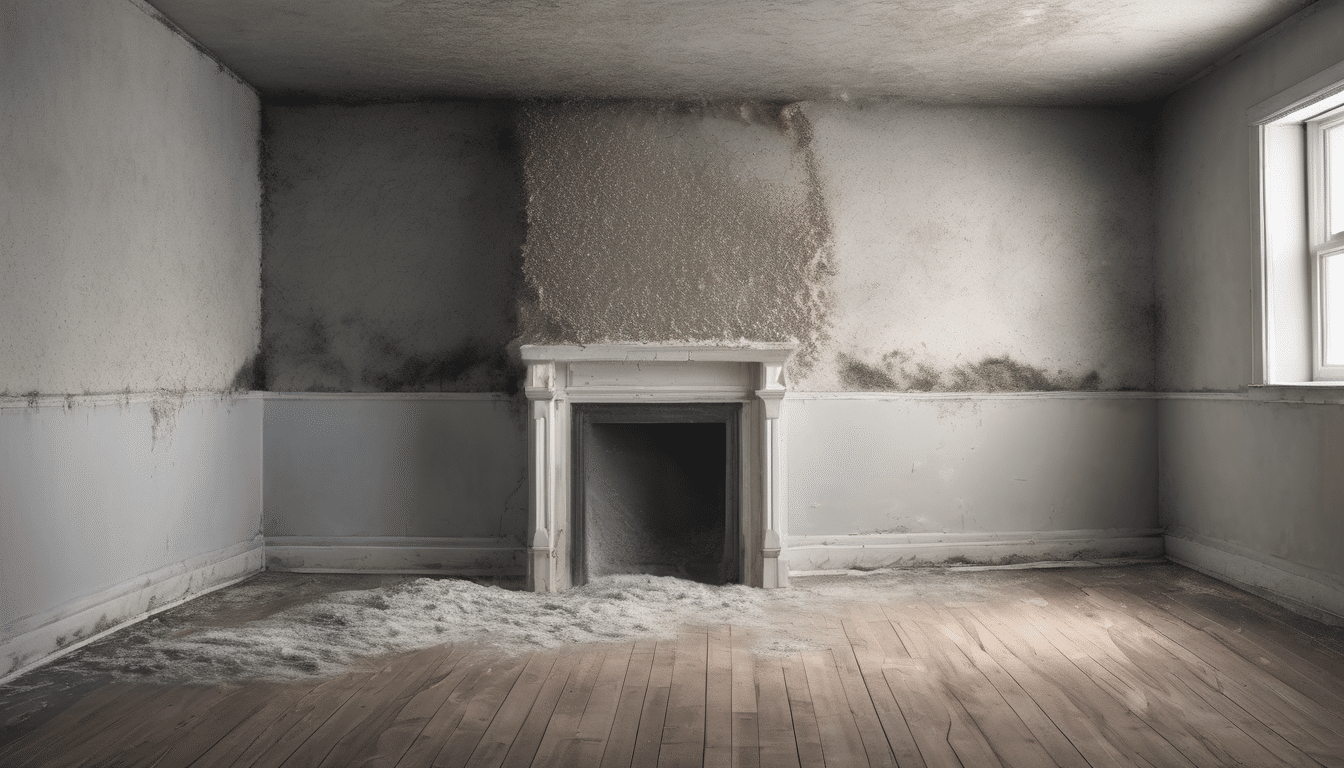
Behind your new walls, hidden dust, mold, and even asbestos can exist as common indoor pollutants that quietly affect your home’s air quality. These contaminants often remain unseen inside wall cavities, beneath flooring, or within HVAC systems. Understanding what may be present behind your new walls is essential for maintaining a healthy, safe indoor living environment and preventing long-term air quality issues.
Why Hidden Dust, Mold, and Asbestos Are Important
Behind your new walls, hidden dust can attract various allergens and irritants, leading to respiratory issues. Mold spores can cause allergic reactions, asthma attacks, and other health problems. Asbestos exposure is linked to severe lung diseases such as mesothelioma.
Common Sources of Hidden Dust, Mold, and Asbestos
These pollutants can stem from a variety of sources, including old building materials, water damage, poor ventilation, and high humidity levels. In new buildings, they may be present due to inadequate construction practices or the use of asbestos-containing products.
Hidden Dust, Mold, and Asbestos in New Buildings
While modern building codes have reduced the likelihood of asbestos exposure, behind your new walls, new buildings can still contain hidden dust and mold. This is particularly true if older materials or practices are used during construction.
Detecting Hidden Dust, Mold, and Asbestos
Proper detection methods include moisture mapping, thermal imaging, borescope inspections, and laboratory testing. Regular maintenance and professional assessments can help identify these hidden threats before they become problematic.
Removing Hidden Dust, Mold, and Asbestos Safely
Safe removal requires containment, negative pressure, and HEPA filtration. It’s crucial to use appropriate personal protective equipment (PPE) and follow industry best practices to prevent cross-contamination.
Preventing Recurrence of Hidden Dust, Mold, and Asbestos
To maintain a healthy indoor environment, focus on moisture control, proper ventilation, and regular inspections. Addressing the root causes can prevent hidden dust, mold, and asbestos from reoccurring.
Expert Tips for Handling Hidden Dust, Mold, and Asbestos
- Use a moisture meter to monitor humidity levels.
- Invest in a high-quality air purifier with HEPA filters.
- Regularly inspect your home’s HVAC system for signs of contamination.
- Seek professional help if you suspect hidden pollutants.
Frequently Asked Questions About Hidden Dust, Mold, and Asbestos
Q1: Can hidden dust cause health issues? Yes, it can attract allergens and irritants that lead to respiratory problems.
Q2: How do I know if there is asbestos in my home? Look for materials installed before the 1980s or consult a professional for testing.
Q3: What are the signs of mold growth behind walls? Signs include musty odors, water stains, and peeling paint.
Conclusion and Final Thoughts
In conclusion, understanding hidden dust, mold, and asbestos is vital for maintaining a healthy indoor environment. Regular inspections, proper maintenance, and professional assessments can help identify these threats before they pose health risks to your family.