
Introduction
Understanding I Detect Mold In My Home’s Walls is essential. Discovering mold in your home’s walls can be alarming, but knowing how to detect it is the first step towards addressing and preventing its growth. This guide provides a thorough understanding of the methods and tools available for identifying hidden mold, ensuring you take proactive steps to maintain indoor air quality.
I Detect Mold In My Home’s Walls: Signs and Symptoms of Mold in Walls
Recognizing the signs of mold is crucial, as visible mold growth may indicate hidden areas where it could be thriving. Common symptoms include musty odors, discoloration on walls or ceilings, and water damage. However, these signs are often not enough to pinpoint exact locations, making further inspection necessary.
I Detect Mold In My Home’s Walls: Visual Inspection for Mold Detection
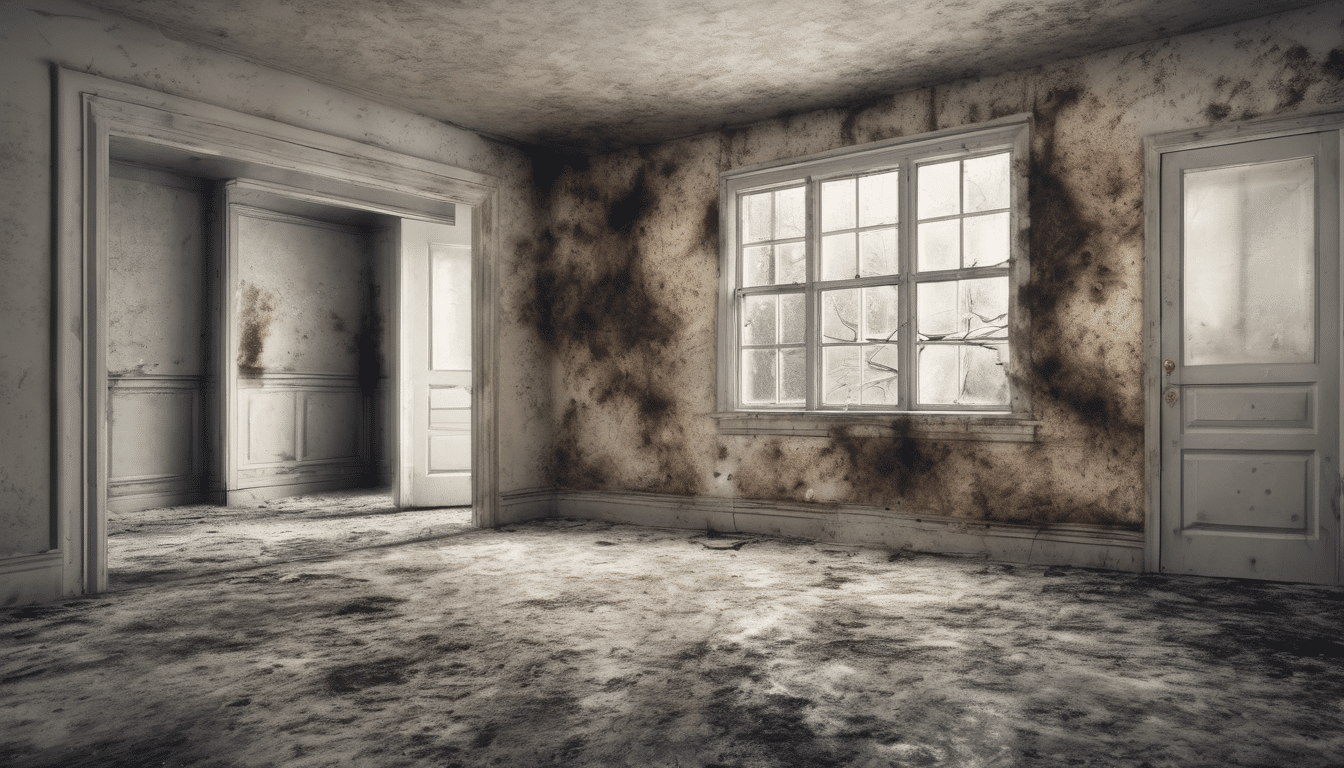
Begin by conducting a thorough visual inspection of your home’s interior. Look for signs such as dark spots or stains that may indicate water damage or mold growth. Pay special attention to areas behind furniture, around windows, and in corners where moisture is more likely to accumulate.
Common Locations
- Behind baseboards and skirting boards
- In wall cavities adjacent to bathrooms or kitchens
- Under floor coverings, especially in damp areas like basements
I Detect Mold In My Home’s Walls – Thermographic Imaging: A Hidden Mold Detective Tool
Thermography involves using infrared cameras to detect temperature differences that may indicate hidden moisture or mold growth. This non-invasive technique can reveal areas of higher moisture content, which are often associated with mold. This relates directly to I Detect Mold In My Home’s Walls.
How It Works
Infrared cameras measure heat signatures and create thermal images. Areas with higher moisture levels will appear cooler than the surrounding environment, making it easier to identify potential mold growth behind walls or under floors.
Borescope Inspections for Detailed Views
For areas that are difficult to access, borescopes can provide detailed views of hidden spaces. These flexible, lighted probes allow you to inspect behind walls and ceilings without causing damage.
Using Borescopes
Connect the borescope to a video monitor for real-time viewing. This tool is particularly useful in areas like wall cavities, where conventional methods may not reveal anything suspicious. When considering I Detect Mold In My Home’s Walls, this becomes clear.
Air Sampling and Spore Trap Analysis
Air sampling involves collecting samples of indoor air to test for mold spores. This method can help identify the presence of mold even when it is not visible.
How to Sample Air
- Place a spore trap in strategic locations throughout your home, especially in areas where you suspect mold growth.
- Follow the manufacturer’s instructions for proper placement and duration of sampling.
- Analyze the collected samples at a certified laboratory to determine the presence and types of mold spores present.
Laboratory Testing: Identifying the Mold Species
Once you suspect mold growth, it is essential to have it tested in a laboratory. This step confirms the presence of mold and identifies the species involved, which can inform appropriate remediation strategies.
Why Lab Testing Matters
Laboratory testing not only verifies the presence of mold but also helps determine the specific types of molds present. Some species may pose greater health risks than others. This information is crucial for developing a targeted remediation plan. The importance of I Detect Mold In My Home’s Walls is evident here.
Humidity Mapping for Moisture Control
Understanding the moisture levels in your home is key to preventing mold growth. Humidity mapping involves using sensors and probes to create a map of moisture distribution throughout your property.
Setting Up Humidity Sensors
- Distribute humidity sensors across different areas of your home, including basements, bathrooms, and kitchens.
- Monitor the data over time to identify trends and pinpoint high-risk areas for mold growth.
Expert Tips for Detecting Mold in Walls
Following expert tips can help you accurately detect hidden mold. Here are some practical recommendations:
- Regular Inspections: Conduct regular visual inspections and use non-invasive tools like thermography to catch potential issues early.
- Hire Professionals: For complex or difficult-to-access areas, consider hiring indoor environmental professionals who have the expertise and equipment needed for thorough mold detection.
- Address Moisture Issues: Identify and address underlying moisture problems to prevent future mold growth. This may involve repairing leaks, improving ventilation, or adjusting HVAC systems.
- Use Multiple Methods: Combine different inspection methods like visual checks, air sampling, and lab testing for the most accurate results.
FAQs on Mold Detection in Walls
- Q: How often should I check for mold?
- A: Conduct regular inspections, especially after significant water damage or during humid seasons. For high-risk areas, consider quarterly checks.
- Q: Can DIY methods be effective?
- A: While DIY methods can help identify obvious signs of mold, professional tools and techniques are necessary for thorough detection in hidden spaces.
- Q: How Do I handle suspected mold growth?
- A: If you suspect mold growth, take photos and document the area. Contact a professional indoor environmental consultant to assess the situation and recommend remediation steps.
Understanding I Detect Mold In My Home’s Walls helps with this aspect.
Conclusion: Ensuring a Healthy Home Environment
Proactively detecting mold in your home’s walls is essential for maintaining good indoor air quality and protecting your family’s health. By understanding the signs, using advanced tools like thermography and lab testing, and addressing underlying moisture issues, you can take control of potential mold problems before they become severe. Understanding I Detect Mold In My Home’s Walls is key to success in this area.