
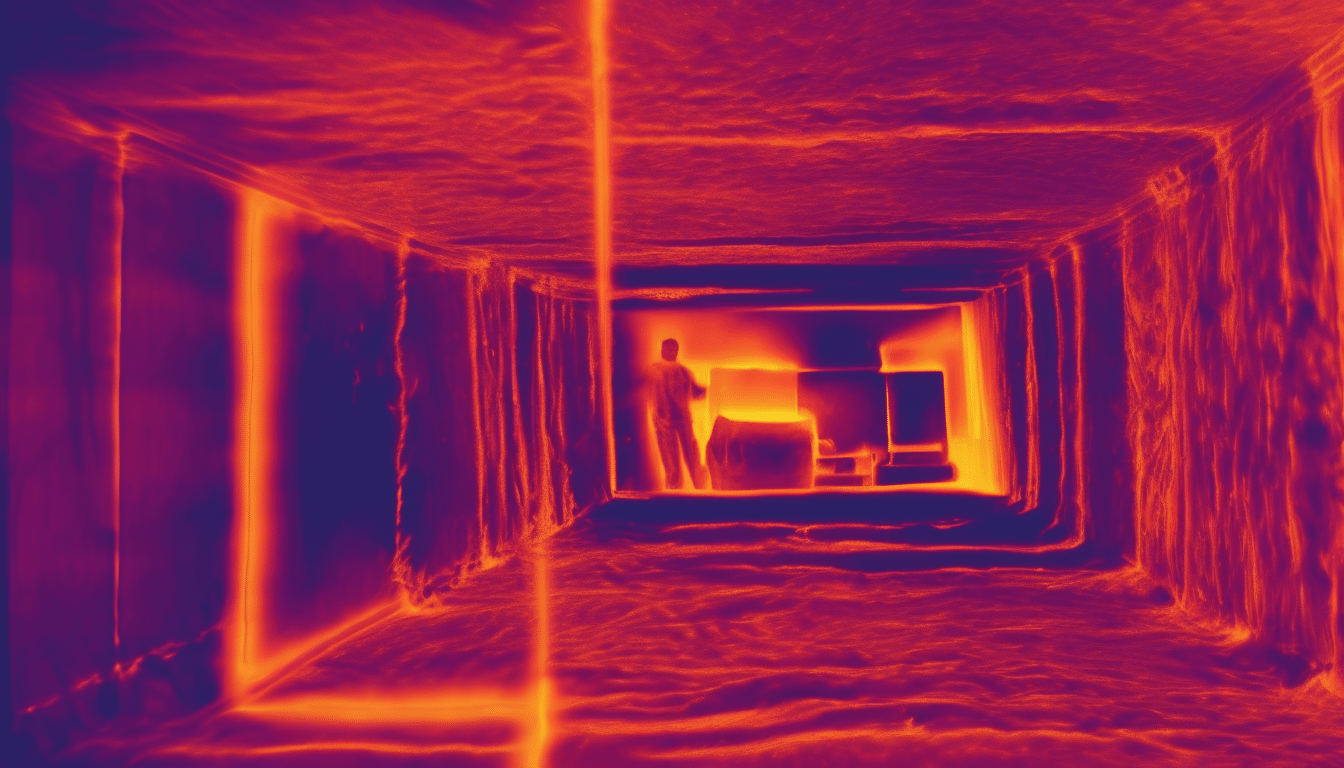
Understanding Thermal Imaging Applications For Hidden Mold Investigations is essential. —
Introduction to Thermal Imaging Applications for Hidden mold Investigations
Thermal imaging is a powerful tool that has revolutionized the way we detect and investigate hidden mold issues. By using thermal imaging cameras, professionals can identify areas of moisture buildup and potential mold growth in buildings that are not visible to the naked eye. This article will explore how thermal imaging works, its applications in hidden mold investigations, and best practices for effectively utilizing this technology. This relates directly to Thermal Imaging Applications For Hidden Mold Investigations.
Thermal Imaging Applications For Hidden Mold Investigations – What is Thermal Imaging?
Thermal imaging involves capturing infrared radiation (heat) emitted by objects within a specific temperature range. These images provide detailed visual representations of temperature variations, allowing professionals to identify areas with higher moisture content that may be conducive to mold growth. The technology works by converting the heat signatures into visible images that can be analyzed for potential issues.
Thermal Imaging Applications For Hidden Mold Investigations – Why Use Thermal Imaging for Mold Detection?
Thermal imaging is particularly useful in hidden mold investigations because it can reveal moisture pockets and temperature variations that may indicate the presence of mold. It offers several advantages over traditional inspection methods:
- Non-invasive: Thermal imaging allows for non-destructive assessments, minimizing damage to structures.
- Precise location: It can pinpoint areas with high moisture content that may be hidden behind walls or in other inaccessible locations.
- Early detection: By identifying moisture hotspots early, it helps prevent mold growth before it becomes a significant problem.
How Does Thermal Imaging Work for Mold Detection?
Thermal imaging works by measuring the temperature of surfaces and objects. Water vapor absorbs heat, causing a cooling effect on adjacent surfaces. Mold thrives in areas with consistent moisture levels, leading to cooler temperatures compared to unaffected areas. By analyzing these thermal patterns, professionals can identify potential mold growth:
- Heat signatures: Cooler spots often indicate high humidity or condensation.
- Moisture mapping: Detailed temperature maps help in identifying moisture hotspots and potential mold sites.
Applications of Thermal Imaging in Hidden Mold Investigations
Thermal imaging can be applied to various parts of a building, including:
- Walls and ceilings: To detect hidden moisture behind walls or beneath ceilings.
- Floors: To identify areas with high humidity that may indicate water intrusion or leaks.
- Air handling units (AHUs): To check for condensation and moisture buildup in HVAC systems.
- Crawl spaces: To assess the condition of insulation and structural components that might be affected by moisture.
Limitations and Challenges with Thermal Imaging
While thermal imaging is a valuable tool, it also has limitations and challenges. These include:
- Ambient temperature: Extreme temperatures can affect the accuracy of readings.
- Misleading hot spots: Some areas may appear cooler due to factors unrelated to moisture, such as shading or air flow patterns.
- False negatives: Thermal imaging cannot confirm the presence of mold but only indicates potential areas for further investigation.
Best Practices for Using Thermal Imaging
To ensure effective use of thermal imaging in hidden mold investigations, follow these best practices:
- Calibrate the camera: Regularly calibrate your thermal imaging equipment to maintain accuracy.
- Combine with other methods: Use thermal imaging alongside other inspection techniques for a comprehensive assessment.
- Document findings: Record all data and observations meticulously for future reference.
Real-World Case Studies of Hidden Mold Investigations
Let’s explore some real-world case studies that highlight the application of thermal imaging in hidden mold investigations:
- High-rise apartment complex: A thermal imaging survey revealed moisture buildup behind walls, leading to a targeted inspection and successful remediation.
- Villa with complex building envelope: The technology helped identify hidden condensation points in skirting boards, preventing future mold growth.
Expert Tips for Effective Mold Detection with Thermal Imaging
To maximize the effectiveness of thermal imaging in hidden mold investigations, consider these expert tips:
- Train staff properly: Ensure that all team members are well-trained and understand how to interpret thermal images.
- Use advanced software: Employ specialized software for analyzing and interpreting the data collected by thermal imaging cameras.
- Follow up with other methods: Use thermal imaging as part of a broader inspection process, including air sampling and surface testing.
FAQ Section: Common Questions About Thermal Imaging for Mold Detection
Q1: Can thermal imaging detect all types of mold?
No, thermal imaging can only indicate areas with high moisture content. It cannot confirm the presence or type of mold but helps in identifying potential problem areas.
Q2: How accurate is thermal imaging for hidden mold detection?
Thermal imaging is highly effective when used correctly. However, it should be combined with other inspection methods to ensure comprehensive coverage and accuracy. When considering Thermal Imaging Applications For Hidden Mold Investigations, this becomes clear.
Q3: Are there any costs associated with using thermal imaging cameras?
While initial investment in thermal imaging equipment can be significant, the long-term benefits often outweigh the costs, especially for complex buildings requiring frequent inspections.
Conclusion: The Role of Thermal Imaging in Hidden Mold Investigations
In conclusion, thermal imaging is a valuable tool for hidden mold investigations. By providing detailed temperature data and revealing moisture pockets that may indicate potential mold growth, it helps professionals make informed decisions about remediation strategies. However, it should be used in conjunction with other methods to ensure comprehensive coverage and accurate results.
—
—
—
