
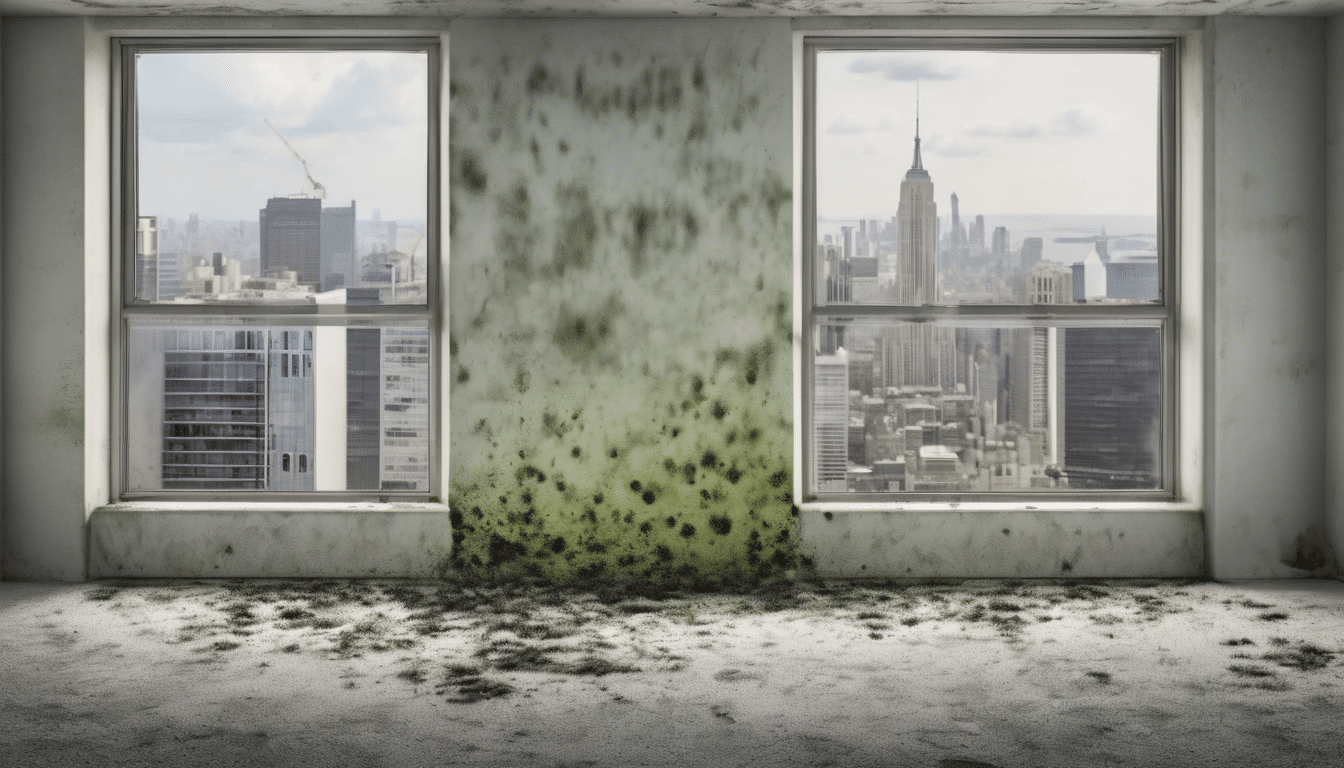
Mold Growth Signs You Might Miss In High-rise Apartments – Hidden Mold Detection in High-Rise Apartments
High-rise apartments present unique challenges for mold detection due to their sealed environments and complex building systems. Hidden mold growth can occur behind walls, under floors, or within HVAC systems, making it difficult to identify without proper investigation techniques. This relates directly to Mold Growth Signs You Might Miss In High-rise Apartments.
—H3—
Damp Spots and Leakage
One of the most common signs of hidden mold is the presence of damp spots or water stains. These areas often indicate recent or ongoing water intrusion, which can lead to mold growth behind walls or in ceilings. However, these spots are not always visible from the exterior. Regularly inspecting walls and ceilings for any discoloration or moisture accumulation can help identify potential problem areas.
—H3—
Hidden Humidities
High humidity levels in high-rise apartments can create ideal conditions for mold growth, even if no visible water damage is present. High humidity can occur due to poor ventilation, faulty HVAC systems, or water leaks that are not immediately obvious. Using hygrometers and moisture meters can help detect hidden humidities that may indicate the presence of mold.
—H3—
Unusual Odor
An unpleasant musty odor is a strong indicator of hidden mold growth, especially if it persists in areas where no visible signs are present. This odor can be detected through regular air sampling and the use of thermal imaging cameras to pinpoint areas with elevated moisture levels.
—H2—
Mold Growth Signs You Might Miss In High-rise Apartments – Signs of Mold Growth You Might Miss
Identifying hidden mold growth requires a thorough understanding of the signs that may go unnoticed. Here are some key indicators to watch for:
—H3—
Indoor Air Quality Complaints
Residents experiencing persistent indoor air quality issues, such as coughing, wheezing, or nasal congestion, might be dealing with hidden mold growth. These health symptoms often correlate with the presence of mold spores in the air, making it essential to investigate potential sources.
—H3—
Unusual Noise Patterns
Strange noises or sounds coming from walls, floors, or ceilings could indicate hidden mold growth. In some cases, mold can produce a soft, gurgling sound as it grows in damp areas. By listening carefully and investigating the source of these noises, homeowners might uncover hidden mold.
—H2—
Mold Growth Signs You Might Miss In High-rise Apartments – Environmental Factors Contributing to Mold Growth
Several environmental factors can contribute to mold growth in high-rise apartments. Understanding these conditions is crucial for identifying and addressing the root causes of hidden mold: When considering Mold Growth Signs You Might Miss In High-rise Apartments, this becomes clear.
—H3—
Poor Hygrothermal Control
Poor hygrothermal control, which refers to inadequate moisture management, can lead to hidden mold growth. This includes issues like improper insulation, thermal bridging, and lack of proper ventilation. Regularly monitoring indoor humidity levels and addressing any deficiencies in building envelopes can help prevent mold proliferation.
—H3—
Condensation-Driven Growth
Condensation is a common source of hidden mold growth in high-rise apartments, particularly in areas with poor insulation or inadequate ventilation. Regularly inspecting walls and other surfaces for signs of condensation can help identify potential problem areas before they become major issues.
—H2—
<h2 id="hidden-mold-in-high-rise-apartments-case-study“>Hidden Mold in High-Rise Apartments – Case Study
Consider the case study below to understand how hidden mold growth might be overlooked:
—H3—
The Hidden Mold Incident
A resident in a high-rise apartment reported persistent indoor air quality issues and an unusual musty odor. Initial visual inspections did not reveal any visible signs of water damage or mold. However, further investigation using a moisture meter and thermal imaging camera uncovered hidden humidities behind the walls and under the flooring. Laboratory analysis confirmed active mold growth, leading to targeted remediation efforts.
—H2—
Expert Tips for Detecting Hidden Mold
Here are some expert tips for identifying hidden mold in high-rise apartments:
- Regular Inspection: Conduct regular visual and tactile inspections of walls, ceilings, and floors to identify any signs of moisture or discoloration.
- Moisture Meter Testing: Use a moisture meter to detect hidden humidities that may indicate the presence of mold.
- Thermal Imaging: Utilize thermal imaging cameras to locate areas with elevated moisture levels, which can help pinpoint potential mold growth.
- Air Sampling: Use air sampling techniques to identify the presence of mold spores in the air and determine their source.
—H2—
FAQ: Common Questions About Hidden Mold
Here are answers to some frequently asked questions about hidden mold in high-rise apartments:
- How can I tell if there is hidden mold in my apartment? Regularly inspect for visible signs of moisture, use a moisture meter, and consider air sampling techniques.
- What should I do if I suspect hidden mold growth? Contact an indoor environmental consultant to conduct thorough investigations using advanced detection methods.
- Can I DIY detect hidden mold growth in my apartment? While basic visual inspections can be done, professional methods are recommended for accurate and comprehensive results.
—H2—
Conclusion
Hidden mold growth in high-rise apartments poses significant indoor environmental health risks. By understanding the signs you might miss and employing advanced detection techniques, homeowners and property managers can effectively identify and address potential hidden mold issues before they become major problems. Understanding Mold Growth Signs You Might Miss In High-rise Apartments is key to success in this area.