
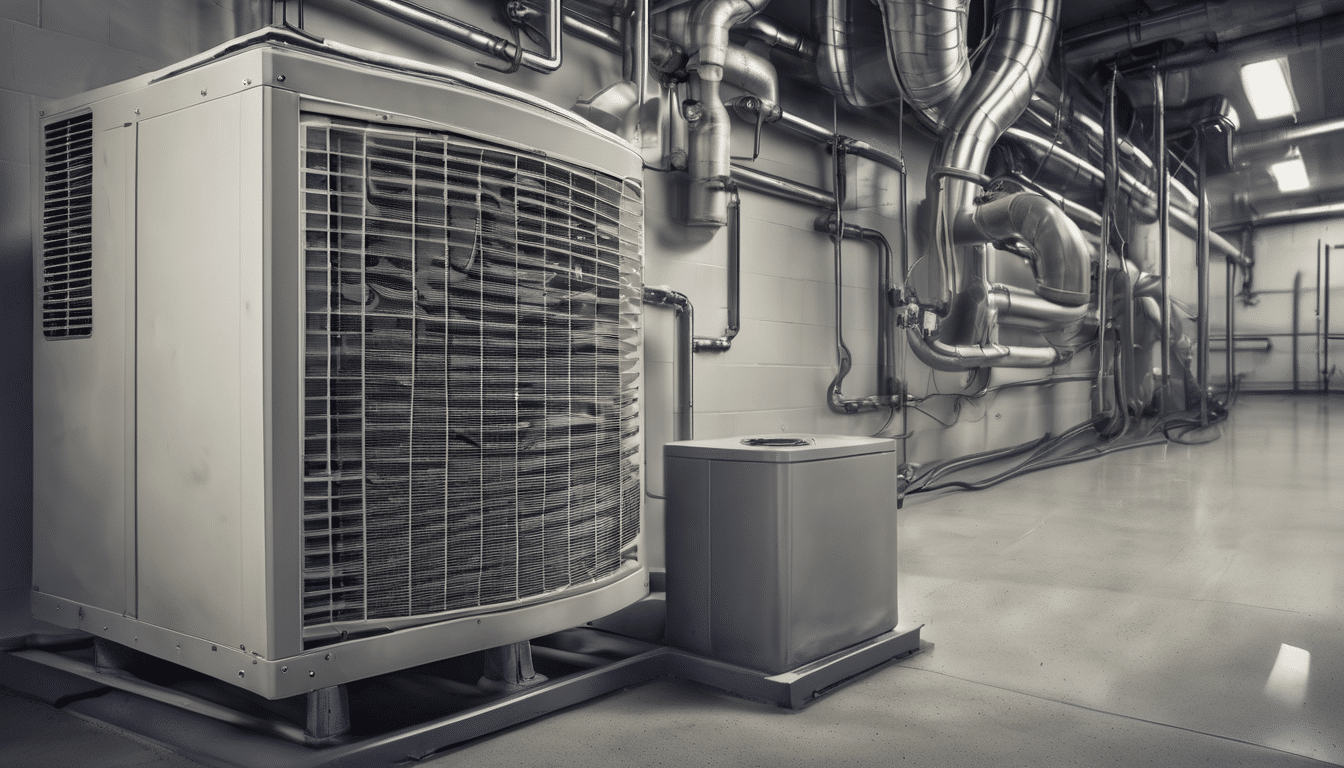
HVAC systems in Dubai’s climate face unique challenges that make regular contamination assessment procedures essential for maintaining indoor air quality and system efficiency. The combination of high humidity, dust storms, and continuous air conditioning operation creates ideal conditions for microbial growth and pollutant accumulation within ventilation systems. Proper HVAC system contamination assessment procedures help identify these issues before they impact occupant health or system performance.
When conducting HVAC system contamination assessment procedures, professionals follow a systematic approach that includes visual inspection, moisture mapping, air and surface sampling, and laboratory analysis. These comprehensive assessment procedures are particularly important in the UAE, where buildings operate air conditioning systems year-round and often experience condensation issues that can lead to microbial contamination. Understanding the complete scope of HVAC system contamination assessment procedures helps property owners make informed decisions about maintenance and remediation needs.
Hvac System Contamination Assessment Procedures – Visual Inspection for HVAC Contamination Assessment
Visual inspection forms the foundation of all HVAC system contamination assessment procedures. This initial assessment phase involves examining all accessible components of the heating, ventilation, and air conditioning system for visible signs of contamination. During this assessment, technicians use specialised lighting and inspection tools to identify dust accumulation, microbial growth, water stains, and debris within ductwork, coils, drain pans, and air handling units.
In Dubai’s environment, visual assessment often reveals specific contamination patterns related to the local climate. Technicians frequently encounter dust and sand accumulation from frequent sandstorms, microbial growth due to high humidity levels, and corrosion from condensation issues. The visual assessment component of HVAC system contamination assessment procedures provides immediate indicators of system conditions and helps determine which areas require more detailed testing and sampling.
Hvac System Contamination Assessment Procedures – Moisture Mapping in HVAC Systems
Moisture mapping represents a critical component of comprehensive HVAC system contamination assessment procedures. This technical assessment method involves using moisture meters, thermal imaging cameras, and humidity sensors to identify areas of excess moisture within the HVAC system. In Dubai’s climate, where high outdoor humidity combines with aggressive air conditioning, moisture problems frequently develop in drain pans, insulation materials, and ductwork surfaces.
Professional moisture assessment during HVAC system contamination assessment procedures helps identify condensation issues, water leaks, and areas prone to microbial growth. Thermal imaging assessment can reveal temperature differentials that indicate moisture problems behind surfaces or within insulation. This assessment data helps technicians understand the moisture dynamics within the system and develop targeted solutions for moisture control as part of the overall contamination assessment strategy.
Hvac System Contamination Assessment Procedures – Air Sampling Techniques for HVAC Assessment
Air sampling provides quantitative data essential for complete HVAC system contamination assessment procedures. This assessment method involves collecting air samples from supply vents, return vents, and within the ductwork to measure airborne contaminant levels. Technicians use spore trap samplers, impingers, and particle counters to assess the types and concentrations of biological and particulate contaminants circulating through the HVAC system.
During HVAC system contamination assessment procedures, air sampling assessment helps establish baseline contamination levels and identify specific pollutants affecting indoor air quality. In Dubai properties, this assessment often reveals elevated levels of dust particles, fungal spores, and bacteria that accumulate in poorly maintained systems. The air sampling component of HVAC system contamination assessment procedures provides objective data that supports remediation decisions and helps verify the effectiveness of cleaning interventions.
Types of Air Sampling Assessment
HVAC system contamination assessment procedures utilise several air sampling methods to gather comprehensive data. Spore trap sampling assessment captures airborne fungal spores on a sticky surface for laboratory identification and quantification. Particle count assessment measures the concentration of particulate matter of various sizes, providing information about dust and allergen levels. Cultural sampling assessment uses agar plates to capture viable microorganisms for species identification.
Surface Sampling of HVAC Components
Surface sampling forms another essential component of thorough HVAC system contamination assessment procedures. This assessment technique involves collecting samples from various HVAC components using tape lifts, swabs, or bulk sampling methods. Surface assessment targets areas where visual inspection indicates potential contamination, including duct interiors, coil surfaces, filter housings, and drain pans.
In HVAC system contamination assessment procedures, surface sampling assessment provides direct evidence of microbial growth and accumulated pollutants. This assessment method helps identify specific contaminant types, determine contamination extent, and guide remediation planning. The surface sampling component of HVAC system contamination assessment procedures is particularly valuable for detecting hidden contamination that might not be apparent through visual inspection alone.
Laboratory Analysis of HVAC Contaminants
Laboratory analysis represents the scientific core of professional HVAC system contamination assessment procedures. This assessment phase involves examining collected samples under microscopy, culturing microorganisms for identification, and performing chemical analysis when necessary. Laboratory assessment provides definitive identification of contaminant types, quantification of contamination levels, and information about potential health implications.
During HVAC system contamination assessment procedures, laboratory assessment transforms field observations into actionable data. Microscopic analysis identifies fungal species and quantifies spore concentrations, while cultural assessment determines viable microbial populations. This scientific assessment component helps technicians understand the nature and severity of HVAC contamination and provides the evidence base for developing appropriate remediation strategies.
Documentation and Reporting for HVAC Assessment
Comprehensive documentation completes the HVAC system contamination assessment procedures by providing a permanent record of findings and recommendations. This assessment component includes detailed reports with photographs, laboratory results, measurement data, and professional recommendations. Proper documentation assessment ensures that all stakeholders understand the contamination status and necessary corrective actions.
In HVAC system contamination assessment procedures, the reporting assessment phase translates technical findings into clear, actionable information for property owners and facility managers. Reports typically include assessment methodologies, findings summary, contamination severity assessment, and prioritized recommendations for remediation and prevention. This documentation serves as a valuable reference for tracking system conditions over time and verifying the effectiveness of remediation efforts.
Expert Tips for Effective HVAC Assessment
Following proper HVAC system contamination assessment procedures requires attention to detail and specialised knowledge. These expert tips can help ensure accurate assessment results and effective contamination management in Dubai’s challenging environment.
- Schedule regular HVAC system contamination assessment procedures annually, particularly before and after the summer season when systems work hardest
- Ensure assessment covers all system components, including hidden areas like duct interiors and coil surfaces
- Use multiple assessment methods rather than relying on visual inspection alone
- Document assessment findings thoroughly with photographs and detailed notes
- Compare indoor and outdoor air samples during assessment to identify system-specific contamination
- Consider seasonal variations in assessment planning, as contamination patterns change with humidity levels
- Follow up assessment with appropriate cleaning and maintenance based on findings
HVAC Contamination Assessment FAQ
How often should HVAC system contamination assessment procedures be performed in Dubai?
Most experts recommend annual HVAC system contamination assessment procedures for residential properties and semi-annual assessment for commercial buildings in Dubai. The intense usage and challenging climate conditions necessitate more frequent assessment than in temperate regions.
What are the typical costs for professional HVAC system contamination assessment procedures?
Comprehensive HVAC system contamination assessment procedures typically range from AED 1,500 to AED 4,000 depending on system size and complexity. This investment in proper assessment helps identify problems early and prevents more expensive remediation costs later.
Can HVAC system contamination assessment procedures identify all types of contaminants?
Professional HVAC system contamination assessment procedures can identify most biological contaminants (mold, bacteria), particulate matter, and some chemical contaminants. However, specialised assessment may be needed for specific pollutants like volatile organic compounds or asbestos.
How long do complete HVAC system contamination assessment procedures take?
A thorough HVAC system contamination assessment typically requires 2-4 hours for initial inspection and sampling, plus additional time for laboratory analysis and reporting. Complex systems or large properties may require longer assessment periods.
Proper HVAC system contamination assessment procedures provide essential information for maintaining healthy indoor environments and efficient system operation. By following systematic assessment protocols, property owners in Dubai can identify contamination issues early, implement appropriate remediation measures, and ensure their HVAC systems contribute to rather than compromise indoor air quality. Regular assessment forms the foundation of effective HVAC maintenance and indoor environmental management.