
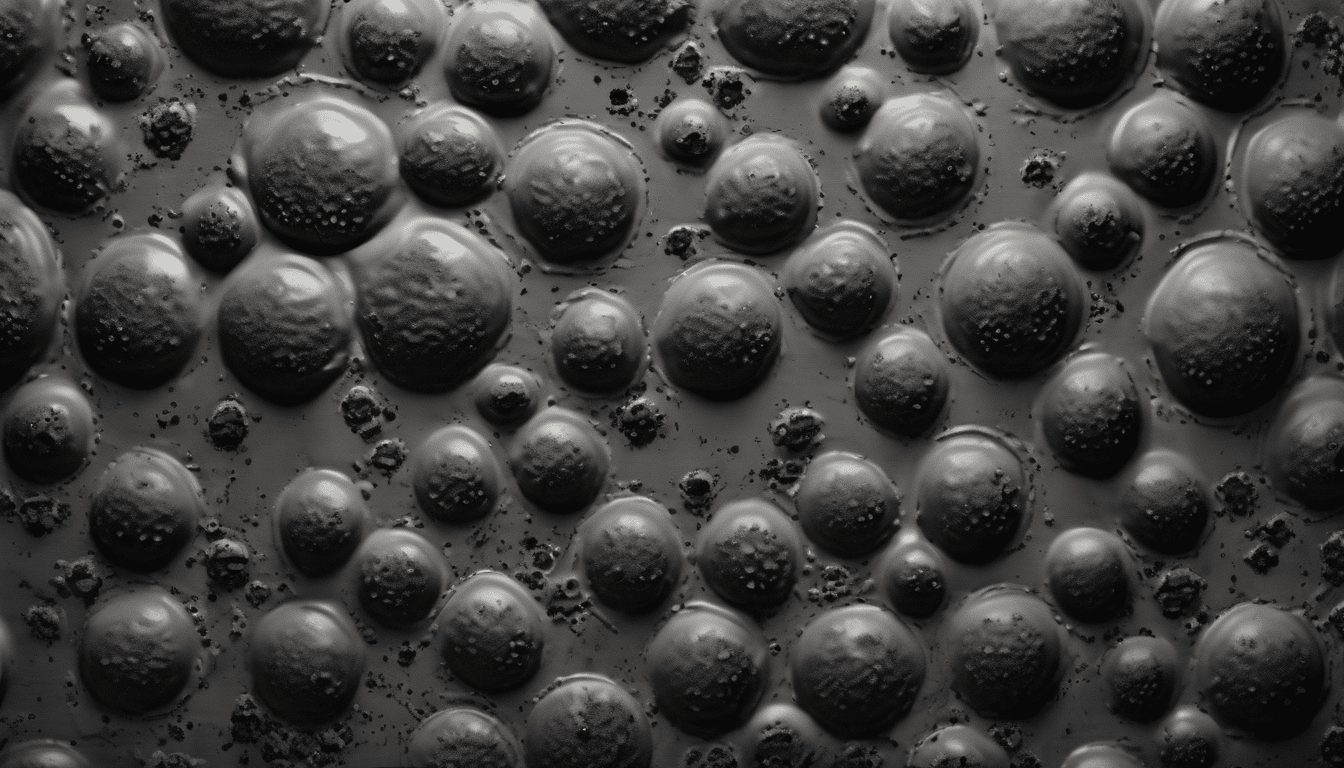
When homeowners in Dubai discover dark, splotchy growth in their bathrooms or behind furniture, panic often sets in. The term “black mold” has become synonymous with immediate health crises and property disasters, fuelled by sensationalised media reports and misinformation spreading across social platforms. However, understanding Black Mold Myths: Separating Facts from Fear requires moving beyond hysteria to examine what science actually reveals about these common indoor fungi.
As an indoor environmental consultant with over two decades of experience investigating mold problems across the UAE, I have witnessed how misconceptions about black mold create unnecessary anxiety whilst simultaneously preventing homeowners from addressing genuine moisture and air quality issues. The reality is far more nuanced than the apocalyptic narratives suggest, yet also more complex than simple dismissal would imply. This relates directly to Black Mold Myths: Separating Facts From Fear.
This comprehensive examination of Black Mold Myths: Separating Facts from Fear will guide you through the scientific evidence, debunk persistent misconceptions, and provide the factual foundation needed to make informed decisions about mold in your Dubai home.
Black Mold Myths: Separating Facts From Fear: What Actually Is “Black Mold”?
The term “black mold” represents one of the most significant misconceptions in indoor environmental health. When homeowners discover dark growth and immediately assume they have encountered the infamous “toxic black mold,” they are making several incorrect assumptions that demonstrate how Black Mold Myths: Separating Facts from Fear requires understanding basic mycology.
Scientifically speaking, there is no single species called “black mold.” The dark appearance that triggers alarm can result from dozens of different fungal species, most of which pose minimal health risks under normal circumstances. These include common indoor fungi such as Aspergillus niger, Cladosporium species, and various Chaetomium species that naturally occur in Dubai’s environment.
Stachybotrys chartarum: The Notorious Species
The species most commonly associated with “toxic black mold” fears is Stachybotrys chartarum, which can produce mycotoxins under specific environmental conditions. However, even this species does not automatically create health emergencies simply by existing in indoor environments.
Laboratory analysis from our Dubai investigations reveals that Stachybotrys represents less than 15% of dark-coloured mold growth found in local properties. The majority of “black mold” samples actually contain species that are ubiquitous in outdoor air and pose minimal risk when present in typical indoor concentrations.
Appearance Does Not Determine Toxicity
Understanding Black Mold Myths: Separating Facts from Fear requires recognising that mold colour provides no reliable indication of species identity or potential health impact. Dark mold growth might be completely harmless Cladosporium, whilst invisible airborne spores from light-coloured species could present greater concerns for sensitive individuals.
Professional identification requires laboratory analysis using microscopy and, where appropriate, DNA sequencing. Visual assessment alone cannot distinguish between potentially concerning and benign fungal growth.
Black Mold Myths: Separating Facts From Fear: Myth: All Black Mold Is Deadly
Perhaps the most pervasive aspect of Black Mold Myths: Separating Facts from Fear involves the assumption that dark-coloured mold represents an immediate threat to human life. This misconception has created a multi-million dirham industry built on anxiety rather than evidence.
Scientific literature contains no documented cases of healthy individuals dying from exposure to Stachybotrys chartarum in typical residential settings. The infant pulmonary haemorrhage cases from Cleveland that sparked initial “toxic black mold” fears were later found to have multiple contributing factors beyond mold exposure, and the proposed causal relationship was not scientifically established.
Mycotoxin Reality Check
Whilst certain mold species can produce mycotoxins—secondary metabolites that may have biological effects—the presence of toxin-producing species does not automatically translate to harmful exposure levels. Mycotoxin production requires specific moisture, temperature, and substrate conditions that may not occur even when visible mold growth is present.
In Dubai’s air-conditioned indoor environments, the conditions favouring significant mycotoxin production are actually less common than in naturally ventilated buildings with fluctuating humidity levels.
Dose Makes the Poison
Toxicology’s fundamental principle applies to mold exposure: the dose makes the poison. Even genuinely toxic substances require sufficient exposure levels to cause health effects. Casual exposure to small amounts of mold growth—even species capable of mycotoxin production—does not create acute poisoning scenarios in healthy individuals.
This principle is crucial when examining Black Mold Myths: Separating Facts from Fear, as it explains why dramatic health claims often lack scientific support whilst acknowledging that significant exposure could potentially cause problems for vulnerable populations.
Black Mold Myths: Separating Facts From Fear – Myth: Black Mold Causes Immediate Illness
Social media and sensationalised news reports have created expectations that mold exposure produces immediate, dramatic health symptoms. This aspect of Black Mold Myths: Separating Facts from Fear demonstrates how anecdotal accounts can overshadow scientific evidence about actual mold health effects.
Legitimate mold-related health problems typically develop gradually and involve allergic or irritant responses rather than acute toxicity. The timeline for symptom development, when it occurs at all, usually spans weeks or months rather than minutes or hours.
Actual Mold Health Mechanisms
Scientific research identifies several pathways through which indoor mold might affect human health, none of which involve immediate toxic collapse:
Allergic sensitisation can develop over time in genetically predisposed individuals, leading to respiratory symptoms when re-exposed to specific mold allergens. This process requires repeated exposure over weeks or months.
Irritant effects from mold spores or volatile organic compounds can cause temporary respiratory or eye irritation in some people, particularly during active disturbance of moldy materials.
Inflammatory responses may occur in individuals with compromised immune systems or pre-existing respiratory conditions, but these represent exacerbation of existing conditions rather than acute poisoning.
Symptom Attribution Challenges
When examining Black Mold Myths: Separating Facts from Fear, it becomes apparent that many symptoms attributed to mold exposure—headaches, fatigue, respiratory irritation—are extremely common and have numerous potential causes in Dubai’s urban environment, including traffic pollution, construction dust, and indoor chemical emissions.
Proper medical evaluation requires considering all potential contributing factors rather than assuming mold causation based solely on its presence in the environment.
Myth: Visible Mold Means Toxic Exposure
The assumption that any visible mold growth automatically creates toxic exposure represents a fundamental misunderstanding of how Black Mold Myths: Separating Facts from Fear should be approached scientifically. This misconception leads to expensive remediation projects for minimal growth that poses negligible health risks.
Mold spores are ubiquitous in both indoor and outdoor environments. Dubai’s outdoor air typically contains 500-2,000 mold spores per cubic metre, representing dozens of different species. Indoor environments naturally contain some level of mold spores from outdoor infiltration, normal human activity, and minor moisture events.
Exposure vs. Contamination
Professional indoor air quality assessment distinguishes between background mold exposure—which is unavoidable and generally harmless—and contamination indicating moisture problems or unusual fungal amplification.
Small areas of surface mold growth, particularly on non-porous materials like bathroom tiles, rarely create elevated airborne spore concentrations. The health relevance depends on factors including growth extent, substrate materials, air circulation patterns, and occupant sensitivity levels.
Spore Release Dynamics
Understanding Black Mold Myths: Separating Facts from Fear requires recognising that visible mold growth does not continuously release spores into breathing zones. Spore liberation typically occurs during physical disturbance, such as cleaning, demolition, or strong air currents.
Undisturbed mold growth on stable surfaces may produce minimal airborne exposure, whilst aggressive cleaning of moldy materials without proper precautions can temporarily elevate exposure levels far above what occurs during normal occupancy.
Myth: Bleach Kills Black Mold Permanently
The belief that bleach provides permanent mold remediation represents another critical aspect of Black Mold Myths: Separating Facts from Fear that demonstrates how simple solutions are often marketed for complex problems requiring systematic approaches.
Whilst bleach can kill surface mold on non-porous materials, it does not address the underlying moisture conditions that enabled mold growth initially. Without correcting humidity sources, air circulation problems, or water intrusion pathways, mold regrowth is virtually inevitable.
Bleach Limitations on Porous Materials
On porous substrates like drywall, wood, or fabric, bleach cannot penetrate deeply enough to eliminate mold growth within the material structure. The surface may appear clean whilst fungal hyphae remain embedded in the substrate, ready to resume visible growth when conditions permit.
Additionally, bleach’s high water content can actually worsen moisture conditions in building materials, potentially accelerating rather than preventing future mold problems.
Chemical Exposure Concerns
Examining Black Mold Myths: Separating Facts from Fear reveals the irony that bleach application in enclosed spaces often creates greater immediate health risks than the mold growth itself. Chlorine gas produced by bleach can cause respiratory irritation, particularly problematic in Dubai’s tightly sealed, air-conditioned buildings.
Professional remediation protocols emphasise moisture control, physical removal of contaminated materials, and source elimination rather than chemical treatment of symptoms.
Real Health Concerns with Indoor Mold
Whilst debunking exaggerated claims, Black Mold Myths: Separating Facts from Fear must also acknowledge legitimate health considerations related to indoor mold growth. The goal is proportional response based on actual risk assessment rather than panic or dismissal.
Individuals with mold allergies, asthma, or compromised immune systems may experience genuine health impacts from elevated indoor mold levels. These responses are typically allergic or inflammatory rather than toxic, but they can significantly affect quality of life and should be taken seriously.
Vulnerable Population Considerations
Certain groups face elevated risks from indoor mold exposure, including infants, elderly individuals, people with chronic lung diseases, and those undergoing chemotherapy or immunosuppressive treatment. For these populations, maintaining lower indoor mold levels represents a reasonable precaution.
However, even for vulnerable individuals, the response should be proportional to the actual contamination level rather than assuming worst-case scenarios based on minimal growth.
Building-Related Illness Factors
Indoor environments with significant mold contamination often have multiple air quality problems, including poor ventilation, chemical emissions, dust accumulation, and humidity imbalances. The health effects attributed to “black mold” may actually result from this combination of factors rather than mold alone.
Understanding Black Mold Myths: Separating Facts from Fear includes recognising that comprehensive indoor environmental assessment addresses all potential contributing factors rather than focusing solely on visible mold growth.
Black Mold Myths: Dubai Climate Reality
Dubai’s unique environmental conditions create specific contexts for understanding Black Mold Myths: Separating Facts from Fear that differ significantly from the North American and European settings where much mold research originated.
The combination of extreme outdoor heat, intensive air conditioning, and rapid construction practices creates moisture dynamics rarely seen in temperate climates. Thermal bridging, condensation patterns, and humidity cycling in Dubai buildings require localised understanding of mold development patterns.
Air Conditioning and Mold Growth
Dubai’s year-round air conditioning creates temperature differentials that can promote condensation in building cavities, HVAC systems, and areas with poor insulation. However, the consistent dehumidification also creates conditions unfavourable for many mold species.
Our laboratory analysis indicates that air-conditioned Dubai homes typically maintain indoor relative humidity below 60%, which limits but does not eliminate mold growth potential. The species that do thrive in these conditions are often different from those creating concerns in naturally ventilated buildings.
Construction Materials and Methods
Modern Dubai construction utilises materials and methods optimised for desert climates, but these can create unique moisture trapping scenarios when building envelope failures occur. Understanding Black Mold Myths: Separating Facts from Fear in this context requires considering how local construction practices influence mold development patterns.
Concrete block construction, external insulation systems, and sealed building envelopes can amplify moisture problems when water intrusion occurs, but they also provide different substrate conditions than the wood-frame construction common in mold research literature.
When Professional Help Is Actually Needed
Navigating Black Mold Myths: Separating Facts from Fear requires understanding when professional intervention provides genuine value versus when homeowner actions suffice for minor mold issues.
Professional mold assessment becomes valuable when growth covers more than one square metre, when it occurs in HVAC systems, when building materials require removal, or when occupants experience persistent health symptoms potentially related to indoor air quality.
Professional Assessment Indicators
Several scenarios warrant professional evaluation rather than DIY approaches:
Hidden mold investigation requires specialised equipment and expertise to locate growth behind walls, under flooring, or within building cavities where moisture problems may be occurring without visible symptoms.
Post-water damage evaluation should involve professionals when flooding, leaks, or other water intrusion events create conditions for widespread contamination that homeowners cannot fully assess.
Health symptom correlation benefits from scientific air sampling and analysis when occupants experience respiratory symptoms that might be related to indoor environmental factors.
Avoiding Unnecessary Services
Understanding Black Mold Myths: Separating Facts from Fear includes recognising when professional services are unnecessary or potentially exploitative. Minor surface mold on bathroom tiles, small areas of growth around windows, or occasional spots on clothing rarely require professional remediation.
Reputable professionals will provide honest assessments of whether their services add value to simple moisture control and surface cleaning for minor mold issues.
Evidence-Based Mold Assessment Approach
Moving beyond Black Mold Myths: Separating Facts from Fear requires establishing systematic approaches to mold assessment based on scientific methodology rather than assumptions or marketing claims.
Proper mold evaluation begins with moisture source identification, proceeds through visual assessment and air quality testing where appropriate, and culminates in targeted correction of underlying problems rather than cosmetic treatment of visible symptoms.
Moisture Detection Priority
Since mold growth requires moisture, effective assessment prioritises identifying and correcting water sources over immediate mold removal. This approach prevents the recurring problems that result from treating symptoms whilst ignoring causes.
Professional moisture detection utilises thermal imaging, moisture metres, and hygrometers to map building conditions that support or inhibit mold development, providing the foundation for lasting solutions.
Laboratory Analysis When Warranted
Air and surface sampling become valuable when visual assessment cannot determine contamination extent, when health concerns require documentation, or when remediation verification is needed following professional treatment.
Understanding Black Mold Myths: Separating Facts from Fear includes recognising that laboratory testing serves specific diagnostic purposes rather than providing pass/fail grades for indoor environments.
Integrated Building Science Approach
Effective mold assessment considers HVAC performance, building envelope integrity, occupant activities, and maintenance practices as interconnected factors influencing indoor fungal ecology.
This comprehensive approach yields lasting improvements in indoor environmental quality rather than temporary fixes that fail to address systematic problems enabling mold development.
The journey through Black Mold Myths: Separating Facts from Fear reveals that most anxiety surrounding indoor mold stems from misinformation rather than genuine health threats. Whilst mold problems deserve attention, particularly for sensitive individuals, the apocalyptic scenarios dominating popular discourse lack scientific foundation.
Effective mold management focuses on moisture control, proportional response to actual contamination levels, and systematic correction of building problems rather than emergency responses to minimal growth. By understanding the science behind mold development and health effects, Dubai homeowners can make informed decisions that protect both family health and financial resources.
The goal is not to dismiss mold concerns entirely, but to replace fear-based reactions with evidence-based responses that address genuine problems whilst avoiding unnecessary anxiety about normal environmental conditions. This balanced approach serves both public health and personal peace of mind far better than the extremes of panic or dismissal that characterise much current mold discourse. Understanding Black Mold Myths: Separating Facts From Fear is key to success in this area.