
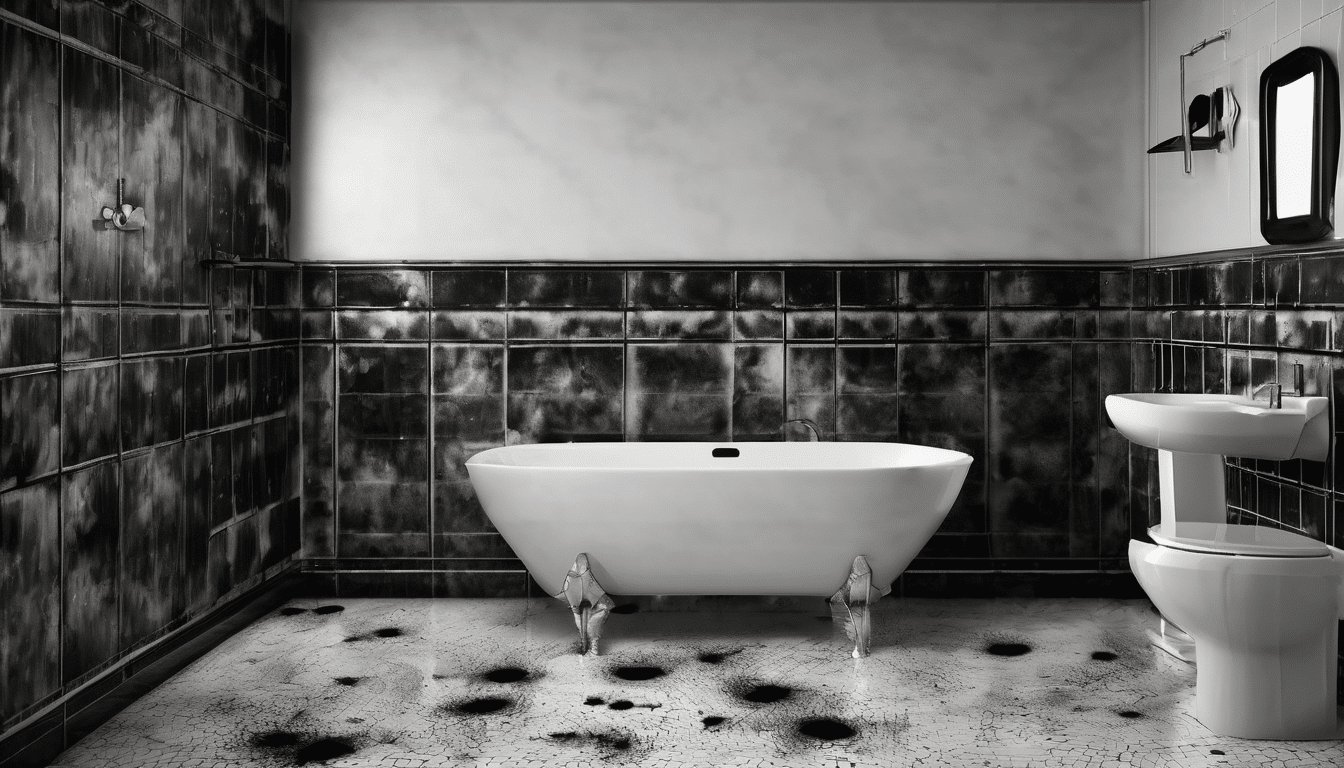
Dubai’s year-round air conditioning and high humidity create perfect conditions for black mold growth in bathrooms. Understanding Black Mold in Dubai bathrooms: detection and prevention is crucial for protecting your family’s health and property value in the UAE’s unique climate.
Black mold, scientifically known as Stachybotrys chartarum, thrives in Dubai’s consistently humid environment where bathroom surfaces remain damp for extended periods. Unlike other mould varieties, black mold produces mycotoxins that can cause severe respiratory problems, neurological symptoms, and immune system suppression when exposure occurs over time. This relates directly to Black Mold In Dubai Bathrooms: Detection And Prevention.
The combination of poor ventilation, thermal bridging from aggressive air conditioning, and inadequate moisture management makes Dubai bathrooms particularly susceptible to black mold colonisation. Professional investigation reveals that most cases develop behind walls, under flooring, or within HVAC systems where visual detection remains impossible until contamination becomes extensive.
Black Mold In Dubai Bathrooms: Detection And Prevention – Understanding Black Mold in Dubai Bathrooms
Black mold in Dubai bathrooms: detection and prevention requires understanding the specific environmental conditions that promote Stachybotrys chartarum growth in UAE residential and commercial properties. This species differs from common bathroom moulds through its distinctive dark green-black appearance and ability to produce toxic secondary metabolites.
Dubai’s climate creates ideal conditions for black mold development through consistent indoor humidity levels between 60-80% during summer months. Air conditioning systems designed for extreme heat often create temperature differentials that promote condensation on bathroom surfaces, particularly around shower enclosures, behind toilet installations, and within wall cavities.
The organism requires cellulose-based materials for nutrition, making paper-faced drywall, wooden bathroom vanities, and organic adhesives perfect food sources. In Dubai construction, these materials are commonly used without adequate moisture barriers, creating hidden growth environments that remain undetected until health symptoms appear.
Identifying Stachybotrys Chartarum Characteristics
Laboratory identification reveals that black mold exhibits specific morphological features distinguishing it from other bathroom contaminants. Fresh colonies appear dark green to black with a slightly fuzzy texture, gradually becoming more slimy as moisture levels increase. The organism produces a distinctive musty, earthy odour that becomes more pronounced in enclosed bathroom spaces.
Microscopic examination shows characteristic conidiophores and spore structures that confirm species identification. Unlike Aspergillus niger or Chaetomium species that also appear black, Stachybotrys produces distinctive trichothecene mycotoxins detectable through air sampling and surface testing protocols.
Black Mold In Dubai Bathrooms: Detection And Prevention – Professional Detection Methods for Black Mold in Dubai Bathr
Effective black mold in Dubai bathrooms: detection and prevention relies on systematic investigation techniques that identify contamination before visible growth appears. Professional detection combines visual inspection, moisture mapping, air sampling, and laboratory analysis to confirm presence and determine remediation scope.
Thermal imaging investigation reveals hidden moisture patterns behind bathroom walls, around plumbing penetrations, and within ceiling cavities where black mold commonly develops. Temperature differentials indicate areas where condensation accumulates, creating microenvironments suitable for Stachybotrys growth even when surfaces appear dry. When considering Black Mold In Dubai Bathrooms: Detection And Prevention, this becomes clear.
Borescope inspection through small access holes allows direct visualisation of wall cavities, under-floor spaces, and behind shower installations without destructive testing. This technique frequently reveals extensive black mold colonisation in areas that show no visible surface contamination.
Air Sampling and Spore Trap Analysis
Air sampling using calibrated pumps and spore trap cassettes quantifies airborne Stachybotrys concentrations in bathroom environments. Samples collected during normal use conditions, after shower activity, and with ventilation systems operating provide comprehensive contamination assessment.
Laboratory analysis identifies spore types, concentrations, and viability through direct microscopic examination and culture techniques. Elevated Stachybotrys levels compared to outdoor reference samples indicate active indoor growth requiring immediate attention.
Surface Sampling for Mycotoxin Detection
Surface sampling using sterile swabs or tape lifts collects material for microscopic analysis and mycotoxin testing. Areas frequently contaminated include grout lines, caulk joints, behind toilet installations, and within shower door tracks where moisture accumulates.
Mycotoxin testing specifically identifies trichothecene compounds produced by Stachybotrys, confirming species presence even when spores are not viable. This testing proves particularly valuable in Dubai bathrooms where cleaning attempts may reduce spore counts while mycotoxin residues persist.
Black Mold In Dubai Bathrooms: Detection And Prevention – Health Risks of Black Mold in Dubai Bathrooms
Black mold in Dubai bathrooms: detection and prevention becomes critical when considering the serious health implications of Stachybotrys chartarum exposure in residential environments. Mycotoxin production by this species creates health risks that extend beyond typical allergic reactions associated with common bathroom moulds.
Respiratory symptoms commonly reported include persistent coughing, wheezing, chest tightness, and difficulty breathing. These symptoms often worsen in the morning after overnight exposure to contaminated bathroom air, particularly when ventilation remains inadequate during sleeping hours.
Neurological effects documented in case studies include memory problems, difficulty concentrating, headaches, and mood changes. Children and elderly residents show particular sensitivity to these effects, with symptoms often dismissed as stress-related until mold contamination is confirmed through testing.
Immune System Suppression
Extended exposure to Stachybotrys mycotoxins can compromise immune function, leading to increased susceptibility to respiratory infections, slower wound healing, and general fatigue. Dubai residents with existing health conditions show particular vulnerability to these immunosuppressive effects. The importance of Black Mold In Dubai Bathrooms: Detection And Prevention is evident here.
Dermatological reactions including skin irritation, rashes, and delayed wound healing frequently occur with direct contact or inhalation exposure. Bathroom activities like showering can increase exposure through disturbed spores and aerosolised mycotoxins.
Prevention Strategies for Black Mold in Dubai Bathrooms
Successful black mold in Dubai bathrooms: detection and prevention requires systematic moisture management, proper ventilation, and regular maintenance protocols designed for UAE climate conditions. Prevention proves more cost-effective than remediation, with typical prevention costs ranging from AED 2,000 to AED 8,000 compared to remediation costs of AED 15,000 to AED 40,000.
Material selection plays a crucial role in prevention strategies. Non-organic alternatives to paper-faced drywall, such as cement board or mould-resistant gypsum products, eliminate food sources necessary for Stachybotrys growth. Proper waterproofing behind shower installations prevents moisture penetration into wall cavities.
Humidity control through properly sized dehumidification systems maintains indoor levels below 50%, creating unfavourable conditions for black mold growth. Integration with HVAC systems allows automated humidity management throughout the year, adapting to seasonal variations in Dubai’s climate.
Surface Treatment and Maintenance
Regular cleaning with appropriate antimicrobial products prevents spore accumulation on bathroom surfaces. However, conventional cleaning products often prove inadequate against established Stachybotrys colonies, requiring professional-grade treatments for effective prevention.
Grout and caulk maintenance prevents moisture infiltration into wall systems where black mold commonly develops. Annual inspection and replacement of deteriorated sealants costs approximately AED 500-1,500 but prevents costly remediation projects.
Moisture Control Systems for Black Mold Prevention
Advanced moisture control represents the most effective approach to black mold in Dubai bathrooms: detection and prevention in UAE residential and commercial properties. Integrated systems combining dehumidification, temperature management, and vapour barriers address root causes rather than symptoms.
Whole-house dehumidification systems designed for Dubai’s climate maintain consistent humidity levels throughout bathroom spaces, preventing conditions necessary for Stachybotrys growth. Quality systems cost between AED 8,000 and AED 25,000 but provide comprehensive protection for entire properties.
Vapour barrier installation behind shower installations and around plumbing penetrations prevents moisture migration into wall cavities. Proper installation requires understanding of building physics and thermal dynamics specific to Dubai’s air-conditioned environments. Understanding Black Mold In Dubai Bathrooms: Detection And Prevention helps with this aspect.
Drainage and Waterproofing Systems
Effective drainage prevents standing water that creates perfect conditions for black mold development. Floor drains, proper slope installation, and waterproof membrane systems ensure moisture removal rather than accumulation.
Waterproofing systems designed for Dubai applications must account for thermal cycling caused by aggressive air conditioning. Flexible membranes and proper detailing prevent failure points where moisture intrusion commonly occurs.
Ventilation Requirements for Dubai Bathroom Environments
Proper ventilation serves as the primary defence against black mold in Dubai bathrooms: detection and prevention through moisture removal, air circulation, and contamination dilution. Dubai’s sealed building environments require mechanical ventilation systems designed for continuous operation.
Exhaust fan capacity should provide minimum 8-10 air changes per hour during bathroom use, with continuous background ventilation maintaining 2-3 air changes during non-use periods. Fans rated below 100 CFM prove inadequate for most Dubai bathroom applications.
Integration with HVAC systems allows coordinated humidity control and temperature management. Smart ventilation controllers automatically adjust operation based on humidity sensors, ensuring optimal conditions without energy waste.
Fresh Air Introduction
Fresh air introduction prevents negative pressure that can draw contaminated air from wall cavities or adjacent spaces. Balanced ventilation systems provide controlled air exchange while maintaining energy efficiency in Dubai’s climate.
Proper ductwork design prevents condensation within ventilation systems that can create secondary mold growth. Insulated ducts and vapour barriers prevent thermal bridging that commonly occurs in air-conditioned environments.
Professional Remediation of Black Mold in Dubai
When prevention fails, professional remediation of black mold in Dubai bathrooms: detection and prevention requires specialised protocols addressing both visible contamination and hidden growth. Dubai remediation costs typically range from AED 15,000 to AED 60,000 depending on contamination extent and property complexity.
Containment protocols prevent cross-contamination during remediation work. Negative pressure systems and HEPA filtration ensure contaminants remain within work areas, protecting uncontaminated portions of properties during removal processes. Black Mold In Dubai Bathrooms: Detection And Prevention factors into this consideration.
Material removal follows specific protocols for mycotoxin-contaminated materials. Porous materials showing contamination require complete removal, while non-porous surfaces can be effectively cleaned using appropriate antimicrobial treatments.
Post-Remediation Verification
Post-remediation verification through air sampling and visual inspection confirms successful mold removal before reoccupation. Independent testing ensures remediation effectiveness and protects property owners from incomplete work.
Clearance criteria specific to Dubai environments account for outdoor spore levels and regional contamination patterns. Successful remediation shows indoor levels below outdoor reference samples with no viable Stachybotrys growth remaining.
Long-term Monitoring and Prevention Protocols
Effective black mold in Dubai bathrooms: detection and prevention requires ongoing monitoring and maintenance protocols that prevent recontamination. Annual inspections cost approximately AED 1,500-3,000 but identify problems before extensive contamination develops.
Humidity monitoring using data loggers tracks environmental conditions over time, identifying seasonal patterns and system failures that create favourable conditions for black mold growth. Smart monitoring systems provide real-time alerts when conditions exceed safe parameters.
Maintenance scheduling for ventilation systems, dehumidifiers, and waterproofing components ensures continued effectiveness of prevention measures. Regular maintenance costs typically range from AED 2,000-5,000 annually but prevents costly remediation projects.
Professional assessment every 2-3 years verifies continued effectiveness of prevention measures and identifies emerging risk factors. Building science evaluation considers changes in use patterns, climate conditions, and system performance over time.
Understanding black mold in Dubai bathrooms: detection and prevention empowers property owners to protect their families’ health and property investments through science-based approaches. Dubai’s unique climate challenges require specialised knowledge and systematic implementation of prevention strategies rather than reactive remediation after problems develop.
Successful black mold prevention combines proper building science, moisture control, adequate ventilation, and ongoing monitoring to create bathroom environments that resist contamination. Investment in prevention proves significantly more cost-effective than remediation while providing superior health protection for occupants.
The complexity of black mold issues in Dubai bathrooms demands professional expertise for accurate detection and effective prevention. Qualified indoor environmental professionals can provide comprehensive assessment and develop customised solutions appropriate for specific property conditions and climate challenges. Understanding Black Mold In Dubai Bathrooms: Detection And Prevention is key to success in this area.