
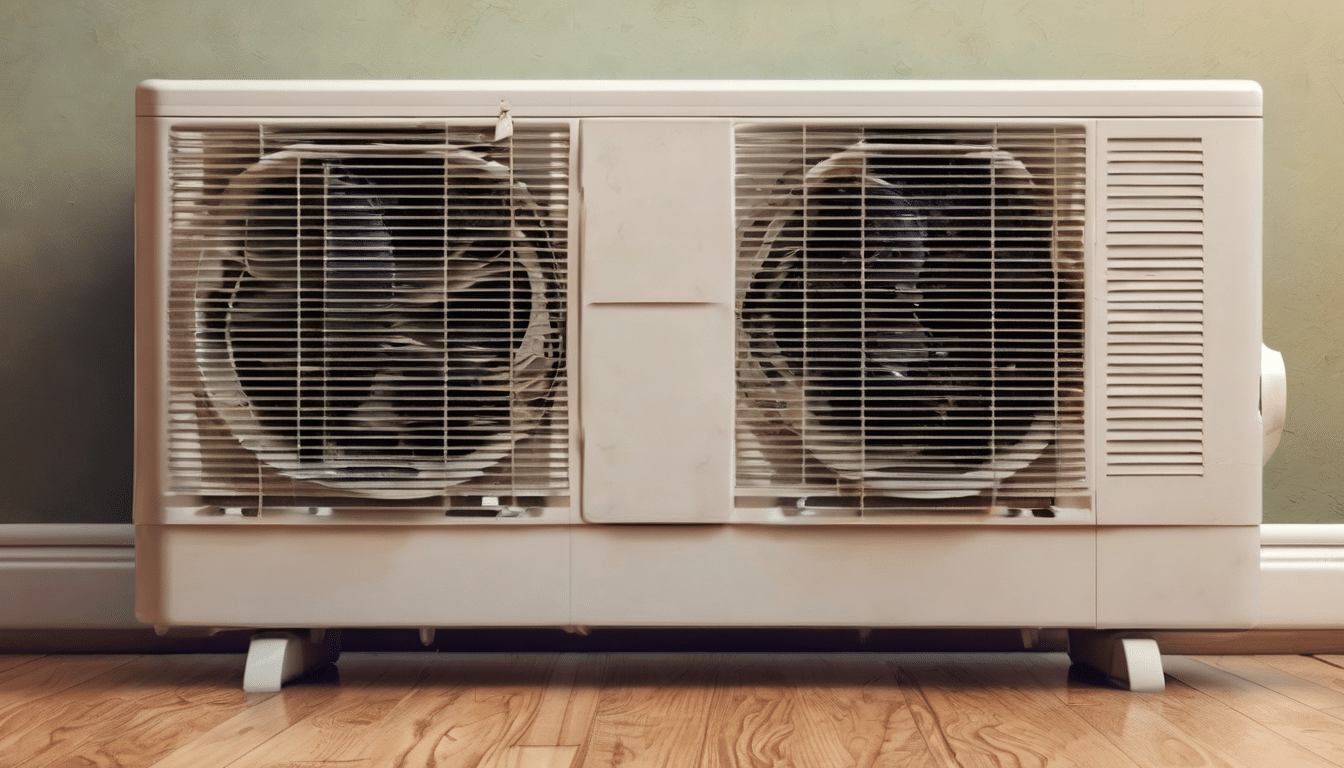
Understanding Musty Smell from Ac Units: Causes And Fixes is essential. If you have ever switched on your air conditioning after a break and been met with a damp, musty odour, you are not alone. Across Dubai, Abu Dhabi, Sharjah, and the wider UAE, this is one of the most common indoor air quality complaints we receive. A musty smell from AC units causes and fixes inquiry lands in our inbox almost daily during the summer months—and for good reason. This region’s climate creates near-perfect conditions for biological contamination inside cooling systems.
The smell itself is not incidental. It is a signal. In most cases, it indicates that mould, mildew, or bacteria have established themselves somewhere within the air conditioning system—on the evaporator coil, in the drain pan, along the ductwork, or within the filter housing. Understanding precisely where and why this contamination develops is the first step toward resolving it properly. Without that understanding, most interventions are temporary at best. This relates directly to Musty Smell From Ac Units: Causes And Fixes.
This article walks through the building science and microbiology behind musty AC odours, identifies the most common sources of contamination in UAE residential and commercial properties, and outlines what a methodical, root-cause-driven solution actually looks like. Whether you are managing a villa in Jumeirah, an apartment in Al Reem Island, or a commercial unit in Sharjah, the mechanisms are largely the same—and so are the solutions. When considering Musty Smell From Ac Units: Causes And Fixes, this becomes clear.
Musty Smell From Ac Units: Causes And Fixes – Why AC Units Produce Musty Smells in the UAE
Air conditioning systems in the UAE do far more than cool air. They also dehumidify it. As warm, humid air passes over the cold evaporator coil, moisture condenses onto the coil surface—much like condensation forms on a cold glass of water. This condensate is designed to drain away through a dedicated pan and pipe. When that drainage process works correctly, the moisture is removed efficiently. The importance of Musty Smell From Ac Units: Causes And Fixes is evident here.
However, when drainage is slow, blocked, or poorly designed, standing water accumulates. That standing water, combined with the organic debris that settles on coil surfaces—dust, skin cells, pollen—creates an ideal growth environment for mould, mildew, and bacteria. In a region where outdoor temperatures regularly exceed 42°C and indoor humidity fluctuates significantly, this cycle accelerates considerably. Understanding Musty Smell From Ac Units: Causes And Fixes helps with this aspect.
The musty smell from AC units causes and fixes discussion always begins here: moisture management failure inside the system. Everything else follows from that foundational point. Musty Smell From Ac Units: Causes And Fixes factors into this consideration.
Musty Smell From Ac Units: Causes And Fixes – Musty Smell from AC Units: Causes Explained
There is rarely a single cause. In our investigations across Dubai and Abu Dhabi properties, we typically find a combination of contributing factors. Understanding each one individually helps prioritise the corrective actions that follow. This relates directly to Musty Smell From Ac Units: Causes And Fixes.
Mould and Mildew on the Evaporator Coil
The evaporator coil is the most common site of biological contamination in split and ducted AC systems. Its cold, damp surface collects airborne particles continuously. Over weeks and months, mould spores land, find moisture, and colonise the coil fins. Once established, every air cycle distributes spores and microbial volatile organic compounds (MVOCs)—the actual source of the musty odour—throughout the living space. When considering Musty Smell From Ac Units: Causes And Fixes, this becomes clear.
Blocked or Overflowing Condensate Drain Pans
Drain pans collect the condensate that drips from the evaporator coil. When the drain line becomes partially or fully blocked—often by algae, dust accumulation, or debris—water backs up. A pan holding even a small volume of stagnant water becomes a significant microbial reservoir within days, particularly in a warm environment. This is a leading cause of musty smell from AC units. The importance of Musty Smell From Ac Units: Causes And Fixes is evident here.
Dirty or Saturated Air Filters
Filters capture airborne particulates before they reach the coil. A dirty filter restricts airflow, reduces cooling efficiency, and—critically—becomes a damp, nutrient-rich surface for mould growth itself. In many UAE homes, filters are changed infrequently, particularly in less-accessible cassette or ceiling units. A contaminated filter actively contributes to the musty odour problem rather than preventing it. Understanding Musty Smell From Ac Units: Causes And Fixes helps with this aspect.
Contaminated Ductwork
In ducted systems, the internal surfaces of supply and return ducts accumulate dust and moisture over time. When relative humidity inside ducts rises—due to insulation failures, duct leakage, or oversized cooling equipment—mould can colonise the duct lining itself. The musty smell from AC units in these cases is particularly pervasive, as it is distributed across every room the ductwork serves. Musty Smell From Ac Units: Causes And Fixes factors into this consideration.
Oversized Cooling Equipment
This is a less obvious but significant cause. An oversized AC unit cools the space too quickly, cycling off before it has had sufficient time to dehumidify the air. The result is a room that feels cool but remains humid—and a coil that is damp but not draining adequately between cycles. Over time, this short-cycling behaviour creates chronic moisture problems that produce musty smell from AC units even in relatively new installations. This relates directly to Musty Smell From Ac Units: Causes And Fixes.
Musty Smell From Ac Units: Causes And Fixes: The Biology Behind the Smell
The musty odour itself is produced by microbial volatile organic compounds—MVOCs—released as metabolic by-products by mould and bacteria during active growth. Common species identified in UAE AC systems include Cladosporium, Penicillium, Aspergillus, and various bacterial biofilms. Each produces a distinct but overlapping set of volatile compounds that the human nose perceives collectively as “musty” or “earthy.” When considering Musty Smell From Ac Units: Causes And Fixes, this becomes clear.
Importantly, the presence of an odour does not indicate the magnitude of contamination. Some highly contaminated systems produce little smell, while smaller colonies in a well-sealed duct can produce a pronounced odour. Laboratory air sampling is the only reliable way to quantify the biological load. Understanding this biology is central to any serious musty smell from AC units causes and fixes analysis. The importance of Musty Smell From Ac Units: Causes And Fixes is evident here.
Musty Smell from AC Units: Fixes That Actually Work
Effective resolution requires working through the system methodically—beginning with the most likely contamination sites and verifying results before closing the investigation. The following sequence reflects our standard diagnostic and remediation approach. Understanding Musty Smell From Ac Units: Causes And Fixes helps with this aspect.
Step 1 — Inspect and Clean the Evaporator Coil
The evaporator coil should be professionally cleaned using a no-rinse or low-residue coil cleaner appropriate for the coil material. Mechanical brushing is sometimes required for heavily fouled surfaces. The coil should be inspected visually and, where possible, with a borescope if it is housed in a sealed unit. Coil cleaning alone resolves the musty smell in a significant proportion of cases, particularly where the problem is recent. Musty Smell From Ac Units: Causes And Fixes factors into this consideration.
Step 2 — Clear and Disinfect the Drain Pan and Line
The drain pan should be emptied, scrubbed, and treated with an appropriate antimicrobial agent. The drain line should be flushed to confirm free-flowing drainage. Where algae or biofilm is present, enzymatic drain treatments applied monthly can prevent reblockage. This step directly addresses the standing water reservoir that enables ongoing biological growth. This relates directly to Musty Smell From Ac Units: Causes And Fixes.
Step 3 — Replace or Clean the Air Filters
If the filters are heavily contaminated, replacement is preferable to cleaning. For HEPA or high-efficiency filters, replacement is standard practice. Filter replacement should coincide with coil and drain cleaning to avoid recontaminating cleaned surfaces immediately after the service. In UAE conditions, filter inspection every four to six weeks is advisable during peak usage periods. When considering Musty Smell From Ac Units: Causes And Fixes, this becomes clear.
Step 4 — Address Ductwork Contamination
If the musty odour persists after coil and drain service, the ductwork should be inspected. A borescope inspection of supply and return ducts can reveal contamination, moisture damage, or collapsed insulation. Where contamination is confirmed, professional duct cleaning using HEPA-filtered negative air machines is required. Surface swab sampling before and after cleaning provides objective confirmation of decontamination effectiveness.
Step 5 — Verify with Air Sampling
In cases where health concerns exist or the contamination is suspected to be extensive, post-remediation air sampling using spore trap cassettes provides laboratory-confirmed evidence that the biological load has returned to acceptable baseline levels. This step transforms a subjective assessment (“it smells better”) into a verifiable scientific outcome.
When Cleaning Is Not Enough
In some cases, the musty smell from AC units returns within days or weeks of a thorough service. This is not a cleaning failure—it is a signal that an underlying building or system condition is sustaining the moisture that enables regrowth. Common root causes we identify in these recurring cases include:
- Inadequate ventilation causing elevated indoor humidity throughout the property
- Building envelope failures—gaps in insulation or vapour barriers—allowing warm humid air to infiltrate around the AC installation
- Incorrect thermostat setpoints causing the unit to short-cycle
- Duct leakage pulling humid return air from unconditioned spaces such as ceiling voids or service corridors
Resolving these conditions requires building science diagnostics, not simply a repeat cleaning. This is where a musty smell from AC units causes and fixes investigation moves beyond basic maintenance into forensic territory.
Musty Smell from AC Units: Prevention Through System Management
Prevention is significantly less expensive than remediation. The following measures, applied consistently, dramatically reduce the risk of biological contamination in UAE AC systems.
Maintain Consistent Thermostat Settings
Keeping indoor temperatures between 22°C and 24°C during occupied periods prevents the extreme temperature differentials that drive condensation. Avoid setting thermostats below 20°C, particularly in coastal properties where outdoor humidity is highest.
Schedule Preventive AC Servicing
A professional AC service every three to four months is appropriate for most UAE residential properties. Servicing should include coil inspection, drain pan cleaning, filter change, and a condensate flow test. Costs for a standard split unit service range from approximately AED 150 to AED 350 per unit, depending on access and service scope.
Use Supplemental Dehumidification Where Needed
In properties with persistent humidity issues—particularly ground-floor apartments, older villas, or buildings near the coast—standalone dehumidifiers can support the AC system during periods of high outdoor humidity. Target indoor relative humidity of 50% or below to discourage biological growth.
Inspect After Extended Periods of Non-Use
Properties left unoccupied during the summer months, or units that have been switched off for extended periods, are particularly vulnerable. Before resuming regular use, the AC system should be inspected and serviced. A musty smell from AC units that have been idle is almost always present and should be investigated before occupants are exposed to continuous airflow from a contaminated system.
Health Implications of a Musty AC in Your Home
The health significance of musty smell from AC units causes and fixes extends beyond comfort. Continuous exposure to airborne mould spores and MVOCs has been associated with upper respiratory irritation, exacerbation of asthma and allergic rhinitis, fatigue, and headaches in susceptible individuals. Children, elderly residents, and those with underlying respiratory or immune conditions are particularly vulnerable.
It is important to note that the presence of a musty odour does not, by itself, confirm a specific health risk—that determination requires laboratory analysis of the species present and a qualified assessment of exposure levels. However, dismissing the smell as merely unpleasant is scientifically unjustified. It warrants investigation.
When to Call for a Professional Assessment
A musty smell from AC units causes and fixes investigation should involve a qualified indoor environmental professional when any of the following apply:
- The odour persists after two or more professional AC servicing sessions
- Occupants report health symptoms that appear to correlate with time spent indoors
- Visible mould growth is present near supply diffusers or on walls adjacent to ducting
- The property has experienced a water leak, flood, or condensate overflow in recent months
- The building is relatively new but the smell appeared shortly after handover
In these situations, basic AC maintenance is unlikely to resolve the problem. A building science investigation—incorporating thermal imaging, humidity mapping, air sampling, and surface swab analysis—is required to identify and address the true source of contamination.
Key Takeaways for UAE Homeowners
The musty smell from AC units causes and fixes discussion ultimately points to one central truth: odour is a symptom, not the problem itself. Understanding what generates that smell—and why the conditions enabling it exist—is what separates a lasting resolution from a temporary fix.
- A musty AC smell is almost always biological in origin—mould, mildew, or bacteria growing within the system
- The evaporator coil, drain pan, filters, and ductwork are the primary contamination sites
- Moisture management failure—not just dirt—is the root cause in the vast majority of cases
- Professional cleaning resolves most cases, but recurring odour requires a deeper building science investigation
- Air sampling provides objective, laboratory-confirmed evidence of contamination and remediation success
- Preventive servicing every three to four months is the most cost-effective strategy in UAE conditions
If the musty smell from AC units in your home has returned after cleaning, or if you have never had the system professionally assessed, a qualified inspection is the appropriate next step. In over 20 years of investigating indoor environments across the UAE, I have rarely encountered a musty AC problem that could not be resolved—but I have encountered many that were made significantly worse by delayed action and cosmetic-only treatments.
The science is clear. The solutions exist. What is required is a methodical, evidence-based approach that treats the system as a whole rather than addressing only what is immediately visible. Understanding Musty Smell From Ac Units: Causes And Fixes is key to success in this area.