
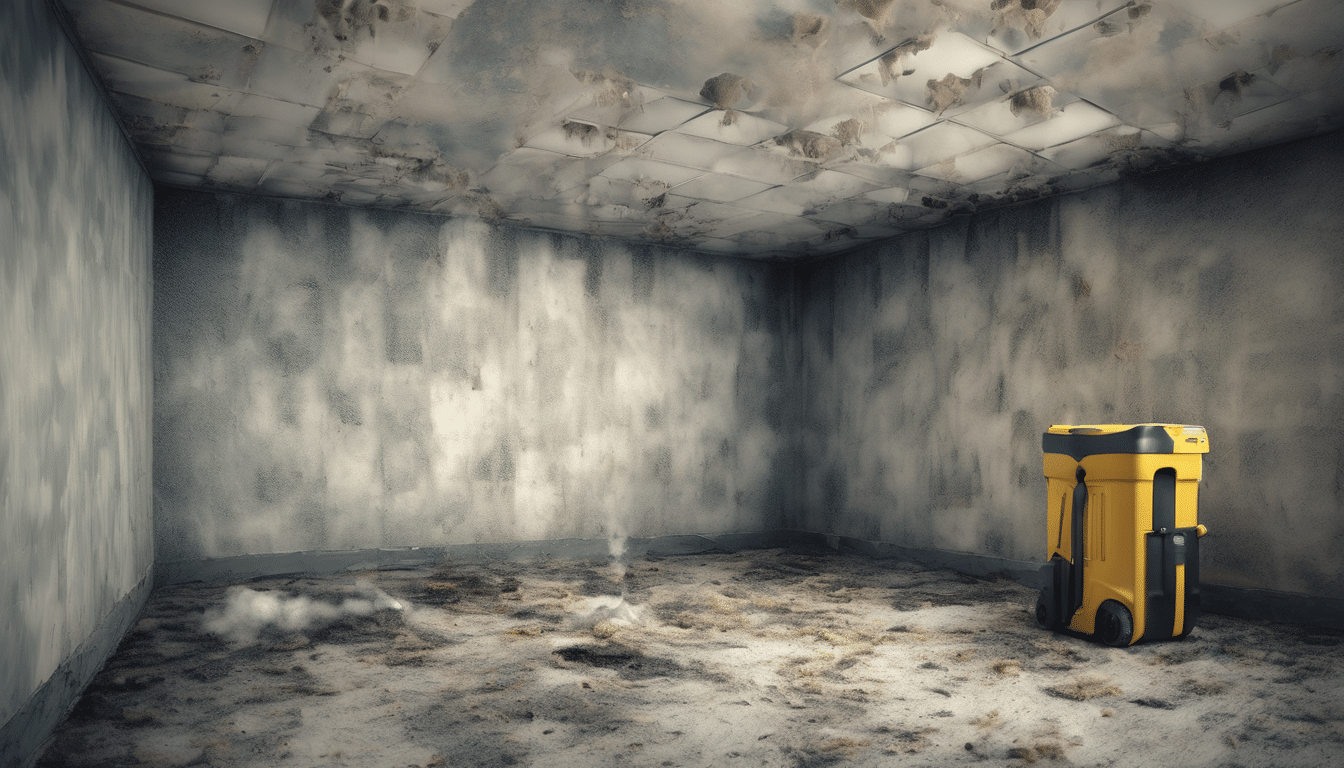
Understanding Contaminant Air Sampling Techniques In Mold Remediation is essential.
Introduction to Air Sampling Techniques in Mold Remediation
Air sampling techniques are critical components of effective mold remediation strategies. They help identify the presence, extent, and concentration of airborne contaminants, ensuring that remediation efforts address the root causes accurately. In this article, we will explore key air sampling techniques used in mold remediation projects, focusing on their practical applications and importance.
Introduction to Air Sampling Techniques in Mold Remediation
Air sampling involves collecting airborne particles from the indoor environment using specialized equipment. These samples are then analyzed in a laboratory to determine the presence of mold spores, bacteria, or other contaminants that may pose health risks. Accurate air sampling is essential for identifying the sources of contamination and developing appropriate remediation plans.
Contaminant Air Sampling Techniques In Mold Remediation – Key Techniques and Methods for Contaminant Air Sampling
There are several key techniques used in air sampling for mold remediation:
1. Spore Trapping: This method involves the use of spore traps, which capture airborne particles on a sticky surface or filter. Spore traps are placed at various points within a building to monitor air quality.
2. Impact Samplers: Impact samplers collect large particles by impacting them onto a collection medium. These samplers are useful for detecting larger mold fragments that may not be present in spore trap samples.
3. Media Impaction: This technique uses a fan to draw air into a sampling device, which contains a collection medium like a membrane filter or tape. The collected particles can then be analyzed for mold spores and other contaminants.
4. Settling Plates: Settling plates are used to capture airborne particles that settle on the surface of agar-laden plates placed in strategic locations within the building. This method is useful for monitoring long-term air quality trends.
Contaminant Air Sampling Techniques In Mold Remediation – Negative Pressure Principles in Mold Remediation
Negative pressure is a fundamental concept in mold remediation, particularly when dealing with contaminated areas that require containment. Negative pressure ensures that air from the contaminated area is not allowed to escape into other parts of the building. This relates directly to Contaminant Air Sampling Techniques In Mold Remediation.
1. Understanding Negative Pressure: Negative pressure occurs when the air pressure inside a room or space is lower than the air pressure outside. This creates a barrier between the contaminated area and the rest of the building, preventing the spread of contaminants.
2. Setting Up a Negative Pressure Room: To properly set up a negative pressure room for mold remediation:
– Seal Off Contaminated Areas: Use heavy-duty plastic sheeting to seal off areas with visible mold growth.
– Install Fans and Air Handling Units: Place fans in the contaminated area that draw air inward, creating negative pressure. These fans should be connected to an HEPA filtration system to ensure clean air is being circulated.
3. Monitoring Pressure Levels: Use a digital barometer or manometer to monitor the pressure differential between the contaminated area and adjacent spaces. A difference of at least 2 inches of water column (WC) is recommended.
HEPA Filtration Systems for Mold Removal Containment
High-Efficiency Particulate Air (HEPA) filtration systems are essential in mold remediation projects to ensure that the air remains clean and safe. These filters can capture particles as small as 0.3 microns, making them highly effective at removing mold spores and other contaminants.
1. Selecting HEPA Filters: Choose HEPA filters with a Minimum Efficiency Reporting Value (MERV) of 17 or higher for maximum effectiveness.
2. Proper Installation: Install HEPA filtration systems in the negative pressure room to ensure that air from the contaminated area is filtered before being released back into the building.
3. Regular Maintenance: Regularly check and replace filters as needed to maintain optimal performance.
Humidity Control During Mold Remediation Projects
Controlling humidity levels is crucial for preventing mold growth during remediation projects. Excessive moisture can lead to the regrowth of mold, even after initial remediation efforts.
1. Using Dehumidifiers and Air Conditioners: Place dehumidifiers in the contaminated area to reduce moisture content. Ensure that air conditioners are running continuously to maintain a consistent indoor temperature.
2. Monitoring Humidity Levels: Use hygrometers to monitor humidity levels in both the remediation site and other parts of the building. Maintain relative humidity below 60% to inhibit mold growth.
3. Drying Surfaces Thoroughly: Dry all affected surfaces thoroughly before beginning remediation work to minimize moisture that could contribute to regrowth.
Read more: HEPA Filtration Systems For Mold Removal Containment
Case Study: Negative Pressure Room Properly Set Up for Mold Removal Without Air Sampling Errors
A recent case study in Dubai highlighted the importance of proper negative pressure setup and air sampling techniques. The building, a multi-story commercial property, had experienced repeated mold issues despite previous attempts at remediation.
1. Initial Assessment: Upon investigation, it was found that previous efforts lacked thorough air sampling and proper containment.
2. New Approach: A new plan was implemented, focusing on setting up a negative pressure room with HEPA filtration and regular air sampling.
3. Results: Post-remediation testing using spore traps showed a significant reduction in airborne mold spores. Follow-up inspections over several months confirmed that the remediation efforts were successful. When considering Contaminant Air Sampling Techniques In Mold Remediation, this becomes clear.
Expert Tips on Contaminant Air Sampling Techniques in Mold Remediation
To ensure accurate and effective air sampling, consider these expert tips:
1. Use Accredited Laboratories: Send samples to laboratories accredited by organizations like ISO or AARST for reliable analysis.
2. Regular Sampling During Remediation: Conduct regular air sampling throughout the remediation process to monitor progress and make adjustments as needed.
3. Follow Standard Protocols: Adhere to established guidelines such as those provided by the American Conference of Governmental Industrial Hygienists (ACGIH) or International Organization for Standardization (ISO).
Frequently Asked Questions About Air Sampling in Mold Remediation
1. How Often Should Air Samples Be Taken?
– Air samples should be taken at the beginning, during, and after remediation to ensure accurate monitoring of progress.
2. What Are Common Mistakes in Air Sampling?
– Common mistakes include improper setup of sampling equipment, not following standard protocols, and failing to document results accurately.
3. Can DIY Air Sampling Be Accurate?
– While DIY air sampling can provide a general idea of air quality, professional techniques and equipment are recommended for accurate analysis.
Conclusion: The Importance of Accurate Air Sampling for Effective Mold Remediation
Accurate air sampling is crucial in mold remediation projects to ensure that all contaminated areas are properly identified and addressed. By understanding key techniques, following best practices, and utilizing proper containment methods like negative pressure rooms and HEPA filtration systems, professionals can achieve successful outcomes.