
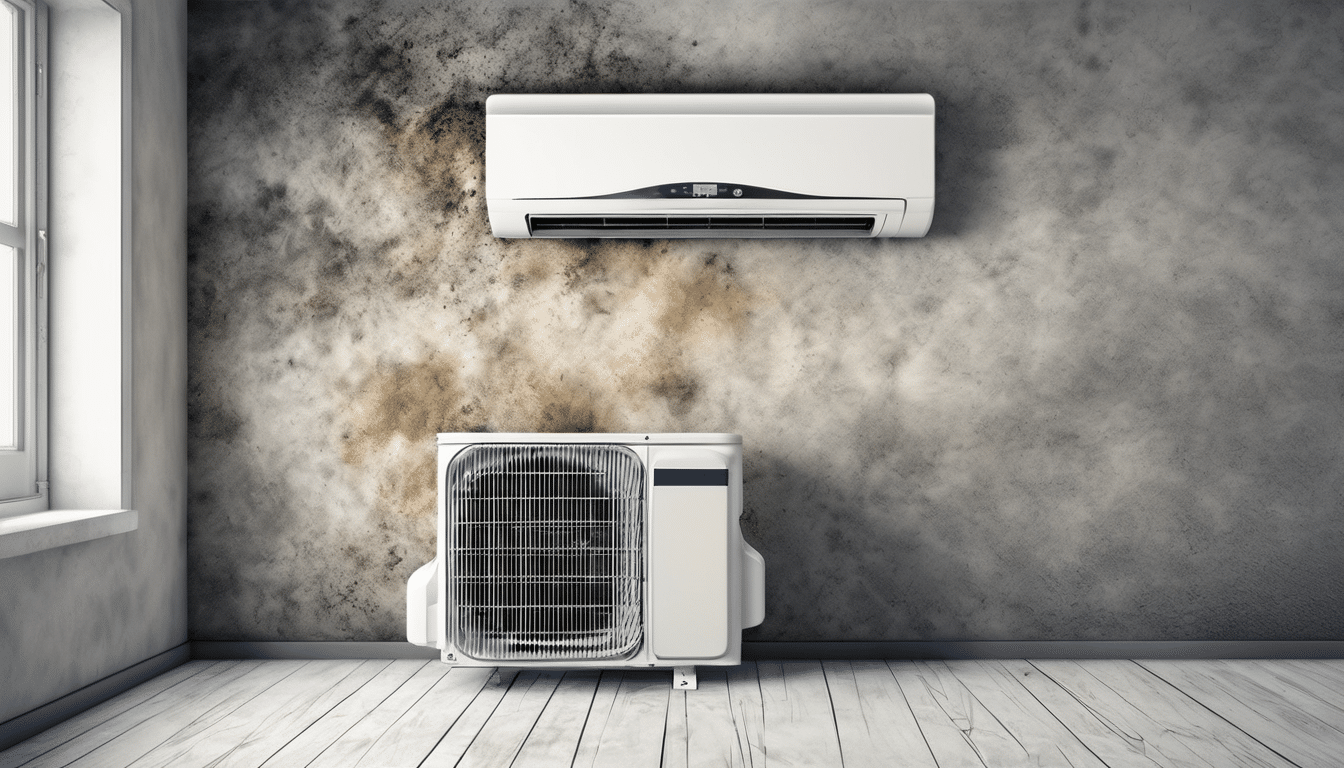
Understanding What to do with incorrectly installed HVAC system causing mold?
When an HVAC (Heating, Ventilation, and Air Conditioning) system is improperly installed, it can lead to a host of indoor environmental issues, including the growth of mold. Mold thrives in warm, damp environments—precisely where poorly installed HVAC systems often fail to maintain optimal temperature and humidity levels.
This guide will walk you through understanding the root causes of incorrectly installed HVAC systems that contribute to HVAC system causing mold growth, as well as providing a comprehensive action plan for remediation. Whether you’re a homeowner in Dubai or Abu Dhabi, this article offers valuable insights into how to tackle this problem effectively.
What To Do With Incorrectly Installed HVAC System Causing Mold – Identifying the Root Causes of Incorrectly Installed HVAC System
Incorrect installation can occur due to various factors, including improper design, lack of proper materials, or inadequate maintenance. Common issues include poor ductwork connections, insufficient insulation, and inadequate ventilation. These problems lead to temperature imbalances and moisture accumulation, creating ideal conditions for mold growth.
In Dubai’s hot and humid climate, it’s crucial to ensure that HVAC systems are correctly installed to prevent such issues. A well-designed system should maintain consistent temperatures across the building while minimizing humidity levels. By identifying these root causes, you can take appropriate steps to address them before mold becomes a significant problem.
What To Do With Incorrectly Installed HVAC System Causing Mold – Diagnosing Mold Growth Due to Improper HVAC Installation
Once you’ve identified that your HVAC system is improperly installed and contributing to mold growth, the next step is to diagnose where and how much mold has grown. This involves a thorough inspection of your home or building’s indoor environment.
Begin by conducting a visual inspection of areas prone to moisture accumulation such as basements, attics, bathrooms, and kitchens. Look for signs of water damage, discolored walls, and musty odors. Use thermal imaging cameras to detect hidden moisture behind walls and ceilings, which can be indicative of mold growth.
For a more detailed assessment, engage the services of an indoor environmental consultant who can perform air quality tests and surface sampling for mold identification. These diagnostics are essential in pinpointing the extent of mold contamination and formulating an effective remediation plan.
Securing Professional Assistance for HVAC and Mold Remediation
When dealing with improperly installed HVAC systems that have led to mold growth, it’s crucial to seek professional assistance. An indoor environmental consultant can provide the necessary expertise to address both the HVAC system issues and the mold remediation needs. This relates directly to What To Do With Incorrectly Installed HVAC System Causing Mold.
Select a reputable company like Saniservice, which offers a full range of services including indoor air quality testing, building diagnostics, and mold remediation. They have the knowledge and tools to identify hidden mold growth and recommend appropriate solutions for your specific situation.
During this process, ensure that professionals adhere to industry best practices such as proper containment procedures to prevent cross-contamination, use of high-efficiency particulate air (HEPA) filters, and the application of antimicrobial treatments where necessary. This approach ensures a thorough and effective resolution to both HVAC installation problems and mold remediation.
Creating a Comprehensive Plan of Action for Proper HVAC System Installation
To prevent future issues with improperly installed HVAC systems, it’s essential to create a comprehensive plan of action. This should include the following steps:
- Consult with an HVAC professional: Ensure that the installation is done by certified technicians who understand local climate conditions and building codes.
- Inspect ductwork connections: Verify that all ducts are properly sealed to prevent air leaks, which can lead to uneven temperature distribution.
- Add proper insulation: Insulate the HVAC system and its components to maintain optimal temperatures throughout your home or building.
- Increase ventilation: Enhance natural and mechanical ventilation to reduce moisture levels in areas prone to high humidity.
By addressing these key areas, you can significantly improve the performance of your HVAC system, reducing the risk of mold growth and other indoor environmental issues. When considering What To Do With Incorrectly Installed HVAC System Causing Mold, this becomes clear.
Implementing the Recommended Mold Remediation Strategies
The remediation process for mold caused by improperly installed HVAC systems should be meticulous to ensure complete removal. Follow these steps:
- Remove contaminated materials: Carefully remove any visibly moldy or water-damaged materials, such as insulation, drywall, and flooring.
- Disinfect surfaces: Use a solution of water and detergent to clean all affected areas. For severe cases, use a commercial disinfectant or biocide recommended by an indoor environmental consultant.
- Dry thoroughly: Utilize dehumidifiers and fans to dry out the area completely, preventing mold regrowth. Ensure that all moisture content is reduced to below 60% relative humidity.
- Replace damaged components: If necessary, replace any HVAC system parts or materials that were affected by water damage.
By following these steps, you can effectively remediate the mold and restore a healthy indoor environment. Regular maintenance and monitoring are essential to prevent recurrence of the issue.
Long-Term Maintenance and Monitoring to Prevent Future Issues
To ensure that your HVAC system remains effective in preventing mold growth, implement long-term maintenance practices:
- Regular inspections: Schedule annual or bi-annual inspections with a qualified HVAC technician to identify potential issues early.
- Cleaning and servicing: Clean the filters regularly and have your system professionally serviced at least twice a year.
- Moisture control: Monitor humidity levels in high-risk areas using hygrometers. Use dehumidifiers or air conditioners as needed to maintain optimal conditions.
By maintaining a proactive approach, you can significantly reduce the likelihood of mold growth and other indoor environmental issues caused by improperly installed HVAC systems.
Expert Tips for Successful HVAC and Mold Remediation
To achieve successful results in remedying incorrectly installed HVAC systems that have led to mold growth, consider these expert tips:
- Ensure thorough containment: Use negative pressure techniques during the remediation process to prevent spore dispersal.
- Select appropriate antimicrobial agents: Consult with an indoor environmental professional to choose the right products for your specific mold species and environment.
- Verify effectiveness through testing: Conduct post-remediation air quality tests and surface sampling to confirm that all mold has been effectively removed.
By following these tips, you can ensure a thorough and effective remediation process, leading to long-term success in preventing mold growth due to improperly installed HVAC systems.
Frequently Asked Questions (FAQs)
Q: How do I know if my HVAC system is improperly installed?
A: Signs of improper installation include temperature imbalances, high humidity levels, and visible water damage. Conduct a thorough inspection or consult with an indoor environmental consultant.
Q: Can DIY methods effectively address mold growth caused by incorrectly installed HVAC systems?
A: While DIY methods can be helpful for minor issues, comprehensive remediation often requires professional expertise to ensure complete removal and prevent recurrence. Engage a qualified expert for complex situations.
Conclusion
Addressing mold growth caused by incorrectly installed HVAC systems is crucial for maintaining a healthy indoor environment. By understanding the root causes, diagnosing the issue thoroughly, securing professional assistance, and implementing comprehensive remediation strategies, you can effectively resolve this problem.
Maintaining long-term monitoring and proper maintenance practices will help prevent future issues, ensuring that your home or building remains free from mold and other indoor environmental hazards. For expert guidance in Dubai, UAE, contact Saniservice for reliable and effective solutions.