
Introduction
Understanding Mold Growth Causes Due To Incorrectly Installed HVAC is essential. Mold growth in buildings is a significant concern for homeowners, property managers, and facility managers alike. One common culprit behind this problem is an incorrectly installed HVAC (Heating, Ventilation, and Air Conditioning) system. In this article, we will explore the various causes of mold growth due to improperly installed HVAC systems and provide actionable insights on how to address these issues.
Mold Growth Causes Due To Incorrectly Installed HVAC – Causes of Mold Growth Due to Incorrectly Installed HVAC System
Mold thrives in environments where moisture and poor air circulation are present. When HVAC systems are not properly installed, they can create these conditions, leading to mold growth. This relates directly to Mold Growth Causes Due To Incorrectly Installed HVAC.
- Improper Ductwork Installation: Inadequate ductwork installation can cause air leaks, resulting in uneven temperature distribution and excess moisture accumulation in certain areas of the building. This creates ideal conditions for mold spores to germinate.
- Inadequate Ventilation: HVAC systems that are not properly sized or located can lead to inadequate ventilation. Poorly ventilated spaces become more susceptible to moisture buildup, promoting mold growth.
- Water Leaks and Dampness: Incorrect installation may result in water leaks from the system itself or from nearby sources. These leaks create a continuous source of moisture that supports mold proliferation.
Mold Growth Causes Due To Incorrectly Installed HVAC – Signs of Incorrectly Installed HVAC Causing Mold Growth
Detecting mold growth due to an incorrectly installed HVAC system can be challenging, but there are several signs to look out for: When considering Mold Growth Causes Due To Incorrectly Installed HVAC, this becomes clear.
- Musty Odor: A musty smell in certain areas of the building may indicate hidden mold growth.
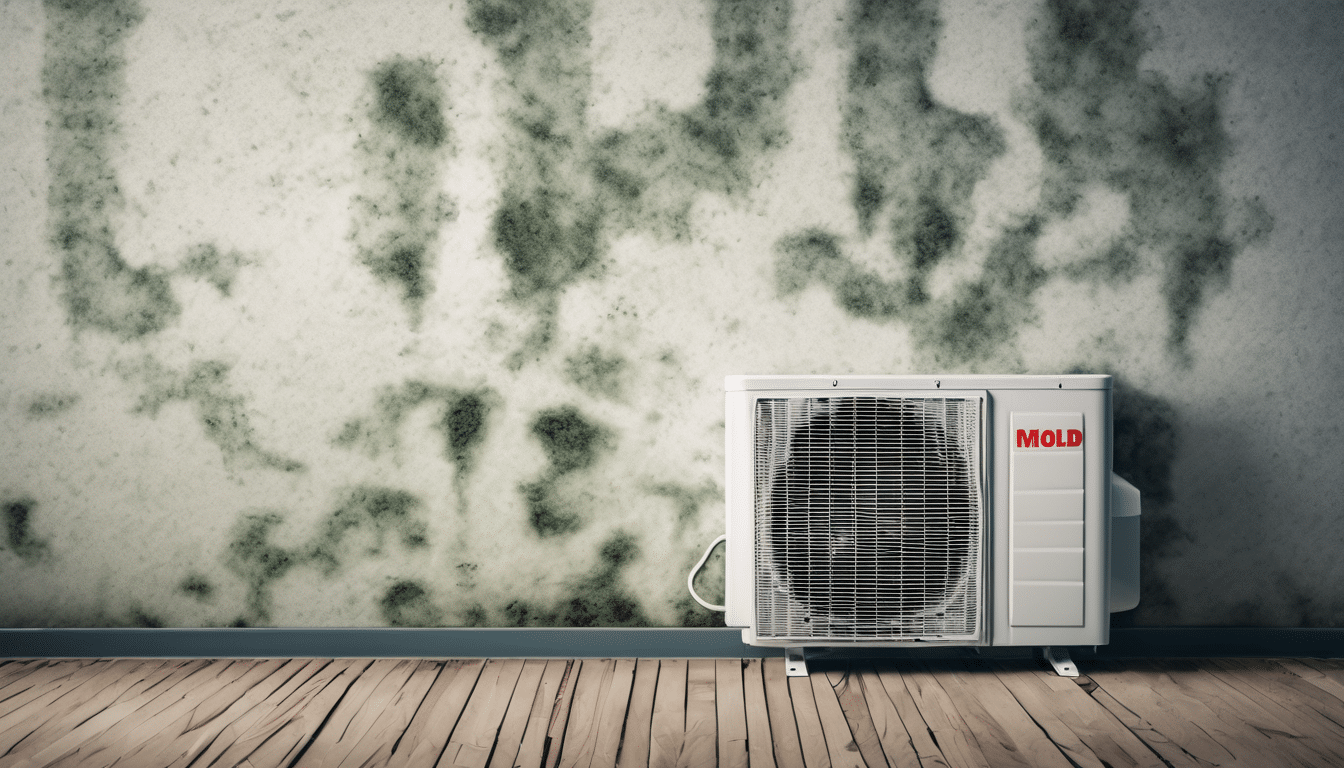
- Visible Mold Growth: Inspecting walls, ceilings, and HVAC components can reveal visible mold colonies. This is often a clear sign that there are underlying issues with the HVAC system.
- Water Damage Signs: Water stains or dampness on surfaces may indicate areas where moisture has accumulated due to poor HVAC installation.
Mold Growth Causes Due To Incorrectly Installed HVAC – Ventilation System Design Best Practices for Mold Prevention
To prevent mold growth, it is crucial to design and install ventilation systems that ensure proper air circulation and moisture management. Key considerations include: The importance of Mold Growth Causes Due To Incorrectly Installed HVAC is evident here.
- Proper Ductwork Layout: Ensure that ductwork is installed with minimal bends and turns to minimize air resistance and reduce the likelihood of air leaks.
- Correct Sizing and Placement: Properly size and position the HVAC system to ensure balanced airflow throughout the building. This reduces the risk of moisture accumulation in specific areas.
- Regular Maintenance: Regular cleaning and inspection of HVAC components can help identify and address issues before they lead to mold growth.
Humidity Control Strategies for Preventing Mold in HVAC Systems
Maintaining optimal humidity levels is crucial for preventing mold growth. Key strategies include:
- Dehumidification: Install dehumidifiers in areas prone to moisture buildup, such as bathrooms and basements.
- Moisture-Resistant Materials: Use moisture-resistant materials for HVAC components where direct contact with water is likely.
- Thermal Insulation: Properly insulate ductwork to prevent condensation from forming on surfaces and promoting mold growth.
Examples of Incorrectly Installed HVAC Causing Mold Growth
Here are some real-world examples of how incorrectly installed HVAC systems have led to severe mold growth:
- Case Study 1: Leaky Ductwork in Dubai Apartments: In a residential building, inadequate duct insulation and poorly sealed connections resulted in excessive moisture accumulation. This led to significant mold growth behind walls and under floors.
- Case Study 2: Poorly Sited HVAC Units in Abu Dhabi Villas: In a villa complex, improperly placed HVAC units caused uneven temperature distribution and poor ventilation. As a result, high humidity levels were present, leading to widespread mold growth in multiple areas of the building.
Solutions to Address Incorrectly Installed HVAC Causing Mold Growth
Addressing incorrectly installed HVAC systems requires a multifaceted approach:
- Professional Assessment: Engage indoor environmental consultants to conduct thorough investigations and identify the root causes of mold growth.
- System Repairs: Address any identified issues, such as water leaks or improperly installed ductwork. This may involve replacing faulty components or making structural adjustments.
- Enhanced Ventilation: Improve ventilation by adding additional fans or optimizing the existing HVAC system to ensure balanced airflow and moisture management.
Expert Tips for Preventing Mold Due to Incorrectly Installed HVAC Systems
To prevent mold growth, consider the following expert tips:
- Regular Maintenance Inspections: Schedule regular maintenance checks by qualified professionals to ensure that your HVAC system is functioning optimally.
- Proper Installation Practices: Ensure that HVAC systems are installed according to local building codes and best practices. This includes proper ductwork layout, component placement, and moisture-resistant materials.
- Humidity Control Measures: Implement dehumidification strategies and use moisture-resistant materials where necessary to prevent excess moisture accumulation.
FAQ: What to Do with Incorrectly Installed HVAC System Causing Mold?
Here are answers to some frequently asked questions regarding mold growth due to incorrectly installed HVAC systems:
- Q: How do I know if my HVAC system is causing mold growth?
- A: Look for signs such as a musty odor, visible mold colonies, or water damage. Conducting professional investigations can help confirm the root cause.
- Q: Can an incorrectly installed HVAC system lead to health issues?
- A: Yes, exposure to mold spores from improperly installed HVAC systems can lead to respiratory problems and other health concerns. Addressing the issue promptly is crucial.
Conclusion
Incorrectly installed HVAC systems can create conditions that promote mold growth, leading to significant indoor air quality issues. By understanding the causes of this problem and implementing effective solutions, property owners and facility managers can prevent mold proliferation and maintain healthier indoor environments. Understanding Mold Growth Causes Due To Incorrectly Installed HVAC is key to success in this area.