
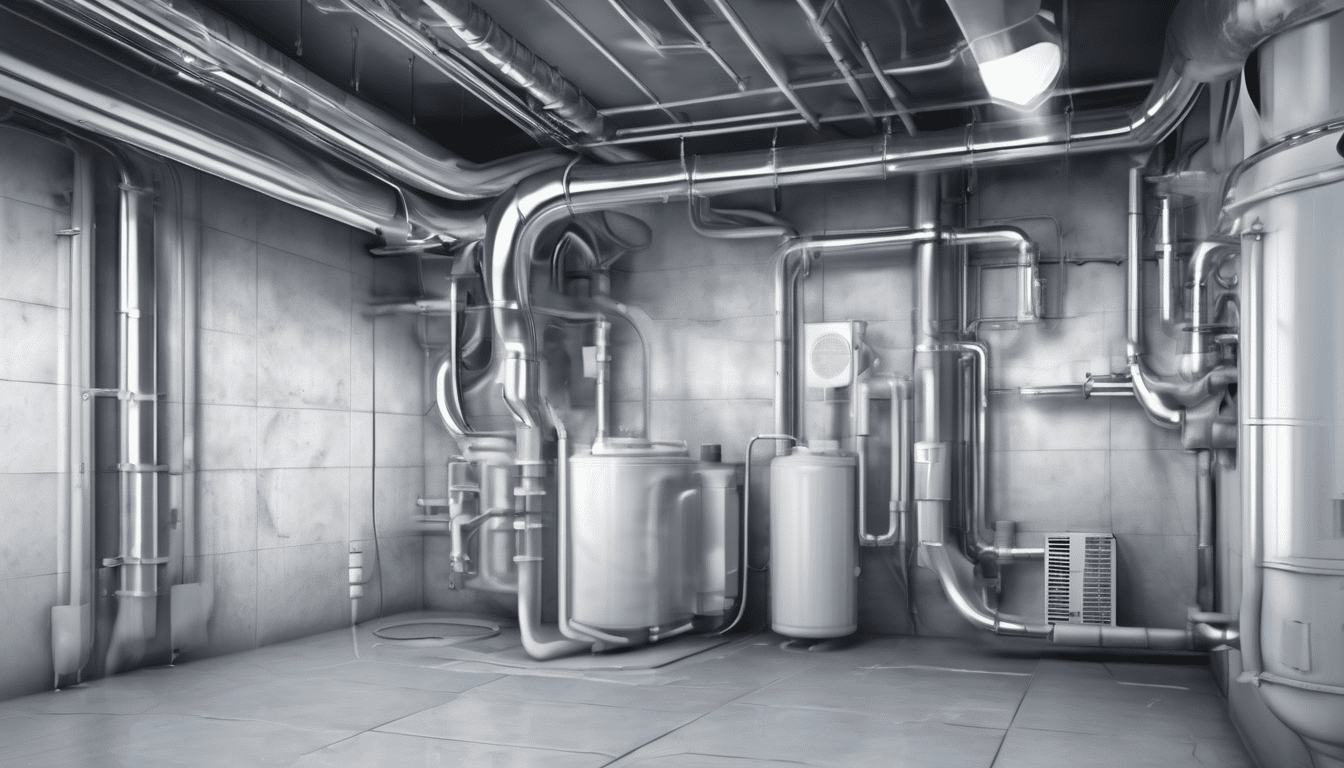
Ventilation System Design Best Practices For Mold – Why Mold in HVAC Systems is a Concern
Mold growth within HVAC systems poses significant risks to indoor air quality and the health of building occupants. Hidden mold can thrive in damp, dark environments like HVAC ducts, air handlers, and humidifiers. The consequences range from respiratory issues to structural damage. Understanding why mold forms in these areas is crucial for designing effective ventilation system best practices. This relates directly to Ventilation System Design Best Practices For Mold.
Ventilation System Design Best Practices For Mold – Design Principles for Effective Ventilation System Design Best Practices
Effective ventilation design starts with understanding the principles that prevent mold growth. Key considerations include airflow patterns, material selection, and moisture management. Proper planning ensures a balanced indoor environment free from microbial contamination.
Airflow Considerations: Key to Preventing Mold Growth
Airflow is critical in preventing mold formation within HVAC systems. Sufficient air circulation helps remove moisture, reducing the likelihood of condensation and subsequent mold growth. Designers must ensure that airflow patterns are optimized for both heating and cooling cycles.
Material Selection and Its Impact on HVAC Systems
The materials used in HVAC components significantly influence mold risk. Smooth, non-porous surfaces are preferable to porous ones as they inhibit microbial growth. Selecting appropriate insulation and sealants is also crucial for maintaining optimal conditions.
Dust and Microbial Control Strategies for Ventilation Systems
Dust accumulation can act as a breeding ground for mold spores. Implementing regular cleaning schedules and using HEPA filters help control dust levels, reducing the risk of microbial contamination. Additionally, incorporating antimicrobial treatments in HVAC components can provide an extra layer of protection.
Humidity Management: Controlling Moisture in HVAC Design
Controlling moisture is essential for preventing mold growth. Proper humidity management involves using dehumidifiers and ensuring that humidifiers are correctly calibrated to avoid over-humidifying the air. Monitoring relative humidity levels can also alert designers to potential issues before they escalate.
System Integration and Cross-Contamination Prevention
Integrating different HVAC components requires careful planning to prevent cross-contamination. Proper sealing of joints and gaps, along with the use of appropriate grilles and filters, ensures that air moves efficiently without introducing contaminants.
Maintenance and Monitoring Protocols for Ventilation Systems
Regular maintenance and monitoring are vital in preventing mold growth. Scheduling regular inspections, cleaning, and testing helps identify potential issues early. Using advanced diagnostic tools like thermal imaging can provide real-time insights into system performance.
Expert Tips for Designing Mold-Free HVAC Systems
Here are some practical tips to ensure your ventilation systems remain mold-free:
- Use Advanced Materials: Opt for materials with antimicrobial properties and easy-to-clean surfaces.
- Regular Cleaning Schedules: Develop a maintenance plan that includes regular deep cleaning of HVAC components.
- Humidity Control Systems: Install dehumidifiers and properly calibrate humidifiers to maintain optimal humidity levels.
- Thermal Imaging: Use thermal imaging cameras to detect moisture issues before they become problematic.
FAQ: Common Questions About Ventilation System Design Best Practices for Mold
1. What are the risks of having mold in HVAC systems?
2. How do I design a ventilation system to prevent mold growth?
3. Are there specific materials that reduce mold risk in HVAC systems?
Conclusion: The Importance of Proper Ventilation in Mold Prevention
Properly designed and maintained ventilation systems are essential for preventing mold growth. By understanding the design principles, implementation strategies, and maintenance protocols, building owners can create a healthier indoor environment. Regular monitoring and proactive measures ensure that HVAC systems operate efficiently without compromising air quality. Understanding Ventilation System Design Best Practices For Mold is key to success in this area.