
Introduction
Mold remediation after water damage requires a meticulous approach to prevent further contamination and ensure long-term health safety. This step-by-step guide will take you through the essential actions needed to manage moisture issues, detect hidden mold growth, and maintain your home’s indoor environment.
Understanding Mold Remediation After Water Damage: A Step-by-Step Guide
Mold remediation after water damage involves a series of steps to address the moisture issues, detect hidden mold growth, and ensure proper cleaning and repairs. This process is crucial for preventing future mold regrowth and maintaining indoor air quality.
1. Assess the Damage
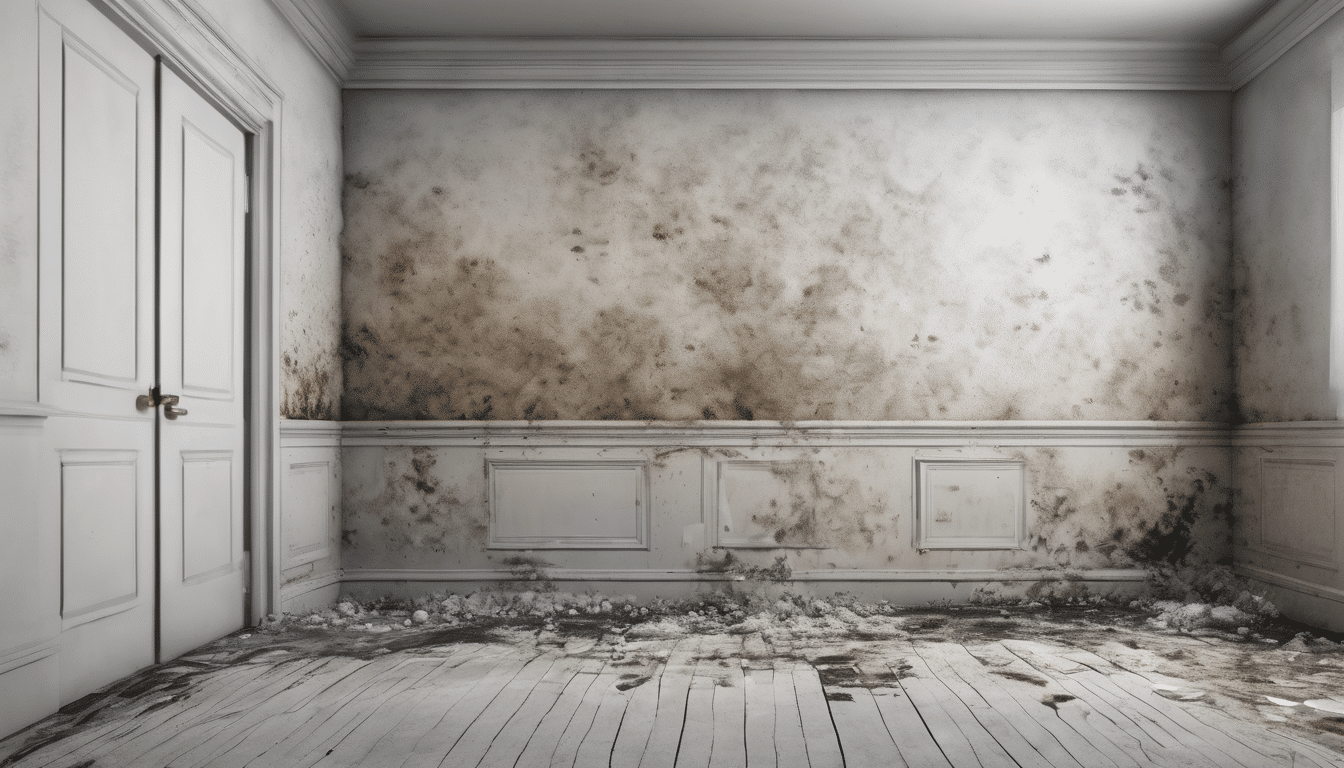
Begin by thoroughly inspecting the affected areas to determine the extent of water damage and potential mold growth. Look for visible signs like discoloration, musty odors, or mold colonies behind walls, under floors, and in HVAC systems.
2. Conduct a Mold Risk Assessment
Use laboratory-tested sampling methods to identify the presence of hazardous molds and assess any health risks. Saniservice’s Indoor Sciences Division operates one of the UAE’s only in-house microbiology labs, providing accurate species identification.
Mold Remediation After Water Damage: A Step-by-step Guide – Preparing the Environment for Mold Remediation
Before initiating mold remediation, it is essential to prepare the environment by ensuring proper containment and negative pressure setup. This prevents cross-contamination and ensures worker safety. This relates directly to Mold Remediation After Water Damage: A Step-by-step Guide.
1. Establish Negative Pressure
Set up a negative pressure system using HEPA-filtered fans or air scrubbers to prevent mold spores from spreading into unaffected areas of the building. Ensure that all openings, including doors and windows, are sealed.
2. Designate Containment Areas
Create a containment area for the affected rooms or zones to restrict access during remediation. Use plastic sheeting and sealing tape to create an impermeable barrier around the work area.
Mold Remediation After Water Damage: A Step-by-step Guide – Detecting Hidden Mold Growth in Dubai Homes
Hidden mold growth can occur behind walls, under floors, or within HVAC systems, making it crucial to employ advanced diagnostic tools and techniques. Here’s how to identify these hidden sources of contamination.
1. Thermal Imaging Diagnosis
Use thermal imaging cameras to detect moisture hotspots that may indicate hidden mold growth behind walls, ceilings, or beneath floors. This non-invasive technique helps pinpoint areas requiring further investigation. When considering Mold Remediation After Water Damage: A Step-by-step Guide, this becomes clear.
2. Borescope Inspection
Employ borescopes for detailed visual inspections of wall cavities and HVAC systems to detect hidden mold growth. These tools provide clear, close-up views that can help in accurate identification and removal.
Controlling Moisture to Prevent Regrowth
Effective moisture control is the cornerstone of successful mold remediation. Here are some strategies to manage moisture levels, ensuring long-term prevention of mold regrowth.
1. Install Humidity Monitoring Devices
Use high-precision humidity meters to monitor indoor relative humidity (RH) and temperature levels in affected areas. Maintain RH between 30% and 60% to minimize mold growth risks.
2. Improve Airflow and Ventilation
Enhance indoor air circulation by improving HVAC systems or introducing additional exhaust fans. Proper airflow helps distribute moisture evenly, reducing the chances of localized condensation that can lead to mold growth. The importance of Mold Remediation After Water Damage: A Step-by-step Guide is evident here.
Repairing Building Envelope Defects Leading to Mold Growth
Addressing building envelope issues is crucial for long-term prevention. Follow these steps to identify and repair defects that contribute to moisture intrusion.
1. Identify Hygrothermal Failures
Analyze the hygrothermal performance of your home or building using advanced diagnostic tools like thermal imaging, dew point calculators, and hygrometers. This helps identify areas with high moisture content.
2. Repair Defective Roofs and Walls
Replace or repair any damaged roofing materials, flashing, or wall insulation to prevent water intrusion. Seal gaps around windows, doors, and plumbing penetrations with appropriate weatherproofing materials.
Maintaining Healthy Indoor Air Quality After Water Damage
Post-mold remediation, focus on maintaining healthy indoor air quality (IAQ) to ensure a safe living environment. Here’s how to achieve this: Understanding Mold Remediation After Water Damage: A Step-by-step Guide helps with this aspect.
1. Select Appropriate Dehumidifiers
Purchase dehumidifiers with high capacity and efficiency to reduce moisture levels effectively. Ensure they are placed in affected areas for optimal performance.
2. Ventilate Affected Spaces
Open windows or use exhaust fans to increase air circulation, reducing humidity levels and preventing mold regrowth. Regularly clean filters and vents to maintain airflow efficiency.
Expert Tips for Effective Mold Remediation
Here are some practical tips from our experience in indoor environmental health to help you achieve the best results:
- Document Everything: Keep detailed records of all remediation steps, findings, and corrective actions taken. This documentation is invaluable for future reference.
- Use Professional Equipment: Invest in high-quality tools like HEPA vacuums, air scrubbers, and personal protective equipment (PPE) to ensure thorough cleaning and worker safety.
- Address Root Causes: Focus on fixing the underlying moisture issues rather than just treating symptoms. This approach ensures lasting results.
Frequently Asked Questions (FAQ)
Here are some common questions homeowners and property managers might have about mold remediation after water damage:
- Q: How long does it take to clean up after a water leak?
- A: The timeline can vary depending on the extent of damage. On average, it takes several days to weeks to fully remediate and dry out a property.
- Q: Can DIY mold removal be effective?
- A: While DIY methods can work for minor cases, professional intervention is recommended for complex situations or large-scale contamination. Professional expertise ensures thoroughness and safety.
Conclusion: A Comprehensive Guide to Mold Rem.
Mold remediation after water damage requires a multi-faceted approach that combines meticulous cleaning, moisture control strategies, and addressing root causes. By following this step-by-step guide, you can effectively prevent mold regrowth and maintain a healthy indoor environment for your family or tenants.