
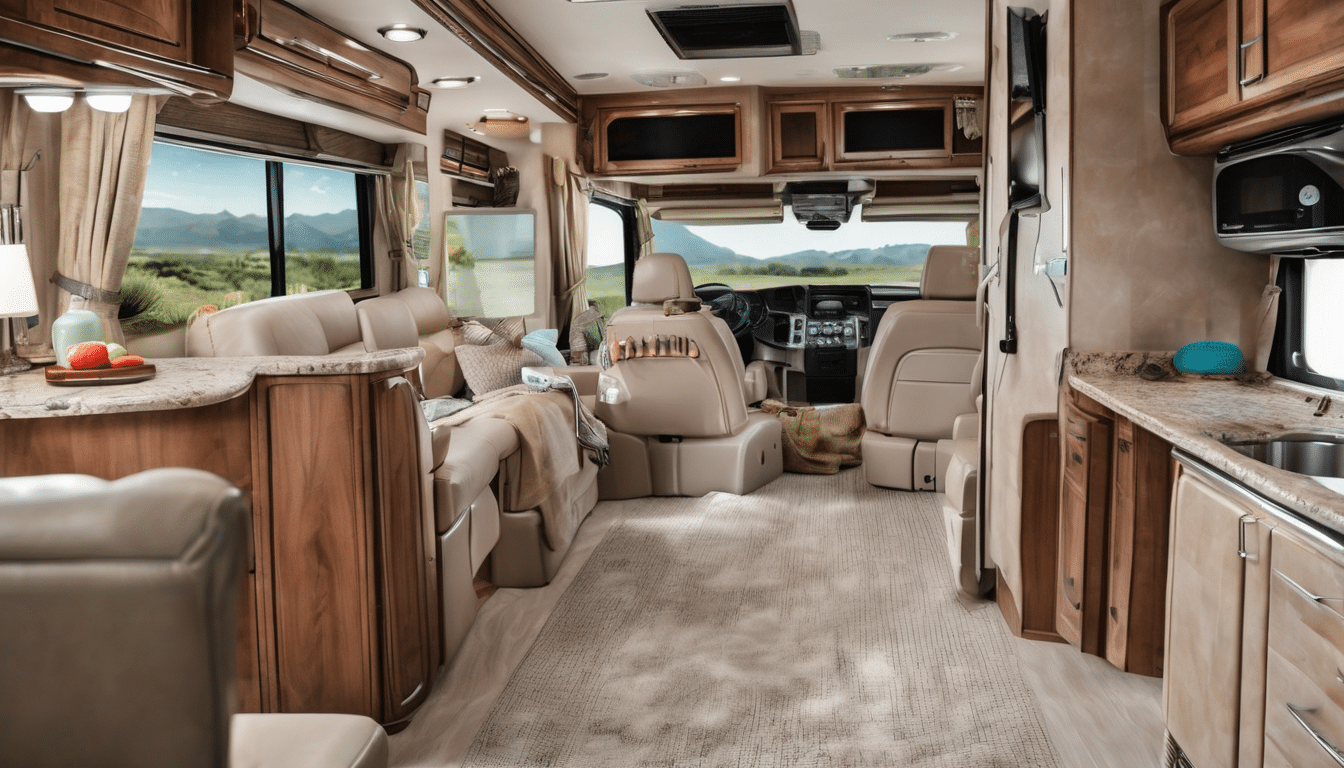
Choosing the Right Antimicrobial Coatings for RV Interiors
Understanding Choosing The Right Antimicrobial Coatings For Rv Interiors is essential. RVs are susceptible to moisture buildup due to their enclosed spaces and reliance on air conditioning. When moisture combines with organic materials, it can lead to mold growth, which not only affects the appearance of your RV but also poses health risks to its occupants. Antimicrobial coatings offer a promising solution by inhibiting microbial growth, but selecting the right one is crucial.
Understanding Choosing the Right Antimicrobial Coatings for RV Interiors
Antimicrobial coatings work by disrupting the cell walls of microorganisms, thereby preventing their growth. However, these coatings vary in effectiveness and durability. Factors such as the type of coating, the surface it is applied to, and proper application techniques all play a significant role. This relates directly to Choosing The Right Antimicrobial Coatings For Rv Interiors.
Types of Antimicrobial Coatings
- Biocidal Agents: These coatings contain active ingredients that actively kill microorganisms. Examples include silver, copper, and iodine compounds.
- Bacteriostatic Agents: These prevent the growth of bacteria by inhibiting their metabolic processes. They are less effective against fungi but can be used in combination with other agents.
Application and Durability
The effectiveness of antimicrobial coatings depends on how well they adhere to surfaces and maintain their properties over time. Look for products that have been tested for long-term durability under the conditions typical in an RV, such as temperature fluctuations and exposure to sunlight.
Choosing The Right Antimicrobial Coatings For Rv Interiors – Common Mistakes to Avoid When Choosing Antimicrobial Coating
Many RV owners make common mistakes when selecting antimicrobial coatings. Understanding these pitfalls can help you avoid costly and ineffective solutions.
- Choosing a One-Size-Fits-All Solution: Different surfaces require different types of coatings, so it’s important to choose one that is suitable for the specific area in your RV.
- Focusing Solely on Cost: While price is an important factor, you should prioritize effectiveness and long-term performance over cost alone.
- Ignoring Durability and Adhesion: Not all coatings are created equal. Ensure the product has been tested for durability under conditions similar to those in your RV.
What to Look For in Antimicrobial Coatings
When evaluating antimicrobial coatings, consider several key factors:
- Active Ingredients: Ensure the coating contains well-researched and effective biocidal or bacteriostatic agents.
- Durability: Look for products that have undergone long-term testing to ensure they can withstand the rigors of RV life.
- Application Method: Some coatings are easier to apply than others. Choose a method that suits your needs and skill level.
- Environmental Impact: Opt for products that are environmentally friendly, non-toxic, and safe for indoor use.
Specific Recommendations for Antimicrobial Coatings
Based on my experience in indoor environmental health, here are some specific recommendations:
- Silver Nanoparticle Coating: Silver nanoparticles have strong antimicrobial properties and can be applied to a variety of surfaces. However, ensure the coating is specifically designed for RVs.
- Copper-Infused Paint: Copper has natural antibacterial properties and can be incorporated into paint formulations. This provides an effective barrier against mold growth.
How to Install Proper Antimicrobial Coatings
The success of antimicrobial coatings depends not only on the product but also on how it is applied. Follow these steps:
- Preparation: Clean and dry the surface thoroughly before applying the coating.
- Application Method: Apply the coating according to manufacturer instructions, ensuring even coverage.
- Drying Time: Allow sufficient drying time as specified by the product manual.
- Post-Application Care: Follow any post-application care instructions provided by the manufacturer.
Related Topics
- Fixing Water Pooling and Mold Issues in an RV After a Roof Leak
- Preventing Moisture Buildup in RV Walls
- Installing Proper Ventilation for RV Roof Leaks
- Step-by-Step Guide to Cleaning Hidden Mold Growth in RVs
Expert Tips for Choosing the Right Antimicrobial Coatings
- Consult a Professional: If unsure, consult with an indoor environmental health expert to ensure you choose the right coating.
- Test Products First: Before applying a large area, test the coating in a small inconspicuous spot to check for any adverse reactions or peeling.
- Check Certifications: Look for certifications from recognized organizations that validate the effectiveness and safety of the product.
FAQ
- Q: How often do I need to reapply antimicrobial coatings?
- A: The frequency depends on the product, but generally, they should be reapplied every 5-10 years or as directed by the manufacturer.
- Q: Are there any DIY options for applying antimicrobial coatings?
- A: Yes, many products are available for DIY application. However, ensure you follow proper safety precautions and read all instructions carefully.
- Q: Can I use the same coating on both interior and exterior surfaces of my RV?
- A: It’s best to check with the manufacturer as some coatings may not be suitable for outdoor conditions or may require different application methods.
Conclusion
Choosing the right antimicrobial coating is crucial in preventing moisture and mold issues in RVs. By understanding what factors to consider, avoiding common mistakes, and following expert tips, you can select a product that effectively protects your RV’s interior while maintaining safety and environmental friendliness. When considering Choosing The Right Antimicrobial Coatings For Rv Interiors, this becomes clear.