
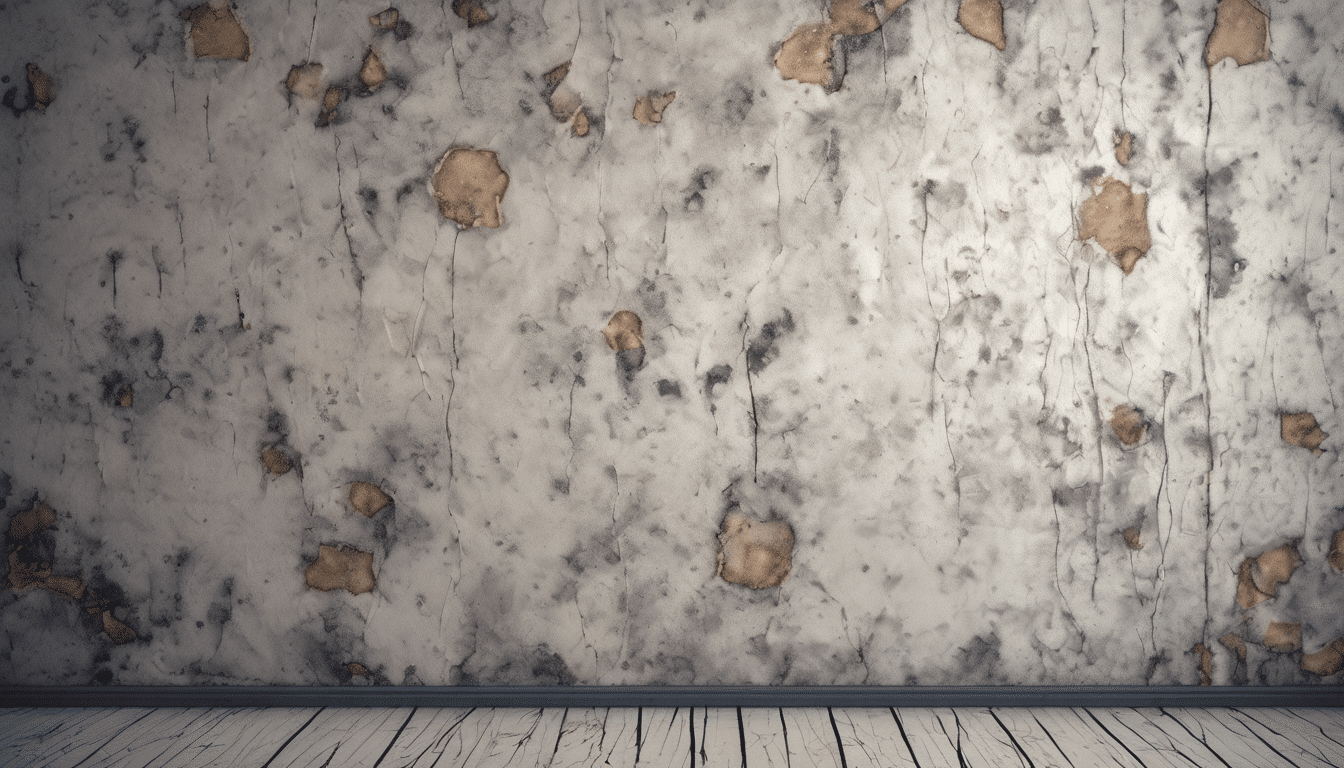
Introduction to Testing for Mold Behind Walls
Understanding Test For Mold Behind Walls Without Cutting Holes In An Old is essential. Testing for mold behind walls is essential for maintaining indoor air quality and preventing health issues. However, traditional methods often involve invasive procedures like cutting holes, which can be costly and damaging. In this guide, we will explore non-invasive methods to detect hidden mold growth in old homes, ensuring accurate results with minimal disruption.
Understanding How to test for Mold Behind Walls Without Cutting Holes in an Old Home
Before diving into specific methods, it’s crucial to understand the underlying principles of mold growth and how non-invasive techniques can help detect hidden mold. Mold thrives in environments with high moisture levels and poor ventilation. By identifying these conditions, you can pinpoint areas where mold might be present behind walls.
Test For Mold Behind Walls Without Cutting Holes In An Old – Non-Invasive Methods of Testing for Mold
Several non-invasive methods can help detect hidden mold without cutting holes in your walls. These include:
- Thermal Imaging
- Magnetic Field Sensors
- Hygroscopic Materials and pH Indicators
- Air Quality Monitoring
Using Thermal Imaging to Detect Mold
Thermal imaging is a powerful tool that can help identify moisture hotspots and areas of concern behind walls. Here’s how it works:
- Step 1: Prepare the Area: Ensure the area around the wall you want to test is clear of obstructions.
- Step 2: Conduct a Scan: Use a thermal imaging camera to scan the walls. Moisture and mold often cause temperature differences, which can be detected by the camera.
- Step 3: Analyze the Results: Look for areas with unusual heat patterns or temperature variations. These could indicate hidden moisture or mold growth.

Magnetic Field Sensors for Hidden Mold
Magnetic field sensors, also known as magnetometers, are another non-invasive method to detect hidden mold. These devices work by measuring the magnetic fields emitted by certain types of mold spores.
- Step 1: Position the Sensor: Place the sensor near the wall you suspect might have mold.
- Step 2: Monitor Changes in Magnetic Fields: Over time, changes in magnetic field readings can indicate the presence of mold spores.
Hygroscopic Materials and pH Indicators
These materials absorb moisture from the air or surfaces they are placed on. By placing these materials in strategic locations behind walls, you can monitor for changes that might indicate hidden mold growth. This relates directly to Test For Mold Behind Walls Without Cutting Holes In An Old.
- Step 1: Place Hygroscopic Materials: Use materials like silica gel or pH paper strips and place them inside wall cavities through small, sealed openings.
- Step 2: Monitor for Changes: Over time, changes in the material’s color or texture can indicate the presence of moisture or mold.
Air Quality Monitoring as an Alternative
Air quality monitoring systems can provide valuable data about indoor air pollutants, including mold spores. While this method doesn’t directly detect hidden mold behind walls, it can help identify elevated levels of mold spores in the air.
- Step 1: Install Monitoring Equipment: Place air quality monitors strategically throughout your home to get a comprehensive view of indoor air quality.
- Step 2: Analyze Data: Regularly check the data for spikes in mold spore counts, which could indicate hidden mold growth behind walls.
Test For Mold Behind Walls Without Cutting Holes In An Old – Case Study of a Hidden Mold Detection Success
Let’s explore a real-world example to see how non-invasive methods can effectively detect hidden mold:
- Background Information: A family in Dubai noticed persistent respiratory issues and suspected hidden mold behind their walls. They contacted our team for a professional evaluation.
- Methodology Used: We employed thermal imaging, hygroscopic materials, and air quality monitoring to test the walls without cutting any holes.
- Results Obtained: Our tests revealed significant moisture hotspots and elevated mold spore counts in one specific area of the home. This indicated hidden mold growth behind a bedroom wall.
- Action Taken: We advised the family to perform targeted mold remediation on that area, which led to an improvement in their indoor air quality and overall health.
Expert Tips for Testing Mold Behind Walls
Here are some expert tips to help you effectively test for mold behind walls:
- Choose the Right Tools: Invest in high-quality, non-invasive tools like thermal imaging cameras and air quality monitors.
- Conduct Regular Inspections: Schedule regular tests to monitor changes over time. This helps catch mold issues early before they become severe.
- Hire Professional Help: If you’re unsure about how to proceed, consider hiring an indoor environmental professional with experience in non-invasive testing methods.
- Combine Multiple Methods: Use a combination of techniques like thermal imaging and air quality monitoring for more accurate results.
- Understand Building Dynamics: Be aware of the building’s unique conditions, such as moisture sources and airflow patterns, which can affect mold growth.
Frequently Asked Questions on Testing for Mold
Here are some common questions about testing for mold:
- Q: Can I test for mold myself?
- A: Yes, you can use non-invasive methods like thermal imaging and air quality monitoring. However, professional help may be necessary to ensure accurate results.
- Q: Is it safe to live in a home with hidden mold?
- A: Hidden mold can pose health risks, especially for those with allergies or respiratory conditions. It’s important to address the issue promptly.
- Q: How often should I test for mold?
- A: Testing frequency depends on your home’s condition and history of moisture issues. Regular inspections are recommended, particularly after significant water damage events or during humid seasons.
When considering Test For Mold Behind Walls Without Cutting Holes In An Old, this becomes clear.
Conclusion of Testing for Mold Behind Walls
Testing for mold behind walls without cutting holes is a practical and effective approach. By using non-invasive methods like thermal imaging, magnetic field sensors, hygroscopic materials, and air quality monitoring, you can detect hidden mold growth with minimal disruption to your home. Remember to combine these techniques and hire professional help when needed to ensure accurate results and protect your health. Understanding Test For Mold Behind Walls Without Cutting Holes In An Old is key to success in this area.