
Introduction
Understanding Borescope Inspection Techniques For Behind-wall Mold is essential. Mold growth in residential and commercial properties is often hidden behind walls where it cannot be easily seen or detected by the naked eye. This can lead to prolonged exposure, costly repairs, and health issues for occupants. In this article, we will delve into how to use borescope inspection techniques effectively for behind-wall mold detection without cutting holes. We’ll cover key steps, tips, and best practices that will help you understand and address hidden mold problems in your property.
Understanding Borescope Inspection Techniques for Behind-Wall Mold
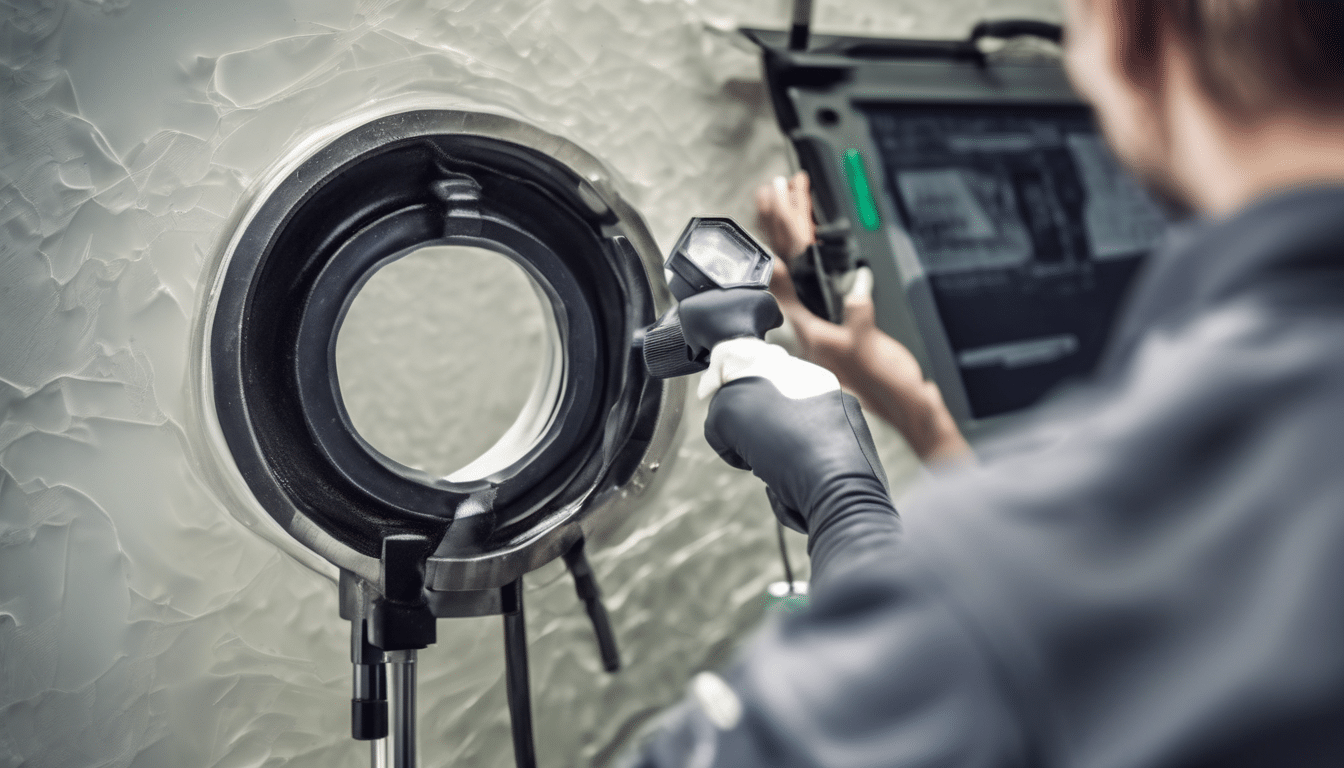
Borescopes are optical instruments that allow you to view and inspect areas that cannot be accessed directly. They consist of a flexible tube with a camera, light source, and eyepiece or monitor. These tools enable non-invasive inspections in tight spaces such as behind walls, under floors, or inside HVAC systems. This relates directly to Borescope Inspection Techniques For Behind-wall Mold.
Using borescopes for mold inspection involves several key steps:
- Mobility: Borescopes can be maneuvered into narrow crevices and around corners to access hidden areas where mold may grow undetected.
- Visibility: The camera on the borescope provides clear images, allowing for detailed inspection of potential mold growth sites.
- Non-Invasive: Borescopes avoid the need to make permanent alterations or extensive damage to property structures.
Borescope Inspection Techniques For Behind-wall Mold: Materials and Setup
To effectively use borescope inspection techniques, you will need:
- Borescope: A high-resolution device with a light source and camera. Choose one that can reach the required depth and has enough flexibility to maneuver around obstacles.
- Light Source: An external or built-in lighting system is crucial for clear imaging in dark areas.
- Monitor: A screen connected to the borescope allows you to see images in real-time. This can be a simple monitor or integrated into the device itself.
- Extension Rods and Tips: These accessories extend the reach of your borescope, allowing it to explore deeper or more complex areas behind walls.
- Safety Gear: Personal protective equipment (PPE) such as gloves and masks to protect yourself from potential allergens or contaminants during inspections.
Borescope Inspection Techniques For Behind-wall Mold – Borescope Types and Selection
There are several types of borescopes available, each with its own advantages:
- Rigid Borescopes: Fixed-length devices that provide excellent visibility in straight-line applications but have limited flexibility.
- Flexible Borescopes: Highly maneuverable and can be curved to reach tight spaces. Ideal for behind-wall inspections where rigidity is not sufficient.
Selecting the right borescope depends on your specific needs, such as:
- The depth of inspection required.
- The type of area being inspected (e.g., walls vs. HVAC systems).
- Available space for maneuverability.
Inspection Procedures for Behind-Wall Mold
To conduct a thorough borescope inspection, follow these steps:
- Access Points: Identify potential access points where mold may grow, such as around electrical outlets or plumbing.
- Cleaning and Preparation: Clean the area around the inspection point to ensure a clear view. Use a damp cloth or vacuum to remove debris if necessary.
- Insertion: Carefully insert the borescope through the access point, ensuring it remains stable during movement.
- Inspection: Move the borescope slowly and methodically to cover all areas of interest. Look for signs of mold growth, discoloration, or musty odors.
- Note-Taking: Document your findings with detailed notes and photos if possible. This will help in reporting and planning remediation efforts.
Interpreting Results from Borescopes
Mold growth can appear as:
- Discoloration: Dark patches or stains that are consistent with mold colonies.
- Growth Patterns: Clumps, fuzz, or slimy areas indicative of active mold.
However, visual identification alone may not be conclusive. To ensure accuracy:
- Use a combination of borescope inspection and other diagnostic methods like air sampling for confirmation.
- Check for musty odors that can indicate moisture levels conducive to mold growth.
Expert Tips and Tricks for Effective Inspection
To maximize the effectiveness of your borescope inspections:
- Combine with Other Tools: Use thermal imaging alongside borescopes to identify moisture hotspots that may indicate hidden mold growth.
- Regular Maintenance: Clean and inspect your borescope regularly to maintain optimal performance. This includes checking for lens clarity, cable integrity, and battery life.
- Training: Ensure you or your team have the necessary training in borescope use and mold identification to avoid false positives or negatives.
Frequently Asked Questions (FAQs)
How often should I perform borescope inspections?
Regular inspections, at least annually, are recommended to identify and address mold issues early. However, this frequency may vary depending on the property’s condition and risk factors.
Can a DIYer use borescopes for mold inspection?
Yes, but it’s important to have proper training and understanding of both the equipment and techniques involved. Consult with professionals if you are unsure about your ability to perform these inspections safely. When considering Borescope Inspection Techniques For Behind-wall Mold, this becomes clear.
Are there any limitations to borescope inspections?
Borescopes can be limited by their reach, especially in very tight spaces or areas with significant obstructions. Additionally, they may not detect all types of mold growth, particularly if the colony is small or well-hidden. The importance of Borescope Inspection Techniques For Behind-wall Mold is evident here.
Conclusion
Mold inspections using borescopes offer a non-invasive and efficient way to identify hidden mold behind walls. By understanding the techniques involved and utilizing the right tools, you can effectively manage indoor environmental health issues without causing unnecessary damage to your property. Understanding Borescope Inspection Techniques For Behind-wall Mold helps with this aspect.
Remember that while borescope inspections provide valuable insights, they should be part of an integrated approach that includes other diagnostic methods like air sampling and moisture mapping. Always consult with professionals for accurate diagnosis and remediation plans tailored to your specific situation. Understanding Borescope Inspection Techniques For Behind-wall Mold is key to success in this area.