
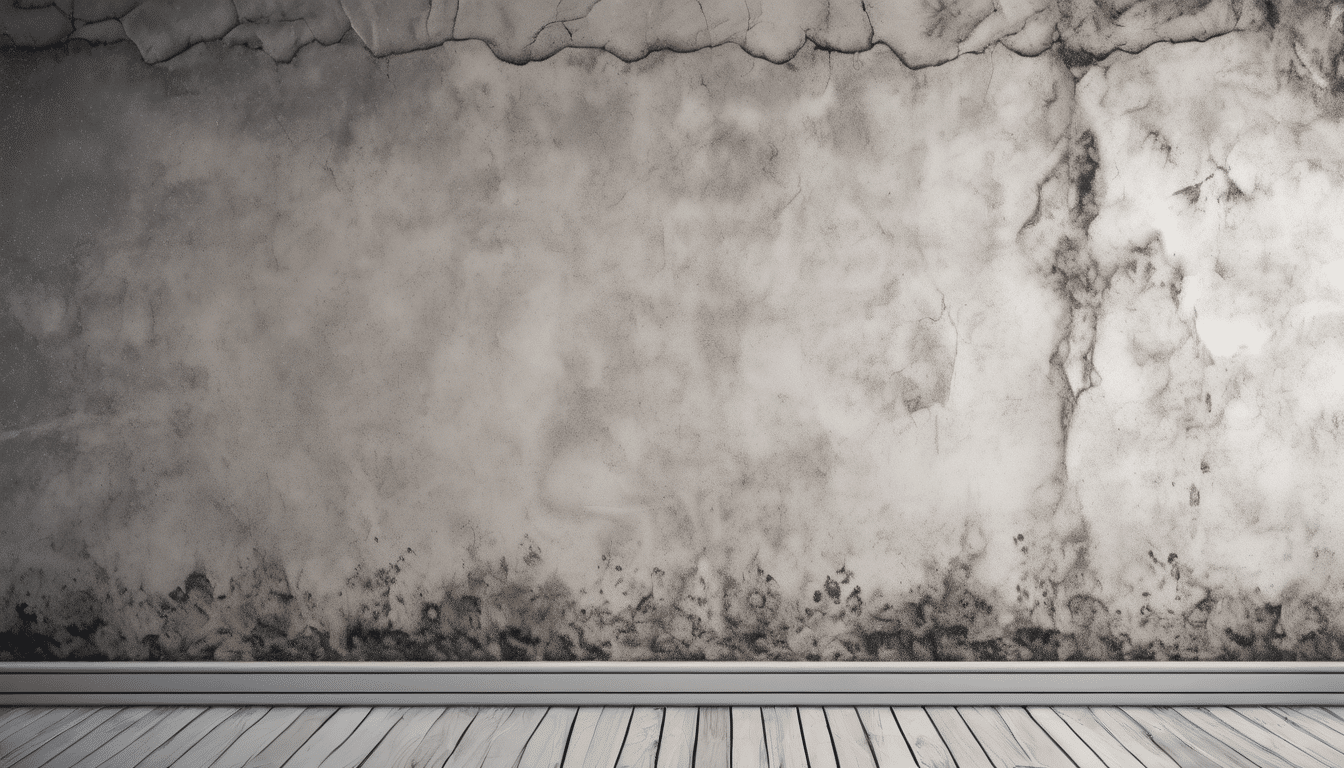
Understanding Hidden Mold Growth Behind Walls
Hidden mold growth behind walls can be a significant indoor environmental health issue, particularly in the UAE’s humid and air-conditioned environments. This section explores why hidden mold is a critical problem that requires comprehensive understanding and action. This relates directly to Understanding Hidden Mold Growth Behind Walls.
What Is Hidden Mold?
Hidden mold refers to fungal growth occurring behind walls, under floors, or within building systems like HVAC units. It is often unseen due to its location but can significantly impact indoor air quality (IAQ).
Understanding Hidden Mold Growth Behind Walls: Why Hidden Mold is a Problem
The presence of hidden mold poses several risks:
- Health Impacts: Exposure to hidden mold can lead to respiratory issues, allergies, and other health problems.
- Aesthetic Damage: Mold growth can cause structural damage to building materials over time.
- Structural Integrity: Hidden mold can weaken building components, leading to potential collapse or safety hazards.
Understanding Hidden Mold Growth Behind Walls: How Mold Spreads Behind Walls
Mold spreads behind walls through moisture migration and poor air circulation. Common pathways for mold growth include:
- Water Leaks: Roof leaks, pipe bursts, or condensation can create ideal conditions for mold to grow.
- Ventilation Issues: Poor ventilation systems can lead to moisture buildup and stagnant air pockets where mold thrives.
- Building Envelope Failures: Leaky windows, doors, or walls allow water intrusion into hidden areas.
Hidden Mold Testing and Remediation
To address hidden mold effectively, a comprehensive testing and remediation strategy is essential. Key steps include:
- Visual Inspection: Initial visual checks can reveal obvious signs of mold.
- Thermal Imaging: This technology helps detect moisture hotspots that may indicate hidden mold growth.
- Laboratory Testing: Collecting samples for microbiological analysis confirms the presence and species of mold.
Once identified, remediation involves thorough cleaning, proper containment, and application of appropriate methods to remove or control the mold. Professional indoor environmental consultants can provide expert guidance on this process.
Controlling Moisture to Prevent Hidden Growth
To prevent hidden mold from developing:
- Identify and Fix Leaks Promptly: Regular inspections can catch water damage early.
- Improve Ventilation: Ensure proper ventilation in areas prone to moisture, such as bathrooms and kitchens.
- Use Dehumidifiers: These devices help maintain optimal humidity levels within buildings.
Prevention Strategies for Building Systems
To minimize the risk of hidden mold in building systems, consider these strategies:
- Regular Maintenance: Inspect and maintain HVAC units to prevent moisture accumulation.
- Seal Gaps: Use caulk or sealants to prevent air leaks that can lead to condensation.
- Proper Drainage: Ensure roof gutters, downspouts, and foundation drains are functioning correctly.
Remediation Cost Considerations
The cost of hidden mold remediation can vary widely depending on several factors:
- Extent of Infestation: Larger areas require more extensive work, increasing costs.
- Type of Contaminated Materials: Some materials are easier to clean than others, affecting the scope of remediation.
- Building Size and Complexity: Larger buildings with complex systems can be more expensive to remediate.
A typical cost breakdown might include:
| Cost Component | Estimated Cost Range (AED) |
|---|---|
| Mold Testing and Laboratory Analysis | AED 500 – 1,500 |
| Containment and Negative Pressure Setup | AED 2,000 – 4,000 |
| Mold Removal and Disinfection | AED 3,000 – 8,000 |
| Post-Remediation Verification | AED 1,500 – 2,500 |
Expert Tips for Hidden Mold Prevention and Remediation
- Regular Inspections: Conduct routine checks to identify potential moisture issues early.
- Professional Guidance: Engage experienced indoor environmental consultants for comprehensive assessments.
- Informed Decisions: Educate yourself on the risks and best practices for mold prevention and remediation.
Frequently Asked Questions about Hidden Mold
- How can I tell if hidden mold is present?
Maintenance inspections, thermal imaging, and laboratory testing are key methods. Visual signs may also indicate the presence of mold.
- Is it safe to clean hidden mold myself?
No, DIY attempts often lead to improper remediation and potential health risks. Professional services should be engaged for thorough treatment.
- How long does hidden mold remediation typically take?
The duration varies but can range from a few days to several weeks depending on the extent of the infestation and remediation methods used. When considering Understanding Hidden Mold Growth Behind Walls, this becomes clear.
Conclusion
Hidden mold growth behind walls is a serious issue that requires proactive prevention and timely remediation. Understanding its causes, testing methods, and remediation strategies can help ensure safe indoor environments for all occupants. Engaging professional services and implementing comprehensive building maintenance practices are crucial steps in addressing hidden mold problems effectively. Understanding Understanding Hidden Mold Growth Behind Walls is key to success in this area.