
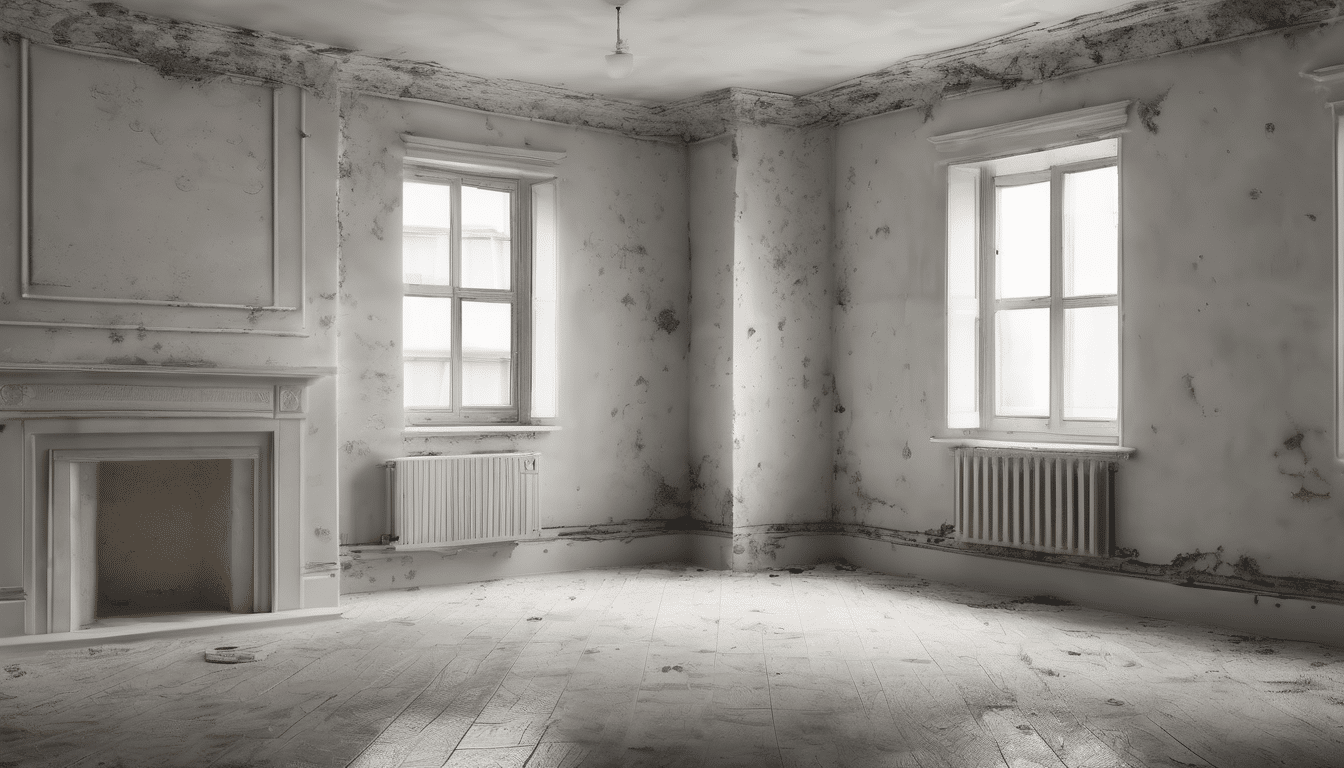
Understanding Hidden Causes
Recurring mold problems are not just a surface issue; they are indicative of deeper, often hidden building failures. In the context of Dubai’s climate and high humidity levels, recurring mold in apartments can stem from several factors. This section explores these causes to help you understand what is driving the persistent growth.
Climate Factors
Dubai’s warm and humid climate creates ideal conditions for mold to thrive. The city experiences an average relative humidity of 60-80%, coupled with temperatures that remain above 25°C throughout much of the year. This combination fosters moisture retention, which is a primary driver of mold growth.
Building Construction and Materials
The construction materials used in apartment buildings can also contribute to recurring mold issues. Poor-quality materials or those with high moisture absorption rates can retain water, leading to hidden growth behind walls and under floors. Additionally, the use of non-breathable finishes can trap moisture, creating an environment conducive to mold.
The Dubai Climate and Humidity’s Role in Mold Formation
Dubai’s climate plays a significant role in mold formation within apartments. High humidity levels create a breeding ground for mold spores, which can settle on surfaces and thrive under the right conditions. Understanding this environment is crucial for addressing recurring issues.
Humidity Control Strategies
Effective humidity control measures are essential to prevent mold recurrence. This includes proper ventilation, dehumidification systems, and regular air circulation. Additionally, using moisture-absorbent materials can help maintain a drier indoor environment.
Hidden Mold Detection Methods for Your Apartment
Detecting hidden mold is challenging but necessary to address the root causes effectively. This section outlines various methods that can be used to identify and locate hidden growth, ensuring comprehensive remediation.
Thermographic Inspection
Thermal imaging can reveal hidden moisture sources by detecting temperature variations within walls and other building components. This non-invasive method is particularly useful in identifying areas where mold may have grown behind surfaces.
Borescope Inspections
Using borescopes allows for a detailed visual inspection of hard-to-reach areas such as cavities, ducts, and ceilings. This tool can help pinpoint specific locations where mold is likely to be present or has already grown.
Root Cause Analysis: Identifying the True Causes of Mold Recurrence
To effectively address recurring mold issues, a thorough root cause analysis must be conducted. This involves examining various aspects of building construction and maintenance that may contribute to moisture retention and subsequent mold growth.
Building Materials and Construction Defects
Issues such as poorly installed insulation, inadequate vapor barriers, or improper sealing can lead to hidden moisture accumulation. These defects need to be identified and corrected to prevent future mold growth.
Water Intrusion and Leakage: Common Culprits in Apartments
Water intrusion from leaks is one of the most common causes of recurring mold issues in apartments. Leaks can occur due to plumbing failures, roof damage, or faulty HVAC systems. Identifying these sources is crucial for addressing root causes.
Leak Detection Techniques
Regularly checking for water leaks involves inspecting pipes, connections, and fixtures. Using moisture meters and thermal imaging can help detect hidden leaks that may be causing mold growth behind walls or beneath floors.
Thermographic Inspection: Unveiling Hidden Moisture Sources
Thermal imaging provides a non-invasive method to locate areas of high humidity, which are often associated with hidden moisture sources. This technique can help in pinpointing the exact locations where mold is likely to be present.
Mold Mapping
Creating a detailed map of moisture levels throughout an apartment can provide valuable insights into where hidden mold may exist. This mapping helps prioritize areas for remediation and ensures a comprehensive approach to addressing recurring issues.
Professional Mold Remediation Strategies for Recurring Issues
Addressing recurring mold problems requires professional expertise to ensure thorough and effective remediation. This section outlines key strategies that can be employed by certified professionals.
Containment Design
Proper containment design is critical during mold remediation in occupied buildings. Negative pressure systems, HEPA filtration, and appropriate personal protective equipment (PPE) are necessary to prevent cross-contamination and ensure worker safety.
Drying and Dehumidification
Effective drying and dehumidification are essential to eliminate moisture sources that may be driving mold growth. This includes using specialized equipment such as air movers, dehumidifiers, and desiccant systems.
Preventive Measures to Stop Mold Recurrence in Your Apartment
Implementing preventive measures can help stop recurring mold issues before they become a problem. This section provides actionable steps that homeowners and building managers can take.
Humidity Control Systems
Installing or upgrading HVAC systems with humidity control features can significantly reduce the risk of mold growth. These systems should include dehumidification capabilities and proper air circulation to maintain a dry indoor environment.
Expert Tips for Tackling Recurring Mold Issues
Here are some expert tips to help you effectively address recurring mold issues in your apartment.
- Invest in Professional Testing: Regular testing for hidden mold can provide valuable insights into where growth may be occurring. Lab analysis of samples can confirm the presence and species of mold, guiding remediation efforts.
- Address Building Defects: Identify and correct any building defects that may be contributing to moisture retention. This includes repairing leaks, replacing faulty insulation, and sealing gaps around windows and doors.
- Maintain Proper Ventilation: Ensure that your apartment has adequate ventilation systems in place. Regularly check for blockages or malfunctions in exhaust fans and air ducts to maintain airflow and reduce humidity levels.
Frequently Asked Questions (FAQs)
- Can recurring mold be completely eliminated?
- No, but with a comprehensive approach, the likelihood of recurrence can be significantly reduced. Identifying and addressing root causes is key to long-term success.
- How often should I test for hidden mold in my apartment?
- Testing should be conducted at least once a year or whenever there are signs of moisture issues. Regular testing helps catch problems early, reducing the risk of recurrent mold growth.
This relates directly to Recurring Mold In Apartment: Understanding Hidden.
- What can I do to prevent moisture intrusion in my apartment?
- To prevent moisture intrusion, ensure that your apartment has proper drainage systems, regularly check for and repair leaks, and maintain a dry indoor environment through effective humidity control measures.
Understanding Recurring Mold In Apartment: Understanding Hidden is key to success in this area.
Conclusion
Recurring mold issues in apartments are complex problems requiring a multifaceted approach. By understanding the hidden causes behind these issues, implementing preventive measures, and working with professional experts, you can achieve long-term success in addressing recurring mold growth.