
—
TITLE—
Post-Remediation Verification Steps for Mold Contamination Guide for 10 Effective Results
—
META—
Post-remediation verification steps are crucial in ensuring that mold contamination has been effectively removed. This guide provides essential tips to ensure thorough and lasting results.
—
EXCERPT—
Ensuring the successful removal of mold is only half the battle; post-remediation verification steps are critical for long-term indoor air quality and occupant health. This article will detail key verification steps, providing homeowners and professionals with practical guidance on achieving effective results.
—
CONTENT—
Introduction
Mold remediation is a complex process that requires meticulous planning and execution to ensure the safety of occupants and prevent future contamination. Post-remediation verification (PRV) steps are essential in confirming the thoroughness of mold removal efforts, ensuring long-term success. This guide will outline the necessary PRV steps for mold contamination. This relates directly to Post-remediation Verification Steps For Mold Contamination.
Understanding Post-Remediation Verification Steps for Mold Contamination
Post-remediation verification steps are designed to ensure that mold remediation has been completed successfully. These steps help identify any residual contamination, assess the effectiveness of remediation efforts, and prevent future outbreaks. Understanding these steps is crucial for both professionals and homeowners.
Post-Remediation Verification as a Systems Problem
Mold remediation should be viewed through the lens of building science. Hidden sources, moisture issues, and air quality all contribute to mold growth, making PRV essential for addressing these underlying factors.
Post-remediation Verification Steps For Mold Contamination – Visual Inspection and Documentation
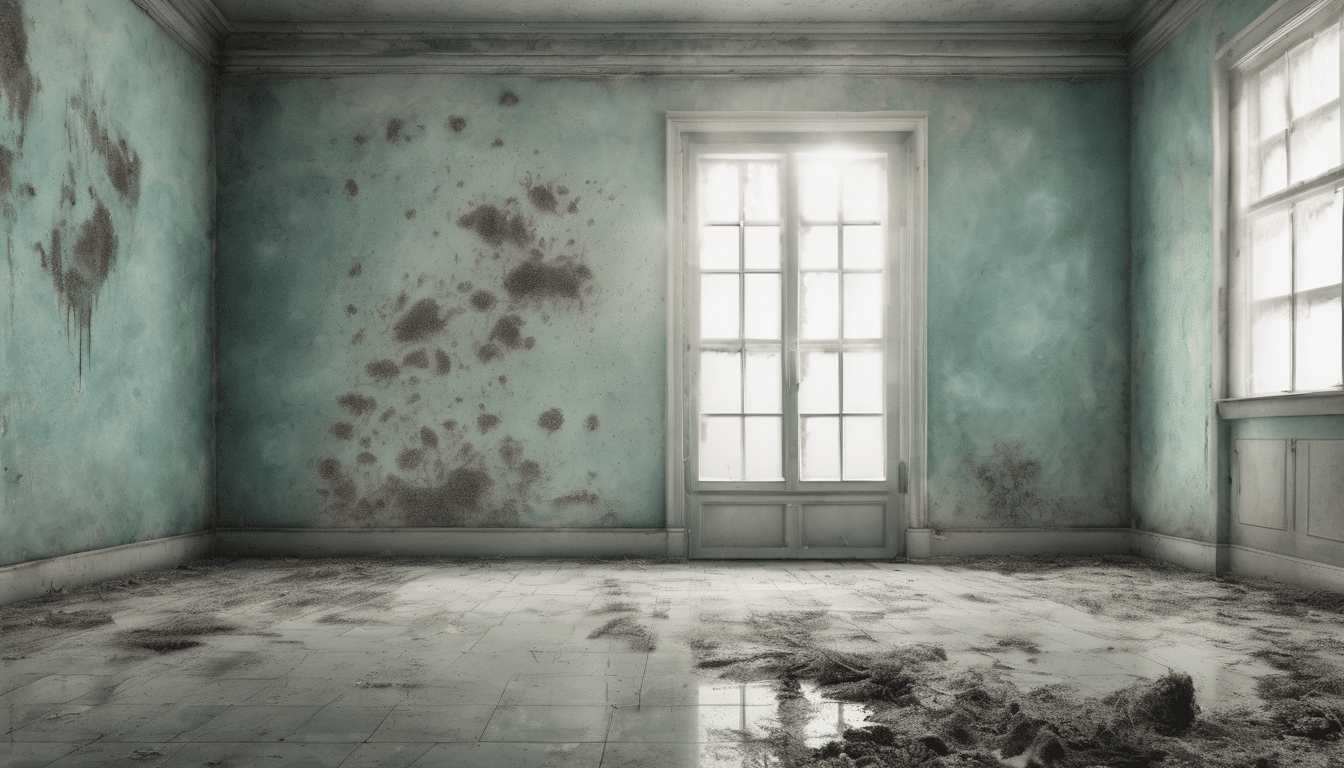
The first step in post-remediation verification is a thorough visual inspection. This involves checking areas where remediation was performed, including hidden spaces like behind walls, under floors, and within HVAC systems.
- Documentation: Record findings using photographs or videos to create a detailed report for reference.
- Target Areas: Focus on areas with previous mold growth, moisture damage, and ventilation issues.
Targeted Inspection
Conduct inspections during different weather conditions to identify any changes in visible signs of mold. This includes checking for water stains, discoloration, and musty odors that may indicate residual contamination. When considering Post-remediation Verification Steps For Mold Contamination, this becomes clear.
Post-remediation Verification Steps For Mold Contamination: Air Quality Testing
Indoor air quality testing is critical for ensuring the effectiveness of mold remediation efforts. It involves measuring the concentration of airborne mold spores before and after remediation to confirm a significant reduction in levels.
- Sampling: Use air sampling devices, such as spore traps, to collect samples from various points within the building.
- Analysis: Laboratory analysis will provide quantitative data on mold spore counts and identify any ongoing contamination issues.
Lab Analysis
Laboratory testing is essential for confirming the absence of viable mold spores. This involves sending air samples to a certified microbiology laboratory, where they are analyzed under a microscope or through molecular techniques such as PCR (Polymerase Chain Reaction).
Surface Sampling and Laboratory Analysis
Surface sampling is another critical PRV step. This involves collecting samples from surfaces that were previously contaminated, including mold-affected materials like drywall, insulation, and wood.
- Sampling Methods: Use swabbing or tape lift techniques to collect surface samples for analysis.
- Laboratory Testing: Samples are sent to a specialized lab where they undergo species identification, confirming the presence of specific mold types and quantifying their levels.
Species Identification
Identifying the species of mold is important because different molds may have varying health impacts. Species-specific testing provides a comprehensive understanding of the microbial environment and guides appropriate remediation strategies.
Hygrothermal Diagnostics
Hygrothermal diagnostics involve evaluating moisture levels within the building envelope, which can help identify hidden sources of moisture that may contribute to mold growth. This step is crucial for long-term prevention and ensuring remediation success. The importance of Post-remediation Verification Steps For Mold Contamination is evident here.
- Thermal Imaging: Use thermal imaging cameras to detect anomalies in temperature distribution, indicating potential moisture issues.
- Moisture Meters: Employ moisture meters to measure water content in building materials and structural components.
Moisture Mapping
Creating a moisture map can provide valuable insights into areas of high humidity or condensation. This helps in targeting specific regions for remediation and moisture control measures, ensuring comprehensive coverage.
Structural Assessment for Moisture Control
Post-remediation verification includes assessing the structural integrity and moisture management systems within a building. This ensures that all necessary repairs and improvements are made to prevent future mold growth.
- Building Envelope: Evaluate exterior walls, roofs, and foundations for signs of water intrusion or defects in waterproofing.
- HVAC Systems: Inspect HVAC units for leaks, clogs, or poor air flow that could contribute to moisture accumulation.
Building Science Assessment
From a building science perspective, it’s important to understand the hygrothermal dynamics of the property. This involves analyzing the interaction between temperature, humidity, and material properties to identify risk factors for mold growth.
Health Monitoring and Follow-Up
Post-remediation verification should include a health monitoring component. This helps ensure that occupants are not exposed to residual contamination and provides evidence of successful remediation efforts.
- Occupant Health: Monitor any reported symptoms, such as respiratory issues or allergies, which could indicate ongoing exposure to mold spores.
- Follow-Up Visits: Schedule periodic inspections and air quality tests to ensure long-term compliance with remediation standards.
Long-Term Monitoring
Laboratory testing, air quality monitoring, and visual inspections should be conducted regularly over time to confirm the absence of mold growth. This helps in identifying any early signs of regrowth and allows for prompt corrective action. Understanding Post-remediation Verification Steps For Mold Contamination helps with this aspect.
Expert Tips for Effective PRV
- Document Everything: Maintain detailed records of all verification steps, including visual inspections, air quality tests, and laboratory reports. Documentation is key to ensuring transparency and accountability.
- Hire Professionals: Engage qualified professionals for post-remediation verification to ensure accurate results and compliance with industry standards.
- Use Advanced Technologies: Leverage technologies like thermal imaging, hygrothermal diagnostics, and advanced air quality monitoring devices to enhance the thoroughness of your PRV process.
- Focus on Root Causes: Address underlying moisture issues that may contribute to mold growth. This includes repairing leaks, improving ventilation, and enhancing overall building envelope integrity.
Frequently Asked Questions (FAQs)
- Q: How long does post-remediation verification take?
- A: The duration can vary depending on the complexity of the situation, but it typically ranges from a few days to several weeks. It’s essential to allow enough time for thorough testing and analysis.
- Q: How much does post-remediation verification cost?
- A: The cost can range from AED 2,000 to AED 10,000 or more, depending on the scope of work. It’s important to factor in air quality testing, surface sampling, and laboratory analysis.
- Q: Can DIY post-remediation verification be effective?
- A: While some basic visual inspections can be performed by homeowners, advanced testing such as air quality monitoring and surface sampling should ideally be conducted by professionals to ensure accurate results.
Conclusion: Key Takeaways
Effective post-remediation verification is essential for ensuring the successful resolution of mold contamination. By following these steps, homeowners and professionals can confirm that all necessary measures have been taken to prevent future outbreaks and maintain a healthy indoor environment.
—
TAGS—
mold remediation, post-remediation verification, air quality testing, surface sampling, hygrothermal diagnostics
—
ALT_TEXT—
Post-Remediation Verification Steps for Mold Contamination – Detailed inspection of hidden mold areas during post-remediation verification process.