
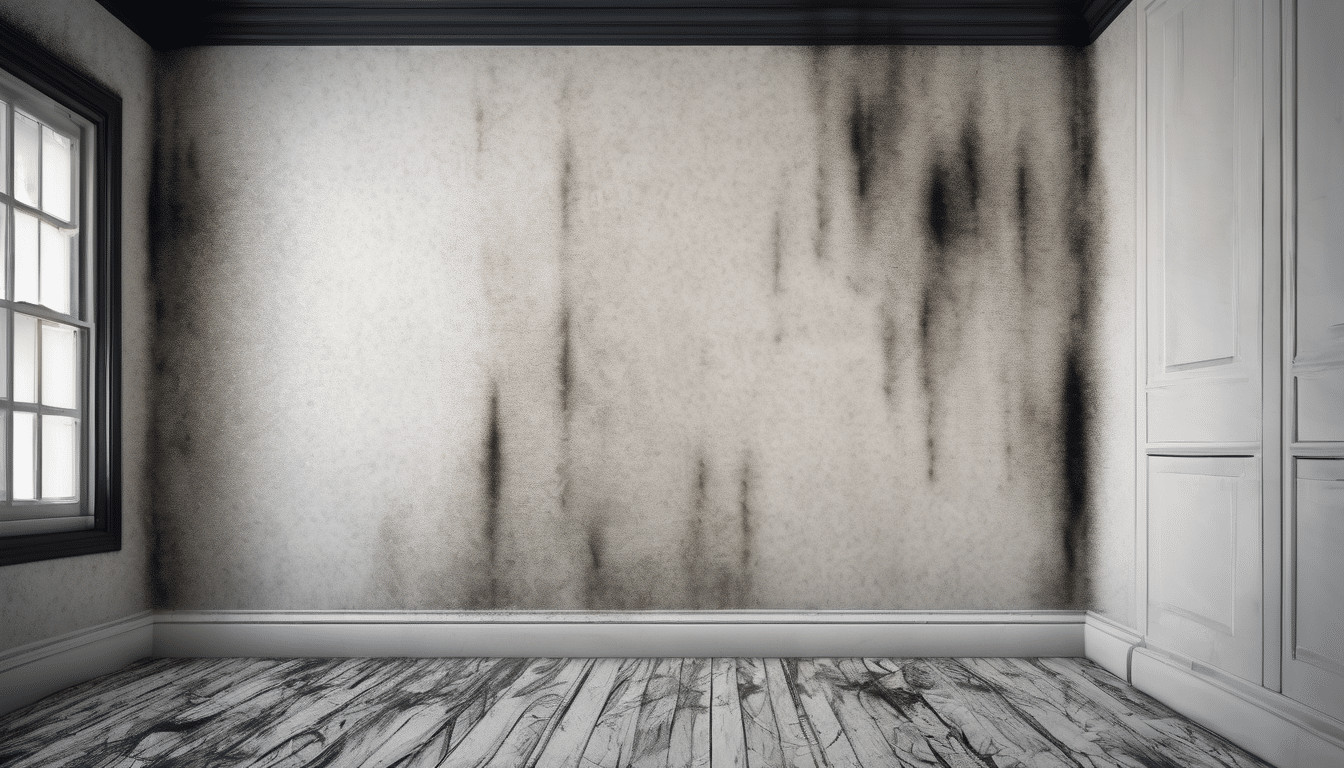
Understanding Preventing Black Mold Growth with Effective Ventilation
Black mold, scientifically known as Stachybotrys chartarum, is a type of fungus that can grow in indoor environments where excessive moisture accumulates. Effective ventilation plays a crucial role in preventing the growth and spread of black mold by controlling humidity levels and reducing excess moisture. This relates directly to Preventing Black Mold Growth With Effective Ventilation.
Preventing Black Mold Growth With Effective Ventilation – The Role of Ventilation in Preventing Mold
Indoor environments with high humidity, poor air circulation, and inadequate ventilation are prime conditions for mold growth. Ventilation helps remove excess moisture from the air by promoting airflow and reducing the relative humidity (RH) levels within a space. Lower RH reduces the likelihood of condensation, which is essential in preventing black mold.
Preventing Black Mold Growth With Effective Ventilation – Designing Effective Ventilation Systems
When designing or assessing ventilation systems for mold prevention, consider several factors:
- Airflow rates: Ensure that the system can handle adequate airflow to remove moisture efficiently. The rate should be proportional to the volume of the space.
- Exhaust ports: Proper placement of exhaust ports is crucial, especially in areas prone to high humidity such as bathrooms and kitchens.
- Ductwork integrity: Well-sealed ducts prevent air leaks that can reduce system effectiveness. Leaks can also introduce unfiltered outdoor air, which may contain moisture or mold spores.
Types of Ventilation for Black Mold Prevention
There are several types of ventilation systems that can be employed to prevent black mold growth:
- Supply ventilation: This involves introducing clean, filtered air into the space. It is often used in combination with exhaust ventilation.
- Exhaust ventilation: This removes moist and contaminated air from spaces such as bathrooms and kitchens. Proper installation of exhaust fans is essential for effective performance.
- Balanced ventilation: A combination of supply and exhaust systems that maintain a neutral pressure within the building, reducing moisture intrusion from outside.
Controlling Humidity with Ventilation
Humidity control is critical in preventing black mold growth. Key methods include:
- Dehumidifiers: Portable or whole-house dehumidifiers can significantly reduce moisture levels, especially in damp areas like basements and crawl spaces.
- Humidistats: These devices monitor relative humidity levels and automatically adjust ventilation rates to maintain optimal conditions.
Common Ventilation System Mistakes and How to Avoid Them
Mistakes in ventilation system design or operation can lead to increased risk of black mold growth. Be aware of these common issues:
- Overheated systems: Overheating can reduce the effectiveness of dehumidifiers and air conditioners, leading to moisture accumulation.
- Inadequate sealing: Air leaks from ductwork or poorly sealed windows and doors allow unfiltered outdoor air with higher moisture content into the space.
Maintaining Your Ventilation System for Mold Prevention
To ensure your ventilation system remains effective, follow these maintenance steps:
- Regular cleaning: Clean exhaust fans and filters to remove dust and debris that can obstruct airflow.
- Inspection: Regularly inspect ductwork for signs of wear or damage that could lead to leaks.
Expert Tips for Black Mold Prevention
Here are some expert tips from my experience in indoor environmental diagnostics and mold remediation:
- Use a hygrometer: Monitor RH levels to ensure they stay within safe ranges (ideally below 60%).
- Address water intrusion issues: Promptly repair leaks in plumbing, roofing, and windows to prevent moisture accumulation.
- Use natural ventilation when possible: Open windows and use cross-ventilation techniques to promote air flow during dry periods.
Frequently Asked Questions
Q1: How often should I check my ventilation system?
A1: Conduct a thorough inspection every 6 months, or more frequently if you notice any issues.
Q2: Can I use dehumidifiers in place of an effective ventilation system?
A2: Dehumidifiers can help reduce moisture levels but are not a substitute for proper ventilation. They should be used as supplementary measures.
Q3: What is the ideal humidity level to prevent black mold growth?
A3: Ideally, keep relative humidity below 60%. Humidity levels above 70% significantly increase the risk of mold growth.
Conclusion
Effective ventilation is a critical component in preventing black mold growth. By understanding the role of ventilation and implementing proper strategies, you can maintain healthy indoor air quality and protect your home or commercial space from the harmful effects of mold. Regular maintenance and adherence to best practices will ensure that your ventilation system remains effective and reduces the risk of black mold proliferation. Understanding Preventing Black Mold Growth With Effective Ventilation is key to success in this area.