
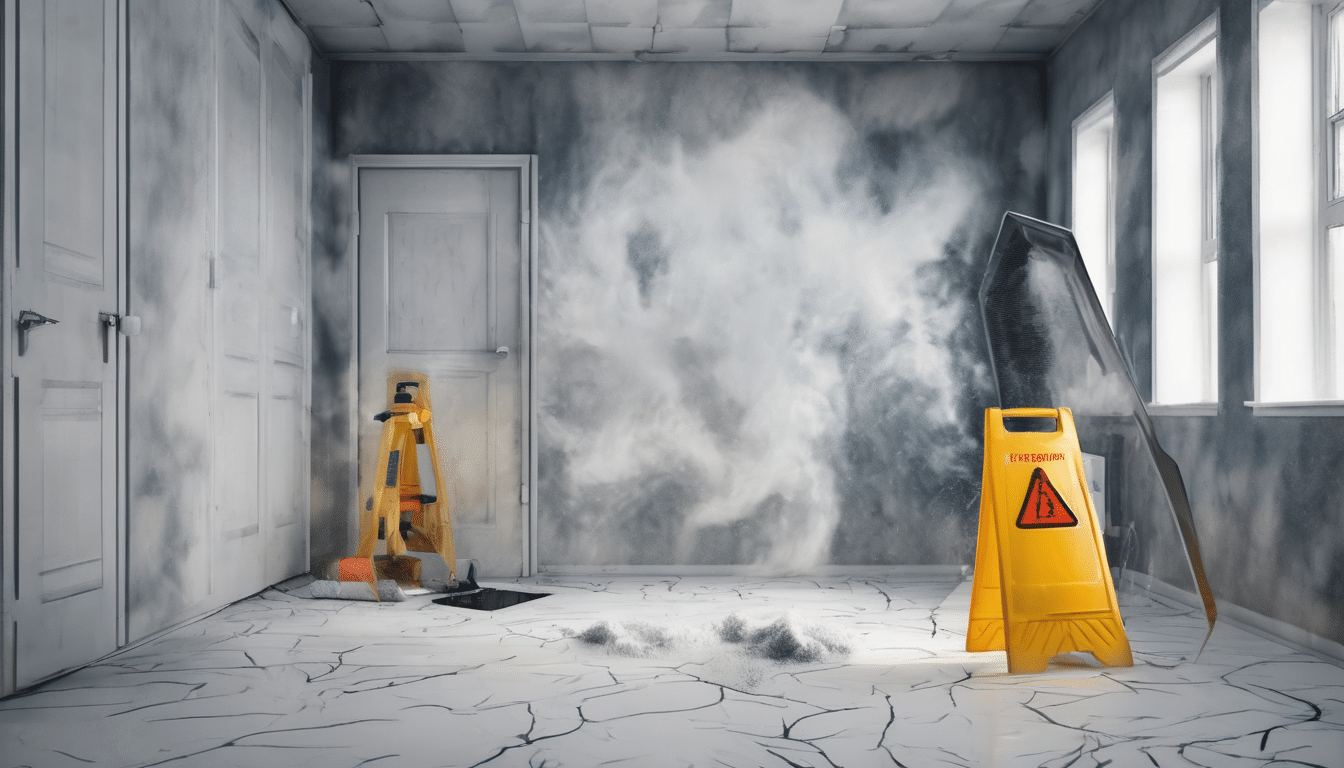
—
—
Introduction to Containment Design for Mold Removal in Occupied Spaces
When dealing with mold remediation in occupied buildings, it is crucial to design a containment strategy that minimizes disruption and ensures the safety of occupants. Containment is an essential step to prevent mold spores from spreading throughout the building, thereby protecting both health and property.
—
Proper Containment Design For Mold Removal In Occupied – Understanding Proper Containment Design
Proper containment design involves creating a barrier around the affected area to control air movement and prevent cross-contamination. This approach is vital in occupied spaces where daily activities continue, making it challenging to achieve complete isolation.
—
Proper Containment Design For Mold Removal In Occupied – Choosing the Right Mold-Removal Products and Methods
The choice of mold removal products should be based on the specific type of mold and the extent of contamination. Commonly used methods include:
- HEPA vacuuming
- Mold washes with biocides or surfactants
- Drying equipment such as dehumidifiers and air movers
—
<h2 id="designing-effective-negative-pressure-systems”>Proper Containment Design For Mold Removal In Occupied – Designing Effective Negative Pressure Systems
Negative pressure systems are critical for containing mold spores within the remediation zone. These systems work by drawing contaminated air from the affected area into a containment unit, where it is filtered and treated before being released back into the building. Proper Containment Design For Mold Removal In Occupied factors into this consideration.
—
Sealing Off Contamination Zones
To effectively contain mold, all openings that connect the remediation zone to other areas must be sealed. This includes: This relates directly to Proper Containment Design For Mold Removal In Occupied.
- Doorways and windows with heavy-duty plastic sheeting
- Holes in walls or floors covered with specialized tape
- Ventilation grilles blocked with filters or covers
—
Controlling Ventilation and Airflow
Proper control of ventilation is crucial to prevent the spread of mold spores. This can be achieved through:
- Temporary sealing off of HVAC ducts serving the remediation area
- Redirecting airflow away from occupied areas using negative pressure systems
- Using HEPA-filtered portable air units to control local airflow
—
Monitoring and Verifying Containment Integrity
To ensure the containment system is functioning effectively, regular monitoring is necessary. This includes:
- Testing for leaks in the plastic sheeting or tape seals
- Checking negative pressure levels using manometers
- Sampling air quality both inside and outside the containment zone
—
Expert Tips for Effective Containment Design
To enhance the effectiveness of your containment design, consider these expert tips:
- Pre-plan: Map out the work area in advance to identify all potential contamination pathways.
- Use appropriate materials: Employ high-quality plastic sheeting and tape for sealing off areas.
- Install air movers: Use HEPA-filtered fans to increase airflow within the containment zone.
- Communicate with occupants: Keep residents informed about the process to minimize concerns.
—
Frequently Asked Questions About Containment Design in Mold Removal
- Q: How long does containment need to be maintained?
- Q: Can occupants enter the containment zone during work?
- Q: What happens if a breach occurs in the containment?
A: Containment should remain in place until all remediation activities are completed and verified by testing.
A: Entry into the containment zone is generally restricted to authorized personnel only. Proper communication with residents ensures they understand the importance of this restriction.
A: Immediate action should be taken, including re-sealing the area and possibly re-testing air quality to ensure no spread of mold spores. When considering Proper Containment Design For Mold Removal In Occupied, this becomes clear.
—
Conclusion on Proper Containment Design for Mold Removal
Proper containment design is a critical component in successful mold remediation, especially in occupied spaces. By understanding the principles and implementing effective strategies, professionals can ensure that occupants remain safe while minimizing disruption to daily activities.
—
—
Proper containment design is a critical component in successful mold remediation, especially in occupied spaces. By understanding the principles and implementing effective strategies, professionals can ensure that occupants remain safe while minimizing disruption to daily activities. The importance of Proper Containment Design For Mold Removal In Occupied is evident here.
Introduction to Containment Design for Mold Removal in Occupied Spaces
When dealing with mold remediation in occupied buildings, it is crucial to design a containment strategy that minimizes disruption and ensures the safety of occupants. Containment is an essential step to prevent mold spores from spreading throughout the building, thereby protecting both health and property.
Understanding Proper Containment Design
Proper containment design involves creating a barrier around the affected area to control air movement and prevent cross-contamination. This approach is vital in occupied spaces where daily activities continue, making it challenging to achieve complete isolation.
The Importance of Containment
Containment not only helps protect occupants from harmful mold spores but also prevents the costly and time-consuming spread of contamination. Without proper containment, remediation efforts can be rendered ineffective, leading to repeated cycles of treatment and increased expenses. Understanding Proper Containment Design For Mold Removal In Occupied helps with this aspect.
Choosing the Right Mold-Removal Products and Methods
The choice of mold removal products should be based on the specific type of mold and the extent of contamination. Commonly used methods include:
- HEPA vacuuming
- Mold washes with biocides or surfactants
- Drying equipment such as dehumidifiers and air movers
The Role of Mold Removal Products
Effective mold removal products are crucial in ensuring a thorough clean. Biocides, for instance, can help kill the mold spores, while surfactants assist in breaking down the organic matter that supports their growth. Understanding the specific needs of your remediation project is key to selecting the right tools.
Designing Effective Negative Pressure Systems
Negative pressure systems are critical for containing mold spores within the remediation zone. These systems work by drawing contaminated air from the affected area into a containment unit, where it is filtered and treated before being released back into the building.
The Role of Negative Pressure
By creating a pressure differential that keeps air moving away from the remediation zone, negative pressure systems significantly reduce the risk of mold spores spreading. Ensuring these systems are designed and installed correctly is crucial for effective containment.
Sealing Off Contamination Zones
To effectively contain mold, all openings that connect the remediation zone to other areas must be sealed. This includes:
- Doorways and windows with heavy-duty plastic sheeting
- Holes in walls or floors covered with specialized tape
- Ventilation grilles blocked with filters or covers
Sealing Techniques and Materials
Using high-quality plastic sheeting and tape is essential to create a barrier that prevents air from escaping the remediation zone. These materials should be selected based on their durability and ability to withstand daily activities in occupied spaces. This relates directly to Proper Containment Design For Mold Removal In Occupied.
Controlling Ventilation and Airflow
Proper control of ventilation is crucial to prevent the spread of mold spores. This can be achieved through:
- Temporary sealing off of HVAC ducts serving the remediation area
- Redirecting airflow away from occupied areas using negative pressure systems
- Using HEPA-filtered portable air units to control local airflow
Airflow Management Strategies
By managing airflow effectively, professionals can ensure that contaminated air is contained and treated before it affects other areas of the building. This involves careful planning and implementation of strategies to prevent cross-contamination.
Monitoring and Verifying Containment Integrity
To ensure the containment system is functioning effectively, regular monitoring is necessary. This includes:
- Testing for leaks in the plastic sheeting or tape seals
- Checking negative pressure levels using manometers
- Sampling air quality both inside and outside the containment zone
Continuous Monitoring
Regular monitoring helps identify any issues early, allowing for immediate corrective action. This ensures that the containment system remains effective throughout the remediation process.
Expert Tips for Effective Containment Design
To enhance the effectiveness of your containment design, consider these expert tips:
- Pre-plan: Map out the work area in advance to identify all potential contamination pathways.
- Use appropriate materials: Employ high-quality plastic sheeting and tape for sealing off areas.
- Install air movers: Use HEPA-filtered fans to increase airflow within the containment zone.
- Communicate with occupants: Keep residents informed about the process to minimize concerns.
Best Practices
Proper planning, use of high-quality materials, and effective communication are key to successful containment design. These practices ensure that the remediation process is both efficient and safe for all involved. When considering Proper Containment Design For Mold Removal In Occupied, this becomes clear.
Frequently Asked Questions About Containment Design in Mold Removal
- Q: How long does containment need to be maintained?
- Q: Can occupants enter the containment zone during work?
- Q: What happens if a breach occurs in the containment?
A: Containment should remain in place until all remediation activities are completed and verified by testing.
A: Entry into the containment zone is generally restricted to authorized personnel only. Proper communication with residents ensures they understand the importance of this restriction.
A: Immediate action should be taken, including re-sealing the area and possibly re-testing air quality to ensure no spread of mold spores. The importance of Proper Containment Design For Mold Removal In Occupied is evident here.
Addressing Breaches
Proper procedures for addressing breaches are essential to maintain containment integrity. These include immediate sealing and verification testing to ensure that remediation efforts continue effectively.
Conclusion on Proper Containment Design for Mold Removal
Proper containment design is a critical component in successful mold remediation, especially in occupied spaces. By understanding the principles and implementing effective strategies, professionals can ensure that occupants remain safe while minimizing disruption to daily activities.
—
tags: proper-containment-design, mold-removal-in-occupied-spaces, negative-pressure-systems, containment-strategies
—
alt_text: Proper Containment Design for Mold Removal in Occupied Spaces – Containment design strategies and expert tips for effective remediation in occupied buildings.