
—
—
—
—
Introduction to Hidden Mold Growth in Walls
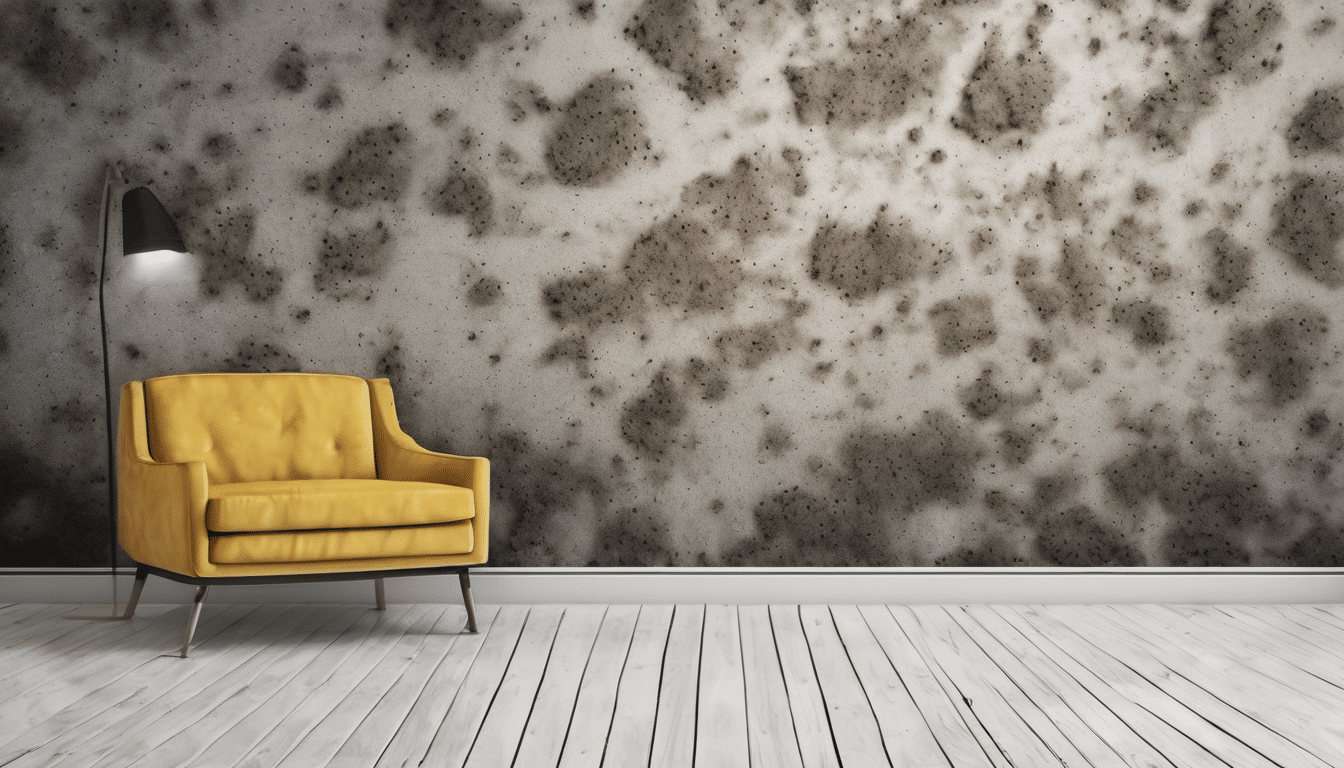
Hidden mold growth in walls is a serious concern for indoor environmental health, especially in the UAE where high humidity and air conditioning create an ideal environment for mold proliferation. The challenge lies not only in identifying visible mold but also in detecting hidden growth that can lead to mycotoxin exposure and structural damage. This guide will walk you through the process of identifying hidden mold growth in walls using advanced diagnostics, ensuring a thorough understanding of this critical issue.
—
Identify Hidden Mold Growth In Walls: Why Identify Hidden Mold?
Identifying hidden mold is crucial for several reasons. First, it ensures that occupants are not exposed to harmful mycotoxins and allergens that can cause respiratory issues, skin irritation, and other health problems. Second, hidden mold growth can compromise the structural integrity of buildings by weakening materials over time. Finally, identifying hidden molds allows for targeted remediation efforts, saving time and resources compared to a blanket approach.
—
Identify Hidden Mold Growth In Walls: Common Indicators of Hidden Mold
While visible mold is concerning, hidden growth often goes unnoticed until it causes significant damage. Common indicators include:
- Musty odors in areas that do not have noticeable water damage
- Water stains or discoloration behind walls and around plumbing fixtures
- Dampness or moisture accumulation in wall cavities
- Peeling paint, wallpaper, or other materials that are discolored
- Visible mold growth on the exterior of walls near air conditioning units or humidifiers
—
Identify Hidden Mold Growth In Walls: Advanced Diagnostic Tools for Hidden Mold
To detect hidden mold growth accurately, several advanced diagnostic tools can be employed:
- Thermal Imaging
- Hygrothermal Analysis
- Borescopes for inspecting inaccessible areas
- Infrared cameras to identify temperature anomalies associated with moisture
—
Thermal Imaging for Mold Detection
Thermal imaging is a powerful tool in identifying hidden mold by detecting temperature differences that indicate the presence of moisture. Case Study:
—
Case Study: Thermal Imaging Reveals Hidden Mold Growth
In a residential property in Dubai, a thermal imaging scan revealed abnormally high temperatures behind the walls near the bathroom. Upon further investigation using borescopes and moisture meters, hidden mold was confirmed, leading to targeted remediation efforts.
—
Hygrothermal Analysis and Hidden Mold
Hygrothermal analysis involves studying the interaction between humidity and temperature within a building. This can help identify areas where condensation is likely to occur, making it easier to pinpoint potential hidden mold growth. Case Study:
—
Case Study: Hygrothermal Analysis Identifies Hidden Mold
During a hygrothermal analysis of an office building in Abu Dhabi, the data indicated high humidity levels in the server room. Further inspection revealed hidden mold growth behind the walls, leading to immediate remediation.
—
Hidden Mold Testing and Sampling
Once suspected areas have been identified, laboratory testing is necessary to confirm the presence of mold. This involves: This relates directly to Identify Hidden Mold Growth In Walls.
- Surface Sampling
- Air sampling using spore traps
- Laboratory analysis for species identification and mycotoxin detection
—
Surface Sampling
Surface sampling involves collecting samples from suspicious areas to identify mold species. Common methods include:
- Surface swabs
- Tape lifts
—
Air Sampling and Spore Trapping
Air sampling uses spore traps to capture airborne mold spores. This helps in determining the extent of contamination and identifying specific species present.
—
Case Study: Hidden Mold Testing Reveals Species Identification
During a routine inspection, air samples revealed the presence of Stachybotrys chartarum, known for its toxic potential. This led to targeted remediation efforts and ongoing monitoring.
—
Expert Tips for Identifying Hidden Mold
Here are some expert tips to help you identify hidden mold growth:
- Check for Moisture Accumulation
- Use Thermal Imaging and Borescopes for Inaccessible Areas
- Perform Hygrothermal Analysis to Identify High-Risk Areas
- Conduct Laboratory Testing to Confirm Mold Presence and Species
- Address the Root Causes of Moisture to Prevent Future Growth
—
Check for Moisture Accumulation
Regularly inspect areas prone to moisture, such as bathrooms, kitchens, and basements, for signs of water damage or condensation. When considering Identify Hidden Mold Growth In Walls, this becomes clear.
—
Frequently Asked Questions
- How to Deal with Hidden Mold Growth?
- What Are the Long-Term Effects of Ignoring Hidden Mold?
- Can Hidden Mold Be Detected Without Invasive Methods?
—
How to Deal with Hidden Mold Growth?
The first step is to identify the source and extent of the mold growth. Once identified, professional remediation may be necessary to remove hidden molds safely.
—
Conclusion and Next Steps
Identifying hidden mold growth in walls requires a systematic approach using advanced diagnostic tools and laboratory testing. By following this guide, you can take proactive steps to protect your health and property from the harmful effects of hidden molds.
—
—
How to Deal with Hidden Mold Growth?
The first step is to identify the source and extent of the mold growth. Once identified, professional remediation may be necessary to remove hidden molds safely. Addressing the root causes of moisture and implementing long-term moisture control strategies will prevent future hidden mold growth. The importance of Identify Hidden Mold Growth In Walls is evident here.
—
Conclusion and Next Steps
Identifying hidden mold growth in walls is a critical step towards maintaining indoor air quality and protecting property integrity. By following the steps outlined in this guide, you can take proactive measures to address hidden molds effectively.
—