
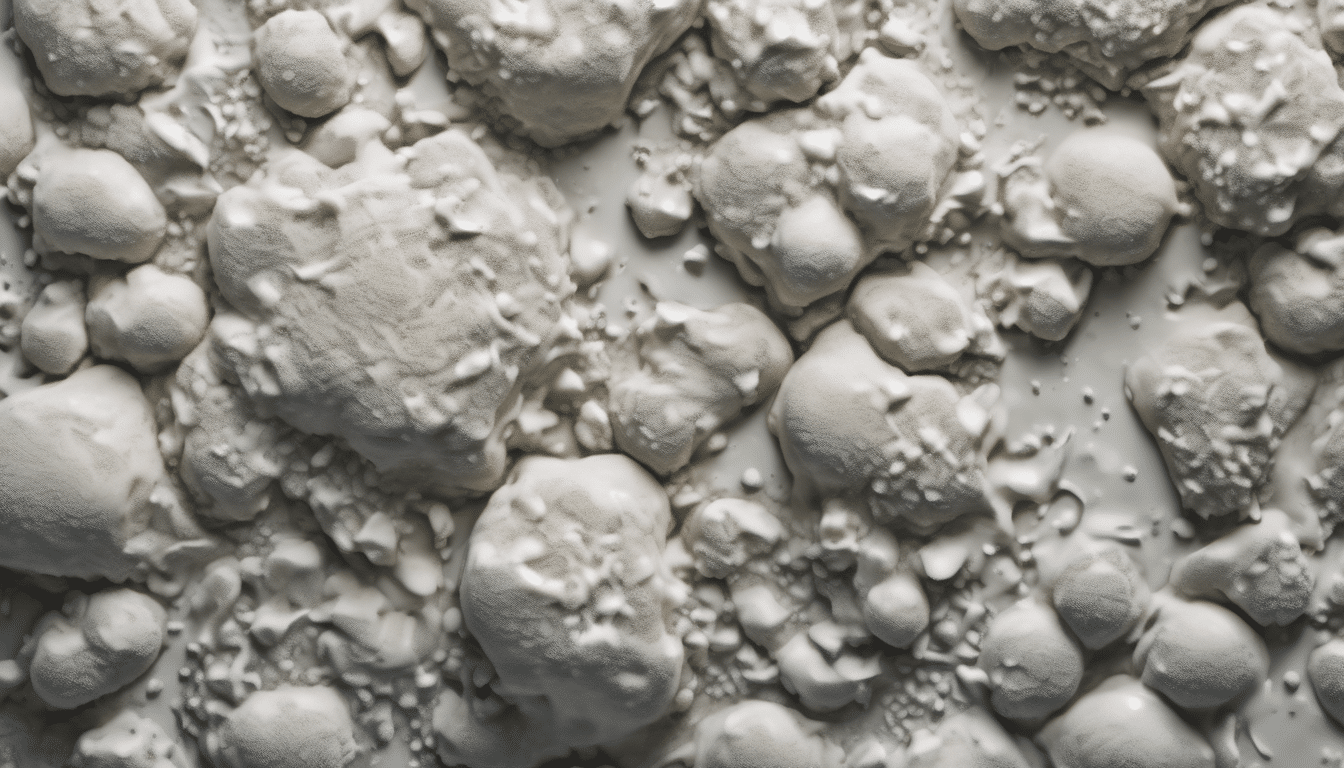
Mold growth on porous materials presents one of the most challenging scenarios for homeowners across the UAE, particularly in humid climates like Dubai and Abu Dhabi. Understanding How to Clean mold from porous materials safely requires recognising both the limitations of cleaning and the specific techniques that can be effective when applied correctly. This comprehensive guide will walk you through the step-by-step process, safety considerations, and essential knowledge needed to address mold on porous surfaces in your home or building.
Many residents in the Emirates encounter mold on drywall, wood, insulation, and other porous materials due to the region’s high humidity levels and air-conditioned environments. Learning how to clean mold from porous materials safely is crucial because improper handling can spread spores throughout your property and potentially exacerbate health concerns. The approach differs significantly from cleaning non-porous surfaces, requiring more careful consideration of material penetration and residual contamination risks.
This guide focuses specifically on how to clean mold from porous materials safely, covering assessment techniques, cleaning methods, and safety protocols tailored to UAE conditions. We’ll explore when cleaning is appropriate versus when replacement becomes necessary, and provide practical steps you can implement while maintaining proper safety standards. Whether you’re dealing with a small patch or a more extensive issue, understanding these principles will help you make informed decisions about mold remediation in your property.
Understanding How to Clean Mold from Porous Materials Safely Begins With Material Knowledge
Porous materials include drywall, wood, insulation, concrete, carpet, and upholstery—substances that contain tiny pores, holes, or voids that can absorb moisture and trap mold structures deep within their matrix. Understanding how to clean mold from porous materials safely requires recognising that mold doesn’t just grow on the surface but extends microscopic roots (hyphae) deep into the material. This penetration makes complete removal challenging and sometimes impossible without damaging the material itself.
In UAE homes, the most commonly affected porous materials are gypsum drywall (plasterboard), wooden skirting boards, ceiling tiles, and insulation within wall cavities. The region’s combination of high outdoor humidity and air-conditioned interiors creates perfect conditions for condensation, which leads to mold penetrating these materials. When considering how to clean mold from porous materials safely, you must first assess the depth of penetration, which determines whether cleaning is feasible or replacement becomes necessary.
The porosity level varies significantly between materials. Drywall, for instance, is highly porous and absorbs moisture readily, allowing mold to penetrate deeply within days of water exposure. Solid wood, while still porous, may allow for more effective surface cleaning if the mold hasn’t penetrated beyond the first few millimetres. Understanding these material characteristics is fundamental to learning how to clean mold from porous materials safely and effectively.
Safety Preparation and Equipment for How to Clean Mold from Porous Materials Safely
Before attempting how to clean mold from porous materials safely, proper safety preparation is absolutely essential. Mold disturbance releases spores and microscopic particles into the air, which can be inhaled and cause health issues, particularly for sensitive individuals. The minimum safety equipment includes N95 or P100 respirators, nitrile gloves, protective goggles, and disposable coveralls. In Dubai and other UAE emirates, this equipment is readily available at hardware stores for approximately AED 150-300 for a complete basic kit.
Containment is another critical aspect of how to clean mold from porous materials safely. For any cleaning beyond very small areas (less than 1 square metre), you should establish containment using plastic sheeting to isolate the work area from the rest of the property. This prevents cross-contamination and protects occupants from exposure. Negative air pressure with HEPA filtration is ideal for larger projects but may require professional equipment costing AED 1,500-4,000 to rent for DIY projects.
Additional equipment for how to clean mold from porous materials safely includes HEPA vacuum cleaners, scrub brushes, spray bottles for cleaning solutions, and disposal bags for contaminated materials. Avoid using ordinary household vacuums as they will simply blow mold spores through the exhaust and spread contamination. Proper preparation ensures that when you begin the actual cleaning process, you’re working safely and effectively without creating additional problems throughout your home.
Step-by-Step Process for How to Clean Mold from Porous Materials Safely
The actual process of how to clean mold from porous materials safely follows a systematic approach that minimizes spore release and maximizes effectiveness. Begin by lightly misting the affected area with water to suppress spores before disturbance—this simple step is crucial for safety. Then use a HEPA vacuum to remove loose spores from the surface, working methodically across the entire affected area while being careful not to press too hard and drive spores deeper into the material.
For the cleaning phase of how to clean mold from porous materials safely, prepare a cleaning solution of detergent and water (approximately 100ml of mild detergent per 4 litres of water). Avoid bleach solutions for porous materials, as bleach cannot penetrate to kill mold roots and can actually worsen the situation by adding moisture. Scrubbing should be done gently with a soft brush to avoid damaging the material surface while still removing the surface mold growth. For more stubborn growth, specialised antimicrobial solutions designed for porous materials may be more effective.
After scrubbing, the rinsing and drying phases complete the process of how to clean mold from porous materials safely. Use a damp cloth to wipe away cleaning residue, then allow the material to dry completely—this typically takes 24-72 hours in UAE climates with proper ventilation. Use moisture meters to verify that the material has returned to acceptable dryness levels (below 16% moisture content for wood, below 12% for drywall) before considering the cleaning process complete.
When to Clean Versus Replace in How to Clean Mold from Porous Materials Safely
A critical decision point in how to clean mold from porous materials safely is determining when cleaning is appropriate versus when replacement becomes necessary. As a general rule, porous materials that have been wet for more than 48-72 hours or show visible mold growth covering more than 1 square metre typically require replacement rather than cleaning. The structural integrity of the material and depth of mold penetration are more important factors than the visible surface area alone.
Drywall particularly demonstrates the limitations of how to clean mold from porous materials safely. When mold penetrates beyond the paper surface into the gypsum core, complete removal becomes impossible without damaging the structural integrity of the material. In such cases, replacement is the only safe option. Similarly, insulation materials cannot be effectively cleaned once contaminated and must be replaced. Wood may be salvageable if the mold hasn’t penetrated deeply and the structural integrity remains intact.
In UAE properties, the high humidity environment often accelerates mold penetration, making replacement more frequently necessary than in drier climates. When considering how to clean mold from porous materials safely, err on the side of replacement when there’s any doubt about penetration depth or material integrity. The cost of replacement (typically AED 50-150 per square metre for drywall including installation) is often justified by the assurance of complete mold removal rather than attempting questionable cleaning methods.
Post-Cleaning Verification in How to Clean Mold from Porous Materials Safely
Verification is an essential but often overlooked component of how to clean mold from porous materials safely. After cleaning, you must confirm that mold levels have returned to normal and that moisture problems have been resolved. Visual inspection alone is insufficient—you should use moisture meters to verify that materials have dried completely and consider surface sampling or air testing to confirm mold spore reduction.
For DIY approaches to how to clean mold from porous materials safely, moisture meters are the most accessible verification tool, available at hardware stores for AED 200-600. Professional verification may involve surface sampling (tape lifts or swabs) analyzed by microbiology laboratories to confirm that mold structures have been effectively removed. In Dubai, laboratory analysis typically costs AED 300-800 per sample and provides scientific confirmation of cleaning effectiveness.
Long-term prevention completes the process of how to clean mold from porous materials safely. Addressing the underlying moisture source is absolutely critical—otherwise, mold will simply return. In UAE properties, this often means repairing leaking pipes, improving ventilation, addressing condensation issues, or installing dehumidification systems. Without resolving the moisture problem, any cleaning represents only a temporary solution at best.
DIY Limitations and When to Seek Professional Help for How to Clean Mold from Porous Materials Safely
Understanding the limitations of DIY approaches is part of learning how to clean mold from porous materials safely. While small, surface-level mold patches (less than 1 square metre) on porous materials can often be addressed by knowledgeable homeowners, larger areas or deeply penetrated mold typically require professional intervention. Professionals bring industrial-grade equipment, advanced techniques, and scientific verification methods that exceed typical DIY capabilities.
In the UAE context, professional mold remediation for porous materials typically costs between AED 1,500-8,000 depending on the extent of contamination and materials involved. This investment often proves worthwhile when considering the health risks of incomplete removal and the potential for recurrent problems with DIY approaches. Professionals also properly handle disposal of contaminated materials, which requires special procedures to prevent cross-contamination.
You should particularly seek professional help for how to clean mold from porous materials safely when the affected area exceeds 3 square metres, when mold returns after previous cleaning attempts, when occupants experience health symptoms, or when the mold is located in HVAC systems or other complex building components. Professionals also have access to more effective antimicrobial agents specifically formulated for porous materials that aren’t available to consumers.
Expert Tips for How to Clean Mold from Porous Materials Safely
Based on two decades of field experience in UAE properties, here are essential expert tips for how to clean mold from porous materials safely: First, always address the moisture source before attempting any cleaning—otherwise you’re treating symptoms rather than the cause. Second, when in doubt about penetration depth, assume replacement is necessary rather than attempting questionable cleaning methods.
Third, invest in proper personal protective equipment—this isn’t an area for shortcuts. Fourth, consider the hidden contamination—what you see on the surface often represents only a fraction of the actual mold presence. Fifth, for valuable or sentimental porous items (like wooden furniture), consult restoration specialists rather than attempting DIY methods that might cause irreversible damage.
Sixth, be patient with the drying process—rushing this step almost guarantees mold recurrence. Seventh, document your process with photographs and notes, particularly if you might need to make insurance claims. Finally, recognise that some materials simply cannot be effectively cleaned once mold has penetrated beyond the surface, and replacement becomes the only truly safe option.
Frequently Asked Questions About How to Clean Mold from Porous Materials Safely
Can bleach effectively clean mold from porous materials?
No, bleach is not recommended for how to clean mold from porous materials safely. Bleach cannot penetrate porous materials to reach the root structures, and its high water content can actually worsen moisture problems. Professional mold remediation uses specialised antimicrobial agents designed for porous materials.
How long does it take to properly clean mold from porous materials?
The process of how to clean mold from porous materials safely typically takes 2-5 days, with most of that time dedicated to thorough drying. Rushing the drying process is a common mistake that leads to mold recurrence. Proper moisture verification is essential before considering the job complete.
What are the health risks of improperly cleaned porous materials?
Improper cleaning can disperse mold spores throughout your property, potentially exacerbating respiratory issues, allergies, and other health concerns. Incomplete removal also allows mold to continue growing undetected within materials, creating ongoing exposure risks for occupants.
Successfully learning how to clean mold from porous materials safely requires understanding both the techniques and the limitations of cleaning approaches. While small, surface-level mold on porous materials can sometimes be addressed with careful cleaning, more extensive or deeply penetrated mold typically requires replacement by professionals. The UAE’s climate conditions make moisture control particularly important for preventing recurrence after cleaning. By following these guidelines and knowing when to seek professional assistance, you can effectively address mold on porous materials while protecting both your property and your health.