
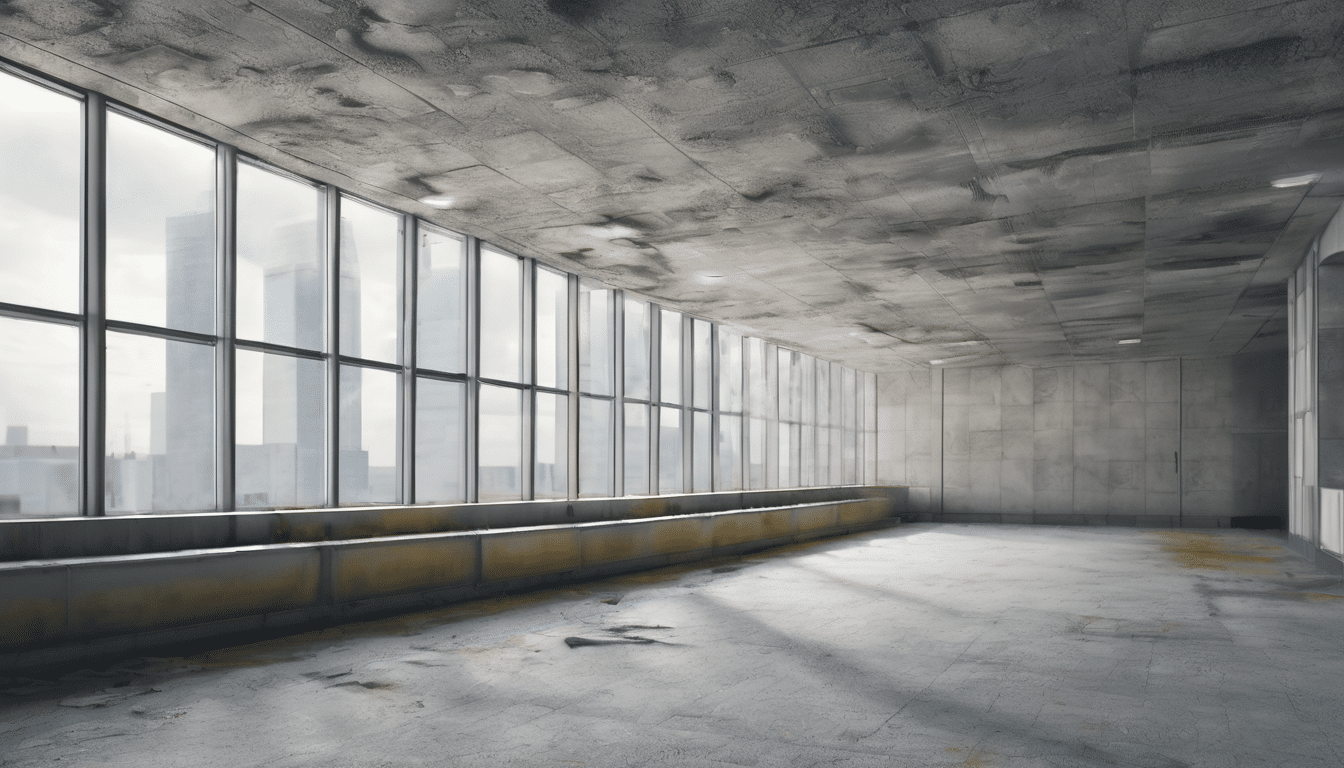
Understanding Hidden Mold Detection Methods For Large Buildings is essential. Hidden mold in large buildings presents significant challenges for property managers and facility teams across the UAE. Unlike residential properties, commercial buildings feature complex HVAC systems, extensive wall cavities, and multiple moisture sources that can conceal mold growth for months or even years. The unique climate conditions in Dubai and other Emirates, with high humidity levels and constant air conditioning usage, create ideal environments for hidden mold development behind walls, above ceilings, and within ventilation systems.
Effective hidden mold detection methods for large buildings require specialised equipment, trained professionals, and systematic approaches. Property managers overseeing shopping centres, office towers, hotels, and industrial facilities need to understand these techniques to protect their investments and maintain healthy indoor environments. This guide covers the most effective hidden mold detection methods for large buildings currently used by professional inspection teams throughout the UAE.
Understanding these hidden mold detection methods for large buildings is crucial for early intervention and cost-effective remediation. When left undetected, hidden mold can cause structural damage, trigger health complaints from occupants, and lead to expensive remediation projects. The following sections detail the professional approaches and technologies that deliver reliable results for commercial property management.
Hidden Mold Detection Methods For Large Buildings – Thermal Imaging for Hidden Mold Detection
Thermal imaging represents one of the most advanced hidden mold detection methods for large buildings available to property managers. These infrared cameras detect temperature variations that indicate moisture presence behind walls, under floors, or above ceilings. In Dubai’s climate, where temperature differentials between air-conditioned interiors and external environments can exceed 20°C, thermal imaging effectively identifies condensation points and hidden water intrusion.
Professional inspectors use thermal cameras to scan large areas quickly, identifying anomalies that warrant further investigation. The technology detects temperature differences as small as 0.1°C, making it exceptionally sensitive to moisture patterns that often precede mold growth. This non-invasive approach allows teams to assess potential problem areas without destructive testing, saving time and reducing investigation costs for large commercial properties.
Thermal imaging works particularly well for identifying hidden mold detection methods for large buildings with complex HVAC systems. Cooling coils, ductwork, and air handling units often develop condensation issues that lead to hidden mold growth. Infrared surveys can pinpoint these problem areas before visible mold appears, enabling preventive maintenance that avoids larger remediation projects. Regular thermal imaging surveys form an essential part of proactive building maintenance programmes throughout the UAE.
Hidden Mold Detection Methods For Large Buildings: Moisture Mapping Techniques
Moisture mapping provides systematic documentation of humidity levels throughout large buildings, serving as critical hidden mold detection methods for large buildings. Professional inspectors use precision moisture meters with deep penetration capabilities to measure moisture content in building materials. These tools detect elevated moisture levels in concrete slabs, drywall, insulation, and structural elements where mold may be developing unseen.
Advanced moisture mapping involves creating detailed floor plans that document moisture readings at systematic intervals. This approach identifies patterns that indicate plumbing leaks, roof leaks, or condensation issues affecting multiple areas. In large commercial buildings, moisture mapping helps prioritise investigation areas and guides targeted destructive testing when necessary. The process typically costs between AED 2,500-7,500 depending on building size and complexity.
Digital moisture mapping systems integrate with building management software, allowing facility teams to track changes over time. This longitudinal data helps identify seasonal patterns, such as increased moisture during Dubai’s humid summer months, and correlates with HVAC performance metrics. By establishing baseline moisture levels and monitoring deviations, property managers can implement early interventions before hidden mold becomes established.
Hidden Mold Detection Methods For Large Buildings – Air Quality Testing and Analysis
Air quality testing forms a fundamental component of hidden mold detection methods for large buildings, particularly for assessing airborne spore levels that indicate hidden colonization. Professional inspectors use calibrated air pumps to collect samples from multiple locations throughout a building, including supply and return air vents, occupied spaces, and potential problem areas. These samples undergo laboratory analysis to identify mold species and concentration levels.
Comparing indoor and outdoor air samples helps determine whether elevated spore counts originate from internal sources. This comparative analysis is especially important in UAE cities like Dubai and Abu Dhabi, where desert dust and outdoor spores naturally occur. Air testing identifies hidden mold detection methods for large buildings by revealing spore types that typically grow in damp, concealed environments rather than originating from outdoor sources.
Strategic air sampling near suspected problem areas, such as below raised floors, above suspended ceilings, or within mechanical rooms, provides targeted data about hidden mold presence. HVAC system sampling is particularly valuable since air handling units can distribute spores throughout large buildings from a single hidden source. Professional air quality assessments typically range from AED 3,000-9,000 depending on the number of samples required and building size.
Borescope Inspection Methods
Borescope inspection offers minimally invasive hidden mold detection methods for large buildings by providing visual access to concealed spaces. These flexible fiber-optic cameras fit through small openings (typically 6-12mm) in walls, ceilings, and flooring systems, allowing inspectors to view conditions within cavities without significant demolition. The technology provides real-time video footage of potential mold growth, moisture damage, and construction defects.
Modern borescopes feature high-definition cameras, built-in lighting, and measurement capabilities that document findings objectively. inspectors can capture images and video clips as evidence, creating visual documentation for reports and remediation planning. This approach significantly reduces the guesswork in hidden mold detection methods for large buildings by providing direct visual confirmation before committing to destructive testing.
Borescope inspections prove particularly valuable for assessing difficult-to-access areas in large commercial buildings, including behind fixed paneling, within partition walls, and above suspended ceilings. The technology helps verify findings from thermal imaging and moisture mapping, providing multi-method confirmation that increases investigation reliability. Borescope services typically cost AED 1,500-4,000 per day depending on equipment requirements and building complexity.
Professional Mold Assessment
Comprehensive professional assessment integrates multiple hidden mold detection methods for large buildings into a systematic investigation protocol. Certified indoor environmental consultants in the UAE follow established standards that combine visual inspection, moisture assessment, air testing, and targeted sampling. This holistic approach ensures no single method’s limitations compromise the overall investigation quality.
Professional assessors document building history, maintenance records, and occupant complaints to identify patterns suggesting hidden mold locations. They examine construction details specific to UAE buildings, such as external insulation finishes, curtain wall systems, and rooftop cooling towers, which present unique moisture management challenges. This contextual understanding enhances the effectiveness of hidden mold detection methods for large buildings throughout the region.
The assessment process includes evaluating HVAC systems, plumbing infrastructure, and building envelope performance—all common sources of hidden moisture in commercial properties. Professionals correlate findings with building usage patterns, identifying areas with elevated humidity due to occupant density, processes, or ventilation shortcomings. Comprehensive assessments typically range from AED 8,000-20,000 depending on building size, complexity, and testing requirements.
Building Material Testing
Building material testing provides definitive confirmation in hidden mold detection methods for large buildings through laboratory analysis of suspected materials. inspectors collect samples using sterile techniques from areas identified through other detection methods, including swabs, tape lifts, and bulk samples. These samples undergo microscopic analysis and sometimes DNA-based testing to identify mold species and concentration levels.
Material testing proves particularly valuable for determining whether discoloration or suspected growth actually represents active mold colonization. This distinction is crucial for appropriate remediation planning and resource allocation. Laboratory analysis also identifies specific mold species, which helps assess potential health risks and determine appropriate containment levels during remediation.
In large buildings with extensive surface areas, strategic sampling focuses on materials with known susceptibility to hidden mold growth, including gypsum board, insulation, ceiling tiles, and carpet underlay. Testing these materials provides objective data about the extent of contamination and helps establish clear remediation boundaries. Material testing costs typically range from AED 400-1,200 per sample depending on analysis type and turnaround requirements.
Preventive Monitoring Systems
Preventive monitoring systems represent the future of hidden mold detection methods for large buildings through continuous environmental tracking. Wireless sensor networks monitor temperature, humidity, and moisture levels throughout buildings, alerting facility teams to conditions conducive to mold growth before colonization occurs. These systems provide real-time data accessible through cloud-based platforms, enabling proactive maintenance responses.
Advanced systems incorporate analytics that identify patterns and predict potential problem areas based on historical data and building characteristics. In UAE commercial properties, where air conditioning operates continuously for most of the year, these systems help optimize HVAC performance to maintain humidity levels below the 60% threshold that typically encourages mold growth. Installation costs for comprehensive monitoring systems range from AED 15,000-50,000 depending on building size and sensor density.
Integrated monitoring combines environmental sensors with building management systems, creating automated responses to elevated moisture conditions. These systems can activate additional dehumidification, adjust ventilation rates, or alert maintenance teams to investigate specific areas. This proactive approach represents the most advanced application of hidden mold detection methods for large buildings, potentially saving substantial remediation costs over time.
Expert Tips for Effective Detection
Implementing effective hidden mold detection methods for large buildings requires strategic planning and professional expertise. These practical tips help property managers optimize their detection efforts and make informed decisions about investigation priorities.
First, focus investigation resources on high-risk areas identified through building history and occupant feedback. Areas with previous water damage, chronic humidity issues, or occupant health complaints typically warrant priority assessment. Second, combine multiple detection methods rather than relying on single approaches—thermal imaging guides moisture mapping, which guides targeted sampling, creating a systematic investigation process.
Third, document all findings comprehensively, including photographs, moisture readings, and laboratory reports. This documentation supports informed remediation decisions and provides baseline data for future comparisons. Fourth, consider seasonal variations in detection planning—conduct assessments during Dubai’s humid summer months when hidden moisture issues become most apparent through condensation patterns.
Finally, invest in staff training for basic detection techniques, enabling early identification of potential issues between professional assessments. Training maintenance teams to recognize musty odours, visible water stains, and condensation patterns creates an additional detection layer that complements professional hidden mold detection methods for large buildings.
Frequently Asked Questions
How often should large buildings undergo professional mold detection assessments?
Commercial properties in the UAE should undergo comprehensive assessments annually, with targeted checks every six months in high-risk areas. Buildings with previous water damage or ongoing humidity issues may require quarterly monitoring until conditions stabilise.
What are the most common hidden mold locations in UAE commercial buildings?
Common hidden mold locations include behind wall coverings in high-humidity areas, above suspended ceilings near cooling units, within HVAC systems and ductwork, under raised floors with plumbing, and behind external cladding systems where condensation occurs.
Can building management staff perform basic hidden mold detection?
Trained staff can perform visual inspections, moisture meter readings, and basic odor detection, but comprehensive hidden mold detection methods for large buildings require professional equipment and expertise for reliable results, particularly for air quality testing and thermal imaging.
How much should property managers budget for professional detection services?
Budget between AED 10,000-25,000 annually for comprehensive hidden mold detection services in large commercial buildings, depending on property size, complexity, and risk factors. This investment typically identifies issues early, preventing far costlier remediation projects.
Conclusion
Effective hidden mold detection methods for large buildings require a multi-faceted approach combining advanced technology, professional expertise, and systematic investigation protocols. In the UAE’s challenging climate, where high humidity and continuous air conditioning create ideal conditions for concealed mold growth, property managers must implement comprehensive detection strategies to protect their assets and occupants.
The most successful programmes integrate regular professional assessments with continuous monitoring systems, creating layered detection that identifies issues at the earliest possible stage. By understanding these hidden mold detection methods for large buildings and implementing them systematically, facility managers throughout Dubai and other Emirates can maintain healthier indoor environments while avoiding costly remediation projects through early intervention and preventive maintenance.