
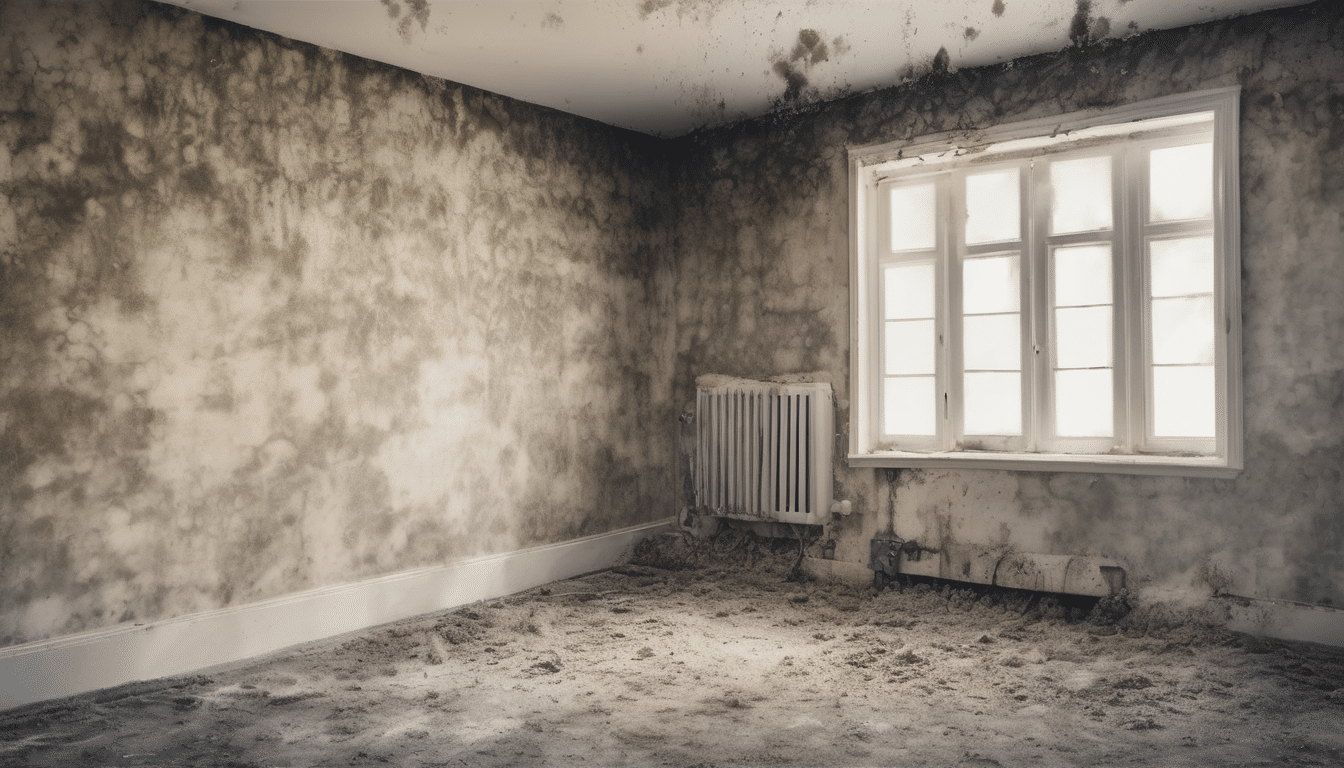
Many property owners in Dubai and across the UAE believe that once visible mold has been removed, the remediation process is complete. This common misconception can lead to ongoing health issues and recurring mold problems. Understanding Why Air Cleaning is essential after mold remediation represents a critical gap in most property owners’ knowledge about proper mold management.
The reality is that mold remediation without comprehensive air cleaning often leaves behind invisible contaminants that continue to affect indoor air quality and occupant health. In our investigations throughout the UAE, we consistently find that properties with recurrent mold issues or ongoing health complaints share one common factor: inadequate air cleaning following the initial remediation work. This relates directly to Why Air Cleaning Is Essential After Mold Remediation.
This comprehensive guide will explore the scientific reasons why air cleaning is essential after mold remediation, the health implications of neglecting this crucial step, and the proper methods for ensuring complete contaminant removal. Whether you’re dealing with mold in your Dubai apartment, Abu Dhabi villa, or Sharjah commercial property, this information will help you understand what truly constitutes complete mold remediation.
Understanding Why Air Cleaning is Essential After Mold Remediation
The fundamental reason why air cleaning is essential after mold remediation lies in the nature of mold contamination itself. Mold exists in three states: visible growth on surfaces, hidden growth within materials, and airborne spores and fragments circulating throughout the indoor environment. Traditional remediation focuses primarily on removing visible growth, but this addresses only one aspect of the contamination.
During remediation activities, the physical disturbance of mold colonies inevitably releases millions of microscopic spores into the air. These spores can remain suspended for hours or even days, settling on surfaces throughout the property. Without proper air cleaning, these residual spores create two significant problems: they continue to expose occupants to allergens and toxins, and they serve as seed material for new growth when conditions become favourable again.
In the UAE’s climate, where air conditioning systems run continuously and buildings remain tightly sealed, airborne spores can circulate extensively throughout the indoor environment. This makes understanding why air cleaning is essential after mold remediation particularly important for Middle Eastern properties. The combination of high outdoor humidity and cool indoor temperatures creates ideal conditions for mold regrowth if spores remain present after remediation.
Why Air Cleaning Is Essential After Mold Remediation – The Invisible Threat of Airborne Mold Spores
Airborne mold spores represent the most persistent form of contamination after remediation. These microscopic particles, typically measuring 2-10 microns in size, can remain suspended in indoor air for extended periods. Their small size allows them to bypass the respiratory system’s natural defences and penetrate deep into the lungs, making them particularly concerning from a health perspective. When considering Why Air Cleaning Is Essential After Mold Remediation, this becomes clear.
The concentration of airborne spores typically increases dramatically during remediation work. Studies have shown that spore levels can increase by 100 to 1,000 times during active mold removal. This spike occurs because physical removal methods – scraping, brushing, and vacuuming – inevitably aerosolize mold particles. Without comprehensive air cleaning, these elevated spore levels can persist long after visible removal is complete.
Another often overlooked aspect is that mold fragments – broken pieces of hyphae and cellular material – can become airborne alongside intact spores. These fragments often carry higher concentrations of allergens and mycotoxins than whole spores, making them potentially more problematic from a health standpoint. This is precisely why air cleaning is essential after mold remediation – to capture these invisible but harmful particles.
Why Air Cleaning Is Essential After Mold Remediation – Health Risks of Inadequate Air Cleaning
The health implications of skipping proper air cleaning after mold remediation can be significant and long-lasting. Residents may continue experiencing symptoms despite visible mold removal, leading to frustration and unnecessary repeated remediation attempts. Common health issues associated with residual airborne contamination include persistent respiratory problems, allergic reactions, and exacerbation of asthma symptoms. The importance of Why Air Cleaning Is Essential After Mold Remediation is evident here.
In sensitive individuals, particularly children, elderly residents, or those with compromised immune systems, exposure to residual airborne spores can trigger serious health responses. These range from chronic sinus infections and bronchitis to more severe systemic reactions in highly sensitive individuals. The continuous low-level exposure that occurs when air cleaning is neglected often proves more problematic than short-term high-level exposure.
Many residents in Dubai and Abu Dhabi report ongoing health issues after what they believed was successful mold remediation. In most cases, our investigations reveal that inadequate air cleaning left behind airborne contaminants that continued to affect indoor air quality. This pattern demonstrates why air cleaning is essential after mold remediation from both a health protection and cost-effectiveness perspective.
Proper Air Cleaning Methods and Technologies
Effective air cleaning after mold remediation requires specialised equipment and techniques. Standard household air purifiers are typically insufficient for post-remediation air cleaning because they lack the capacity to handle the high concentrations of contaminants generated during removal work. Professional-grade equipment includes HEPA air scrubbers, negative air machines, and specialised filtration systems designed specifically for contaminant removal. Understanding Why Air Cleaning Is Essential After Mold Remediation helps with this aspect.
HEPA (High-Efficiency Particulate Air) filtration represents the gold standard for post-remediation air cleaning. True HEPA filters capture 99.97% of particles as small as 0.3 microns, effectively removing mold spores, fragments, and other allergens from the air. These systems should operate continuously throughout the remediation process and for a specified period afterward to ensure complete air purification.
Additional technologies that enhance air cleaning effectiveness include carbon filtration for odour and chemical removal, UV-C light systems for microbial control, and air exchange systems that introduce filtered fresh air while exhausting contaminated air. The specific combination of technologies used should be tailored to the particular contamination situation and building characteristics.
Timing and Sequence of Air Cleaning Process
The timing of air cleaning activities significantly impacts their effectiveness. Air cleaning should begin before remediation work starts and continue throughout the process and afterward. Pre-remediation air cleaning helps establish baseline conditions and contains contaminants within the work area. During remediation, continuous air cleaning captures particles as they become airborne, preventing their spread to uncontaminated areas. Why Air Cleaning Is Essential After Mold Remediation factors into this consideration.
Post-remediation air cleaning typically continues for 24-72 hours after physical removal is complete. This extended operation allows sufficient time for airborne particles to be captured and for any settled dust to be disturbed, captured, and removed. The duration depends on factors including the extent of contamination, room size, airflow patterns, and the equipment being used.
The sequence of operations also matters greatly. Air cleaning should continue during and after final cleaning activities, as wiping surfaces and vacuuming can reintroduce particles into the air. Only after air quality measurements confirm acceptable levels should air cleaning equipment be removed. This systematic approach ensures complete contaminant removal.
DIY vs Professional Air Cleaning Approaches
Many property owners consider handling air cleaning themselves to save costs, but this approach carries significant risks. DIY air cleaning typically relies on consumer-grade air purifiers that lack the capacity and efficiency needed for proper post-remediation air cleaning. These units may temporarily reduce airborne particles but cannot achieve the comprehensive cleaning required after mold remediation. This relates directly to Why Air Cleaning Is Essential After Mold Remediation.
Professional air cleaning services bring several critical advantages: industrial-grade equipment with much higher air exchange rates, proper containment strategies to prevent cross-contamination, and expertise in equipment placement for optimal effectiveness. Professionals also conduct pre- and post-cleaning air quality testing to verify results, providing objective evidence that the air cleaning has been effective.
The cost difference between DIY and professional air cleaning often proves smaller than expected when considering the risks of inadequate cleaning. Repeated remediation costs, ongoing health issues, and potential property damage from recurrent mold growth typically far exceed the investment in professional air cleaning services. For most situations, professional intervention represents the wiser choice.
Verification and Testing Methods
Proper verification through air quality testing provides the only objective method for determining whether air cleaning has been successful. Visual inspection alone cannot confirm that airborne spore levels have returned to acceptable concentrations. Professional verification typically involves air sampling using spore trap collectors or impaction methods followed by laboratory analysis. When considering Why Air Cleaning Is Essential After Mold Remediation, this becomes clear.
Air testing should compare indoor levels with outdoor baseline measurements to determine whether elevated spore levels persist indoors. The specific criteria for acceptable air quality vary depending on the mold species present, the building type, and occupant sensitivity. Generally, indoor spore levels should approximate outdoor levels and should not show significant elevation of the species that were remediated.
Additional verification methods include surface sampling to confirm that settled spores have been removed and moisture testing to ensure that conditions conducive to mold growth have been eliminated. This comprehensive verification approach ensures that all aspects of the contamination have been addressed, not just the visible growth.
UAE Climate Considerations for Air Cleaning
The unique climate conditions in the UAE make proper air cleaning after mold remediation particularly important. High outdoor humidity levels, often exceeding 80-90% during summer months, combine with aggressively air-conditioned interiors to create perfect conditions for mold growth if spores remain present. The temperature differential between outdoor and indoor environments frequently causes condensation issues that can trigger mold growth from residual spores. The importance of Why Air Cleaning Is Essential After Mold Remediation is evident here.
UAE building construction methods also influence air cleaning requirements. Tightly sealed buildings designed for energy efficiency can trap airborne contaminants indoors, allowing them to circulate through HVAC systems and affect entire buildings. Modern construction materials, particularly drywall and insulation, provide ideal substrates for mold growth when moisture is present.
Air cleaning strategies must account for these regional factors. This includes ensuring that HVAC systems are properly cleaned and treated during remediation, addressing humidity control issues, and considering the specific building materials common in UAE construction. These considerations make understanding why air cleaning is essential after mold remediation particularly relevant for Middle Eastern properties.
Cost and Investment Perspective
Some property owners view air cleaning as an unnecessary additional expense rather than an essential component of complete remediation. This perspective often proves shortsighted when considering the potential costs of inadequate air cleaning. Repeated remediation expenses, healthcare costs from ongoing exposure, and potential property devaluation typically far exceed the investment in proper air cleaning. Understanding Why Air Cleaning Is Essential After Mold Remediation helps with this aspect.
Professional air cleaning services in the UAE typically range from AED 1,500 to AED 5,000 depending on the property size and contamination extent. While this represents a significant investment, it should be weighed against the cost of potential health issues, repeated remediation attempts, and possible structural damage from recurrent mold growth. In most cases, the one-time investment in proper air cleaning proves more economical than repeated partial solutions.
Many insurance companies now recognise the importance of proper air cleaning and may cover these costs when included as part of a comprehensive remediation plan. Property owners should consult their insurance providers and maintain detailed documentation of all remediation and air cleaning activities to support potential claims.
Long-Term Maintenance Strategies
Proper air cleaning after mold remediation should be followed by long-term maintenance strategies to prevent recurrence. These include regular HVAC maintenance, humidity control measures, and periodic air quality monitoring. In the UAE’s climate, maintaining indoor relative humidity below 60% represents the single most important preventive measure against mold recurrence. Why Air Cleaning Is Essential After Mold Remediation factors into this consideration.
Ongoing air quality management might include the use of high-quality air purifiers in problem areas, regular HVAC filter changes, and periodic professional air quality assessments. Properties with previous mold issues or occupants with sensitivity concerns may benefit from continuous air monitoring systems that alert residents to changing conditions.
Education represents another critical component of long-term success. Property owners should understand the signs of potential mold issues, proper ventilation practices, and when to seek professional assessment. This knowledge empowers residents to maintain healthy indoor environments and address potential problems before they require major remediation.
Expert Tips for Effective Air Cleaning
Based on two decades of field experience in the UAE, these expert tips can help ensure successful air cleaning after mold remediation: This relates directly to Why Air Cleaning Is Essential After Mold Remediation.
- Always conduct pre- and post-remediation air testing to establish baselines and verify results
- Use professional-grade HEPA filtration equipment rather than consumer air purifiers
- Continue air cleaning for at least 24-48 hours after visible remediation is complete
- Ensure proper equipment placement to achieve optimal air circulation and filtration
- Address HVAC system contamination simultaneously with room air cleaning
- Maintain negative pressure in the work area during remediation to prevent cross-contamination
- Combine air cleaning with thorough surface cleaning to remove settled spores
- Document all air cleaning activities and results for future reference
Frequently Asked Questions
How long should air cleaning continue after mold remediation?
Professional air cleaning should continue for 24-72 hours after physical mold removal is complete. The exact duration depends on factors including the extent of contamination, room size, and equipment capacity. Air quality testing should confirm acceptable levels before discontinuing air cleaning.
Can I use regular air purifiers for post-remediation air cleaning?
Consumer-grade air purifiers are generally insufficient for post-remediation air cleaning. They lack the capacity to handle the high contaminant levels and cannot achieve the rapid air exchange rates needed. Professional HEPA air scrubbers are specifically designed for this purpose.
What is the cost of professional air cleaning in the UAE?
Professional air cleaning services in Dubai and other Emirates typically range from AED 1,500 to AED 5,000 depending on property size and contamination extent. This investment proves cost-effective when considering the potential expenses of inadequate cleaning and recurrent mold issues.
Conclusion
Understanding why air cleaning is essential after mold remediation represents a critical aspect of successful indoor environmental management. The invisible nature of airborne mold spores and fragments means that visual inspection alone cannot confirm complete contaminant removal. Proper air cleaning using professional equipment and techniques ensures that these residual particles are effectively removed, protecting occupant health and preventing recurrence.
In the UAE’s unique climate, where humidity and air conditioning create ideal conditions for mold growth, comprehensive air cleaning becomes even more important. Property owners should view air cleaning not as an optional extra but as an essential component of complete mold remediation. The relatively modest investment in professional air cleaning services typically proves far more economical than the potential costs of ongoing health issues and repeated remediation attempts. Understanding Why Air Cleaning Is Essential After Mold Remediation is key to success in this area.