
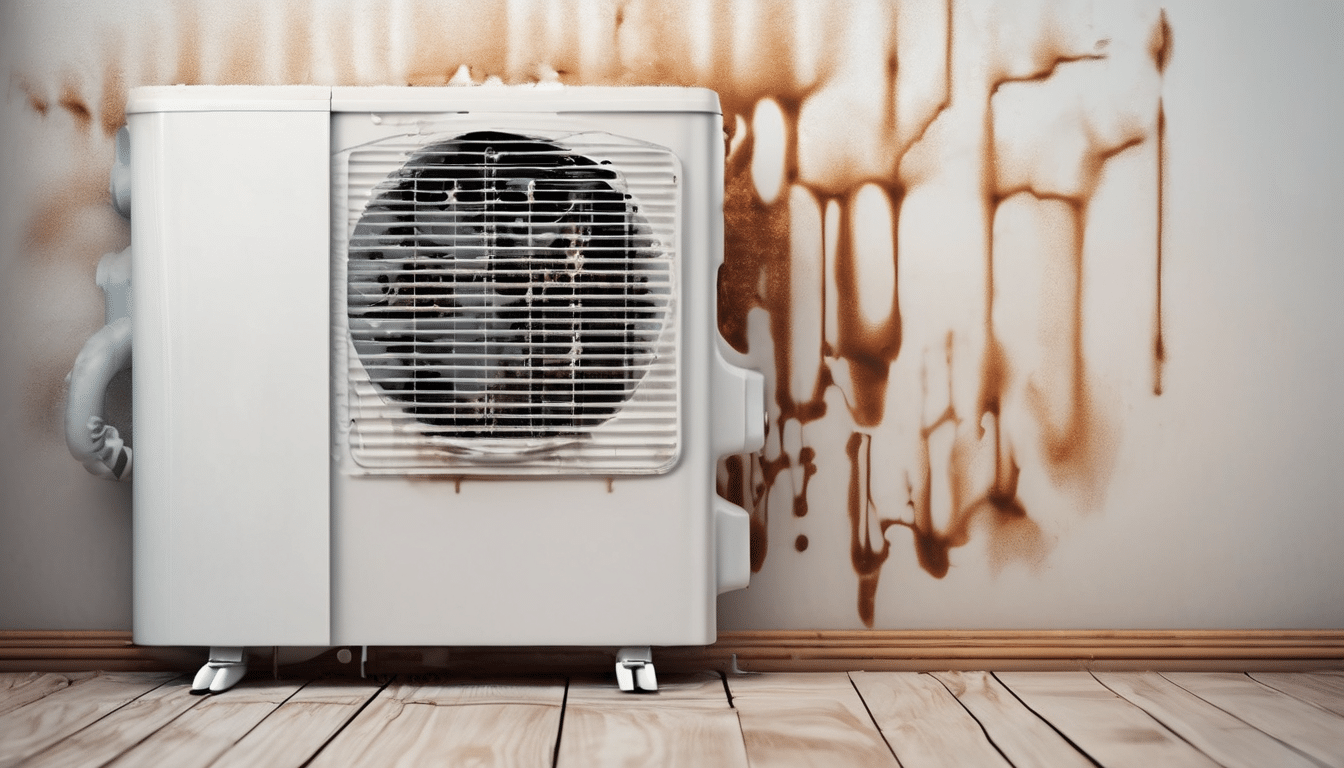
When air conditioning units leak in rental properties across Dubai and the UAE, the resulting moisture can create ideal conditions for mold growth within 24-48 hours. As someone who has investigated hundreds of AC-related mold cases in Dubai properties, I’ve seen how quickly these situations escalate when landlords fail to respond promptly. Understanding How Long Landlords have to fix AC leak mold problems is essential for protecting both tenant health and property value.
The urgency of AC leak mold problems cannot be overstated. In Dubai’s humid climate, where indoor temperatures are maintained at 22-24°C while outdoor temperatures soar above 40°C, the temperature differential creates perfect conditions for condensation and subsequent mold growth. When landlords delay repairs, what begins as a simple AC leak can transform into extensive mold contamination requiring costly remediation. This relates directly to How Long Landlords Have To Fix Ac Leak Mold Problems.
<h2 id="legal-timeframes-uae”>How Long Landlords Have To Fix Ac Leak Mold Problems – Legal Timeframes for Landlord Response in the UAE
Under UAE rental law, specifically Law No. 26 of 2007 and subsequent amendments, landlords must respond to maintenance issues within reasonable timeframes. For AC leak mold problems, which constitute health and safety hazards, the legal requirements are more stringent than routine maintenance requests.
Emergency repairs, including active AC leaks that pose immediate health risks, must be addressed within 24-48 hours of notification. This timeframe applies when water is actively leaking and creating conditions for mold growth. How long landlords have to fix AC leak mold problems depends on the severity and immediate risk to occupants.
Non-emergency AC repairs that don’t involve active leaks or existing mold contamination typically must be completed within 7-14 days. However, once mold growth is confirmed, the situation automatically escalates to emergency status due to health implications. Dubai Municipality’s health regulations support this classification, requiring immediate action when mold presents health risks.
Specific Legal Obligations
The Dubai Rental Disputes Centre has established precedents requiring landlords to maintain habitable conditions. AC systems fall under essential services, similar to plumbing and electrical systems. When AC leaks create mold problems, landlords cannot claim these are cosmetic issues or tenant-caused damage without proper investigation.
Documentation from certified indoor environmental consultants becomes crucial in establishing liability and urgency. In our investigations, we’ve found that landlords who respond within the legal timeframes often avoid significant remediation costs and potential legal liability.
How Long Landlords Have To Fix Ac Leak Mold Problems – Emergency vs Routine AC Leak Repairs
Distinguishing between emergency and routine AC repairs significantly impacts how long landlords have to fix AC leak mold problems. Emergency classification triggers immediate response requirements and provides tenants with stronger legal protections.
Active water leaks from AC units automatically qualify as emergencies when they create standing water, damage property contents, or pose slip hazards. The presence of visible mold growth or musty odours further escalates the urgency classification. Temperature extremes in Dubai make AC functionality essential for habitability. When considering How Long Landlords Have To Fix Ac Leak Mold Problems, this becomes clear.
Emergency Indicators
Several factors determine emergency status for AC leak mold problems. Continuous water discharge creating puddles requires immediate attention. Visible mold growth on walls, ceilings, or furnishings indicates biological contamination requiring prompt remediation. Electrical hazards from water near outlets or fixtures create life-safety issues.
Tenant health symptoms potentially related to mold exposure, such as respiratory irritation or allergic reactions, also support emergency classification. Documentation of these symptoms through medical consultation strengthens the tenant’s position when requesting immediate landlord action.
Routine Repair Classification
Minor AC condensation that doesn’t create standing water or visible damage may be classified as routine maintenance. However, in Dubai’s climate, even minor condensation can quickly escalate to mold problems if humidity levels remain elevated above 60%.
Preventive maintenance, such as cleaning condensate drains or replacing filters, falls under routine obligations but should be performed regularly to prevent emergency situations. Landlords who neglect routine maintenance may face liability for resulting emergency repairs.
How Long Landlords Have to Fix AC Leak Mold Problems Documentation
Proper documentation directly influences how long landlords have to fix AC leak mold problems by establishing timelines, severity, and liability. Tenants must provide clear evidence of the problem, while landlords must document their response efforts.
Effective tenant documentation includes timestamped photographs showing the leak location, water damage extent, and any visible mold growth. Digital photos with metadata proving date and time create stronger evidence than printed images. Video documentation capturing active leaks provides compelling proof of urgency.
Written Communication Requirements
All AC leak notifications should be submitted in writing, either through email or registered mail. The communication must describe the problem specifically, including location, duration, and any observed health impacts. Reference to potential mold growth and health risks helps establish urgency.
Tenants should request written acknowledgment of their complaint and proposed timeline for repairs. This creates a documented trail showing landlord awareness and response commitments. How long landlords have to fix AC leak mold problems often depends on their initial response and commitments.
Professional Assessment Documentation
Independent professional assessments provide objective documentation of AC leak severity and mold contamination. These reports establish baseline conditions and recommended remediation timelines. Insurance companies and rental disputes centres rely heavily on professional documentation when determining liability.
Moisture readings, thermal imaging, and air quality testing provide scientific evidence supporting urgent repair needs. Professional reports also establish whether problems result from building defects or maintenance negligence, affecting landlord responsibility timelines.
Understanding Mold Growth Timeline from AC Leaks
The biology of mold growth directly impacts how long landlords have to fix AC leak mold problems before health risks and property damage escalate. Mold spores, naturally present in indoor air, begin colonising wet surfaces within 24-48 hours under optimal conditions.
Dubai’s climate creates particularly favourable mold growth conditions when AC leaks occur. High humidity levels, warm temperatures, and organic building materials provide ideal colonisation environments. Understanding this timeline helps establish reasonable repair expectations and urgency classifications.
Initial Contamination Phase (24-72 Hours)
During the first 24-72 hours following an AC leak, mold spores begin adhering to wet surfaces. This phase typically doesn’t produce visible growth or strong odours but represents the critical window for prevention. Prompt water removal and drying can prevent mold establishment.
Surface materials like drywall, carpet, and fabric provide nutrients for mold development. The combination of moisture, warmth, and organic matter creates exponential growth potential. Landlords responding within this timeframe can often prevent extensive remediation requirements.
Visible Growth Phase (3-7 Days)
Visible mold colonies typically appear 3-7 days after initial contamination, depending on conditions. This growth may appear as discoloration, fuzzy patches, or dark staining on affected surfaces. Musty odours often accompany visible growth, indicating active biological activity.
Once visible mold appears, simple cleaning becomes insufficient. Professional remediation may be required to address both visible growth and hidden contamination behind walls or in HVAC systems. How long landlords have to fix AC leak mold problems becomes more critical as visible growth appears.
Established Contamination (7+ Days)
After seven days of continuous moisture exposure, mold colonies become well-established and may spread to adjacent areas. Airborne spore levels increase significantly, potentially affecting occupant health. Cross-contamination to unaffected areas becomes more likely through air circulation.
Established mold contamination requires comprehensive remediation including affected material removal, air filtration, and moisture source correction. Repair timelines extend significantly once contamination reaches this stage, often requiring 7-14 days for proper remediation.
Tenant Notification Requirements and Procedures
Proper tenant notification procedures significantly influence how long landlords have to fix AC leak mold problems by establishing legal timelines and obligations. UAE rental law requires tenants to notify landlords promptly of maintenance issues while providing landlords reasonable opportunity to respond.
Notification timing affects landlord liability and response requirements. Immediate notification of AC leaks creates urgent response obligations, while delayed reporting may reduce landlord liability for resulting damage. Tenants must balance thorough documentation with prompt notification requirements.
Initial Notification Protocol
Initial AC leak notification should occur within 24 hours of discovery, particularly if water is actively leaking or standing water is present. This notification can be verbal but should be followed by written confirmation within 48 hours. Emergency situations may require immediate phone contact followed by email documentation.
The notification should specify the leak location, severity, duration if known, and any immediate health or safety concerns. Mention of potential mold risk helps establish urgency and appropriate landlord response timeframes. Clear communication prevents disputes about notification timing and content.
Follow-up Communication
If landlords don’t respond within established timeframes, tenants should send follow-up communications referencing the original notification and applicable legal requirements. These follow-ups should maintain professional tone while clearly stating expectations and potential consequences of continued delays.
Documentation of all communication attempts creates evidence of tenant compliance with notification requirements while demonstrating landlord non-responsiveness. This documentation becomes crucial if rental dispute resolution becomes necessary. The importance of How Long Landlords Have To Fix Ac Leak Mold Problems is evident here.
Scope of Landlord Responsibilities for AC Leak Mold
Understanding the full scope of landlord responsibilities helps clarify how long landlords have to fix AC leak mold problems and what actions they must take beyond simple repairs. Landlord obligations extend beyond fixing leaks to include health protection and property restoration.
Primary repair obligations include stopping active leaks, removing standing water, and restoring affected areas to pre-damage condition. However, when mold growth occurs, additional responsibilities include contamination assessment, proper remediation, and verification of successful treatment.
Immediate Response Obligations
Immediate landlord responses should include leak source identification and temporary water diversion to prevent additional damage. Emergency drying equipment may be necessary to remove moisture quickly and prevent mold establishment. Professional water extraction services might be required for extensive leaks.
Temporary accommodation provisions may become necessary if AC failures create uninhabitable conditions during Dubai’s extreme temperature periods. Landlords cannot simply delay repairs without providing alternative cooling or temporary housing options.
Remediation and Restoration
Once mold growth occurs, landlords must engage qualified remediation professionals to address contamination properly. DIY cleaning attempts often prove inadequate and may spread contamination to clean areas. Professional remediation includes containment, removal, treatment, and verification phases.
Property restoration following remediation must return the space to its original condition or better. This includes replacing damaged materials, repainting affected areas, and ensuring proper ventilation to prevent recurrence. How long landlords have to fix AC leak mold problems includes these comprehensive restoration requirements.
Enforcement and Escalation Options for Tenants
When landlords fail to meet legal timeframes for addressing AC leak mold problems, tenants have several enforcement and escalation options available through UAE legal systems. Understanding these options helps tenants protect their rights while encouraging timely landlord compliance.
Dubai Rental Disputes Centre provides primary resolution mechanisms for maintenance disputes. This government entity has authority to order repairs, rent reductions, or lease terminations based on landlord non-compliance with maintenance obligations. Understanding How Long Landlords Have To Fix Ac Leak Mold Problems helps with this aspect.
Administrative Remedies
Initial administrative remedies include formal complaints to Dubai Municipality’s health department regarding mold hazards. These agencies can issue compliance orders requiring landlord action within specific timeframes. Regulatory pressure often motivates faster landlord responses than tenant requests alone.
RERA (Real Estate Regulatory Agency) complaints create additional pressure for landlord compliance. These complaints become part of landlord records and may affect future licensing or property management capabilities.
Legal Escalation
Rental Disputes Centre cases provide formal legal resolution when administrative remedies prove insufficient. These proceedings can result in court orders requiring immediate repairs, rent reductions during non-compliance periods, or lease termination with landlord liability for tenant relocation costs.
Documentation quality significantly influences case outcomes. Professional mold assessments, medical documentation of health impacts, and detailed communication records strengthen tenant positions in formal proceedings.
Prevention Through Proper AC Maintenance
Preventive maintenance programs significantly reduce how long landlords have to fix AC leak mold problems by preventing most leak situations before they occur. Regular maintenance schedules and professional inspections identify potential problems early, allowing routine repairs rather than emergency responses.
Annual AC system inspections should include condensate drain cleaning, filter replacement, and ductwork examination for signs of moisture intrusion. These preventive measures cost significantly less than emergency repairs and mold remediation following system failures.
Maintenance Schedule Requirements
Monthly filter replacement prevents system strain that can lead to condensate overflow and leaks. Quarterly drain cleaning removes biological buildup that causes drain blockages and water backup. Semi-annual professional inspections identify wearing components before failure occurs.
Landlords implementing comprehensive maintenance schedules rarely face emergency AC leak situations. Tenants should inquire about maintenance schedules and request documentation of completed services to ensure proper system care. How Long Landlords Have To Fix Ac Leak Mold Problems factors into this consideration.
Early Warning Systems
Modern AC systems can include leak detection sensors and humidity monitors that alert property managers to developing problems before tenant notification becomes necessary. These systems enable proactive responses that prevent mold growth entirely.
Investment in monitoring technology reduces emergency repair costs and tenant disruption while protecting property values. Forward-thinking landlords recognise these systems as cost-effective risk management tools rather than optional upgrades.
Understanding how long landlords have to fix AC leak mold problems requires recognising both legal obligations and practical considerations affecting repair timelines. Emergency situations demand immediate response within 24-48 hours, while routine maintenance can extend to 7-14 days depending on circumstances.
Successful resolution depends on proper documentation, clear communication, and recognition of mold growth urgency. Tenants who understand their rights and landlords who respond promptly can prevent minor AC leaks from becoming expensive mold remediation projects. In Dubai’s challenging climate, proactive maintenance and rapid response to leaks protect both health and property investments.
The key to resolving AC leak mold problems lies in treating them as the urgent health and safety issues they represent rather than simple maintenance inconveniences. With proper understanding of legal requirements and biological realities, both tenants and landlords can work together to maintain healthy indoor environments in UAE rental properties. Understanding How Long Landlords Have To Fix Ac Leak Mold Problems is key to success in this area.