
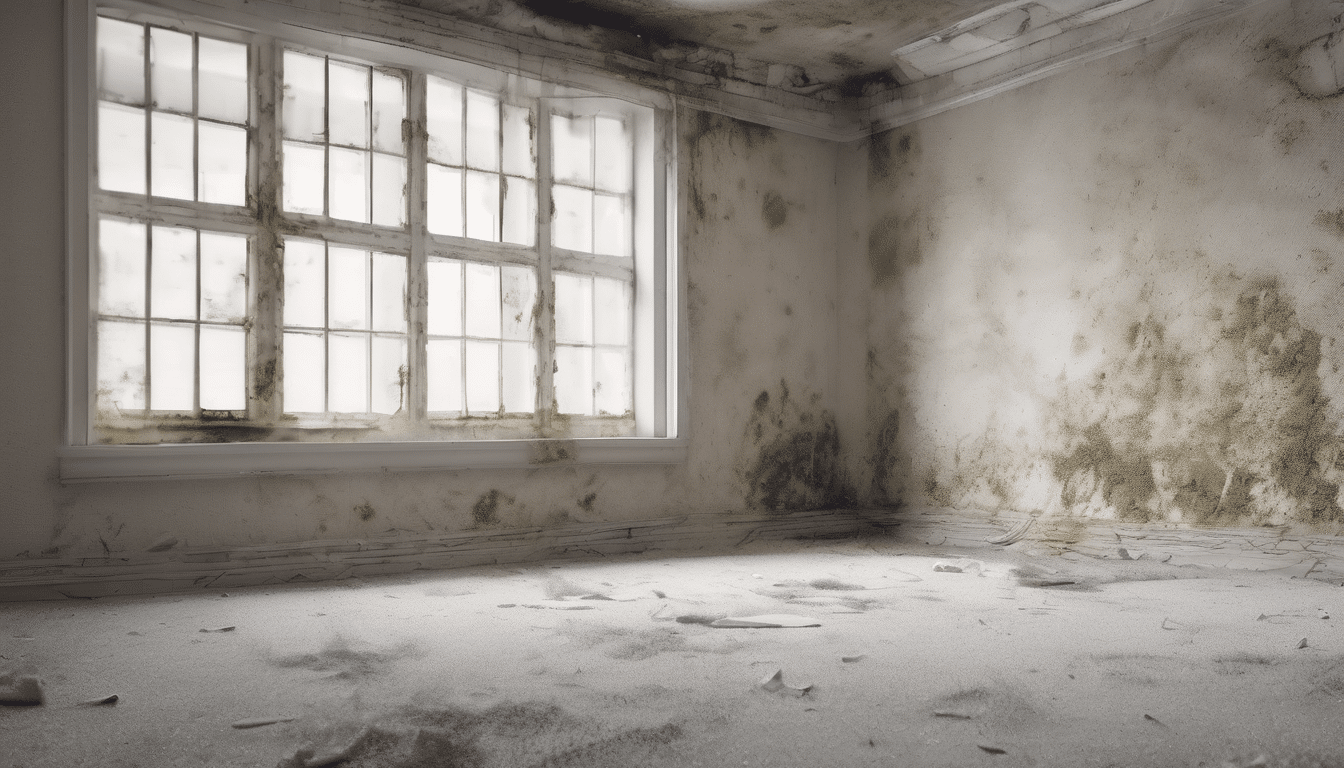
Successful mold remediation in Dubai properties requires more than simply removing visible contamination and declaring the job complete. What to do after mold remediation determines whether your investment in professional services will provide lasting protection or merely temporary relief. The unique challenges of the UAE’s climate—extreme humidity fluctuations, intensive air conditioning use, and thermal bridging in modern construction—make post-remediation protocols absolutely critical for preventing regrowth.
Understanding what to do after mold remediation begins with recognising that mold removal addresses symptoms, not root causes. Without proper verification, environmental controls, and ongoing monitoring, even the most thorough remediation can fail within months. Our investigations across Dubai, Abu Dhabi, and Sharjah consistently reveal that properties experiencing recurring mold problems often lack comprehensive post-remediation management strategies.
This guide provides the scientific framework and practical steps necessary to maximise your remediation investment whilst protecting occupant health in UAE indoor environments.
Immediate Post-Remediation Verification
The first critical step in what to do after mold remediation involves comprehensive verification that work has been completed according to professional standards. This verification process should never be conducted by the same company that performed the remediation work, as this creates an inherent conflict of interest that compromises objectivity.
Visual inspection forms the foundation of post-remediation verification. All previously contaminated surfaces should appear clean and free from visible mold growth, staining, or debris. However, visual assessment alone proves insufficient for confirming successful remediation. Many Dubai properties appear visually clean whilst harbouring residual contamination in hidden areas or microscopic spores that pose ongoing health risks.
Physical Infrastructure Assessment
Post-remediation verification must evaluate the physical changes made during the remediation process. This includes confirming that all contaminated materials identified during the initial investigation have been properly removed or cleaned. In our Dubai investigations, we frequently discover that remediation teams have addressed visible contamination whilst leaving hidden sources intact behind walls, under flooring, or within HVAC systems.
Moisture sources that originally enabled mold growth must be completely eliminated before considering remediation successful. What to do after mold remediation includes verifying that plumbing leaks have been repaired, building envelope defects have been sealed, and HVAC systems are operating within design parameters for humidity control.
The containment system used during remediation should remain in place until final clearance testing confirms successful completion. Premature removal of negative pressure systems and HEPA filtration can redistribute spores throughout previously clean areas, necessitating additional remediation work.
Air Quality Restoration
Confirming air quality restoration represents a critical component of post-remediation verification. Professional-grade air sampling should be conducted using methods that can detect both viable spores and total spore counts. The timing of this sampling proves crucial—testing too soon after remediation completion may yield artificially elevated readings due to disturbance, whilst waiting too long may allow regrowth to begin.
In Dubai’s climate conditions, post-remediation air sampling should be conducted under normal operating conditions with HVAC systems running at typical settings. This approach provides realistic data about the air quality occupants will actually experience rather than artificial conditions that may not reflect daily use patterns.
Understanding Clearance Testing and Documentation
Clearance testing represents the definitive method for confirming that what to do after mold remediation has been successfully completed. This testing protocol involves systematic sampling of air and surfaces to verify that spore concentrations have returned to acceptable levels comparable to outdoor conditions or uncontaminated control areas.
The clearance testing process should follow established protocols that specify sampling locations, analytical methods, and acceptance criteria. In the UAE context, clearance testing must account for the region’s unique environmental conditions, including elevated baseline outdoor spore counts during certain seasons and the prevalence of specific mold species adapted to air-conditioned environments.
Sampling Strategy and Methodology
Effective clearance testing employs a strategic sampling approach that targets both the remediated area and adjacent spaces to confirm that contamination has not spread during the remediation process. What to do after mold remediation includes ensuring that sampling locations include areas most likely to harbour residual contamination or cross-contamination.
Air sampling should be conducted using calibrated equipment that can capture both large and small spores. Surface sampling of critical areas using tape lifts or swab samples provides additional verification that cleaning has been thorough and effective. The combination of air and surface sampling offers comprehensive assessment of remediation success.
Laboratory analysis of clearance samples should be performed by accredited facilities using recognised analytical methods. Results should include species identification, spore counts, and comparison to baseline or control samples. This detailed analysis enables informed decision-making about occupant safety and identifies any species-specific concerns that require additional attention.
Clearance Criteria and Interpretation
Establishing appropriate clearance criteria requires understanding both international standards and local environmental conditions. What to do after mold remediation includes setting realistic expectations for spore levels that account for Dubai’s outdoor environment whilst protecting occupant health.
Clearance testing should demonstrate that indoor spore concentrations are not significantly elevated compared to outdoor levels, with particular attention to species that indicate ongoing moisture problems or inadequate remediation. The presence of certain indicator species may warrant additional investigation even if total spore counts appear acceptable.
Documentation of clearance testing results should include detailed reports with laboratory certificates, photographic evidence, and professional interpretation of findings. This documentation serves multiple purposes: confirming remediation success, supporting insurance claims, and providing baseline data for future monitoring.
What to Do After Mold Remediation for HVAC Systems
HVAC systems represent the most critical component of post-remediation management in Dubai properties. These systems can either support long-term remediation success through proper humidity control and air filtration, or they can become the primary pathway for recontamination if not properly addressed.
Understanding what to do after mold remediation for HVAC systems begins with recognising that these systems often harbour hidden contamination that standard remediation may not address. Ductwork, coils, drain pans, and air handling units can contain established microbial communities that continue to release spores into cleaned spaces long after surface remediation is complete.
Comprehensive HVAC Decontamination
Professional HVAC decontamination should follow remediation protocols specifically designed for air handling systems. This process typically involves accessing all system components, removing contaminated insulation or porous materials, and applying appropriate antimicrobial treatments to non-porous surfaces.
Particular attention must be paid to condensate drainage systems, which frequently harbour microbial growth in Dubai’s humid conditions. These systems should be thoroughly cleaned, disinfected, and tested to ensure proper drainage function. Blocked or sluggish drainage creates ideal conditions for rapid regrowth that can recontaminate the entire property.
What to do after mold remediation includes replacing all HVAC filters with high-efficiency units and establishing a rigorous filter replacement schedule. MERV 8 or higher filtration should be considered the minimum standard, with MERV 11-13 filters providing enhanced protection for sensitive occupants.
Humidity Control Optimization
Post-remediation HVAC optimization must address humidity control as the primary defense against mold regrowth. Dubai properties require careful balancing of cooling loads and dehumidification to maintain indoor relative humidity below 60% whilst avoiding overcooling that can create condensation problems.
HVAC controls should be evaluated and upgraded if necessary to provide consistent humidity management. This may include installing dedicated dehumidification equipment, upgrading thermostats with humidity control capabilities, or modifying system operation schedules to optimize moisture removal.
Regular monitoring of HVAC performance becomes essential for preventing future problems. What to do after mold remediation includes establishing protocols for checking system operation, filter condition, and drainage function on a scheduled basis.
Establishing Long-Term Moisture Control Strategies
Successful long-term outcomes from mold remediation depend entirely on effective moisture control. Understanding what to do after mold remediation requires recognising that moisture management extends far beyond HVAC systems to encompass building envelope performance, occupant behaviour, and maintenance practices.
Moisture control strategies must address the specific challenges of UAE construction and climate conditions. Thermal bridging through concrete structural elements, vapor migration through building assemblies, and extreme temperature differentials between interior and exterior environments create unique moisture management challenges that require comprehensive solutions.
Building Envelope Assessment and Improvement
Post-remediation building envelope evaluation should identify and address all pathways for moisture intrusion. This includes sealing penetrations, improving window and door weatherstripping, and addressing any building envelope defects that may have contributed to the original mold problem.
Particular attention should be paid to areas where different building materials meet, as these interfaces often represent weak points in moisture barriers. Bathroom and kitchen areas require especially rigorous evaluation, as these spaces generate significant moisture loads that must be properly managed to prevent regrowth.
What to do after mold remediation may include upgrading building materials in critical areas to moisture-resistant alternatives. This might involve installing moisture barriers, upgrading to mold-resistant drywall, or improving ventilation in high-humidity areas.
Ventilation Enhancement
Adequate ventilation proves essential for moisture control and indoor air quality maintenance following remediation. Dubai properties often rely heavily on mechanical ventilation due to extreme outdoor temperatures, making proper system design and operation critical for success.
Exhaust ventilation should be evaluated and enhanced in moisture-generating areas such as bathrooms, kitchens, and laundry rooms. These systems should operate on demand and provide adequate air changes to remove moisture before it can accumulate and create conditions suitable for mold growth.
Balanced ventilation systems that provide both supply and exhaust air may be necessary in some properties to maintain proper air pressure relationships whilst ensuring adequate fresh air supply. What to do after mold remediation includes ensuring that ventilation modifications support both moisture control and energy efficiency in the UAE’s extreme climate.
Environmental Monitoring and Early Warning Protocols
Implementing systematic environmental monitoring represents a crucial component of what to do after mold remediation. This monitoring should provide early warning of conditions that could lead to regrowth, enabling preventive action before problems become visible or health-threatening.
Environmental monitoring protocols should track key parameters that influence mold growth potential: temperature, humidity, moisture levels in building materials, and air quality indicators. Modern sensor technology enables continuous monitoring with automated alerts when conditions exceed safe thresholds.
Humidity and Temperature Monitoring
Continuous humidity monitoring provides the most reliable early warning system for potential mold problems. Monitoring equipment should be installed in areas where mold previously occurred, as well as other high-risk locations such as bathrooms, kitchens, and areas near HVAC equipment.
Data logging capabilities enable trend analysis that can reveal patterns indicative of developing problems. For example, gradual increases in humidity levels may indicate declining HVAC performance or developing moisture intrusion that requires attention before mold growth begins.
What to do after mold remediation includes establishing clear action thresholds for environmental parameters. When humidity levels exceed predetermined limits, specific response protocols should be activated to investigate and address the underlying causes before contamination can develop.
Material Moisture Content Assessment
Periodic assessment of moisture content in building materials provides additional insight into building performance and potential problem development. Non-invasive moisture meters can detect elevated moisture levels in walls, floors, and ceilings that may not be apparent through visual inspection.
Material moisture monitoring should focus on areas where problems previously occurred, as these locations often represent ongoing vulnerabilities in building systems. Regular monitoring enables early detection of recurring problems and prompt corrective action.
Seasonal monitoring proves particularly important in Dubai’s climate, as different times of year create varying moisture loads and building stress patterns. Understanding these seasonal variations helps predict when problems are most likely to develop and enables proactive management.
What to Do After Mold Remediation for Prevention
Prevention strategies represent the most cost-effective approach to maintaining remediation success over the long term. Understanding what to do after mold remediation requires developing comprehensive prevention protocols that address both building systems and occupant behaviour.
Prevention strategies must be tailored to the specific conditions that enabled the original mold problem whilst accounting for ongoing environmental stresses in Dubai’s challenging climate. Generic prevention approaches often fail because they do not address the unique combination of factors present in individual properties.
Occupant Education and Behaviour Modification
Occupant behaviour significantly influences indoor environmental conditions and mold growth potential. What to do after mold remediation includes educating occupants about practices that support or undermine remediation success.
Key behavioural factors include HVAC system operation, ventilation fan use, moisture generation activities, and prompt reporting of potential problems. Occupants should understand how their daily activities affect indoor humidity levels and what steps they can take to minimise mold growth risks.
Clear guidelines should be provided for activities such as cooking, showering, and drying laundry that generate significant moisture loads. These guidelines should include specific recommendations for ventilation use, timing, and duration to effectively remove moisture before it can accumulate in building materials.
Proactive Material Selection and Maintenance
Post-remediation material selection should prioritise mold resistance and moisture tolerance. This may involve upgrading to materials specifically designed for high-humidity environments or implementing protective treatments that inhibit microbial growth.
Regular maintenance of building systems becomes critical for prevention success. What to do after mold remediation includes establishing maintenance schedules that address HVAC systems, plumbing, building envelope components, and other systems that influence moisture conditions.
Preventive treatments may be appropriate for certain high-risk areas, such as applying antimicrobial coatings to surfaces that are difficult to access or prone to moisture exposure. These treatments should be selected based on safety, efficacy, and compatibility with existing building materials.
Occupant Health Considerations and Safe Re-Entry
Protecting occupant health during the post-remediation period requires careful consideration of individual sensitivities, potential ongoing exposures, and the time required for complete environmental restoration. What to do after mold remediation must prioritise health protection whilst enabling normal property use.
Sensitive individuals may continue to experience symptoms even after successful remediation due to residual spores, chemical residues from cleaning products, or heightened sensitivities developed during the contamination period. Understanding these factors helps establish appropriate re-entry protocols and ongoing health protection measures.
Re-Entry Timing and Protocols
Safe re-entry timing depends on multiple factors including the extent of remediation work, clearance testing results, and the sensitivity of occupants. What to do after mold remediation includes waiting for clearance testing confirmation before allowing full occupancy, particularly for sensitive individuals.
Initial re-entry should be gradual, allowing occupants to assess their comfort level and detect any remaining issues before full occupancy resumes. This approach enables identification of problems that may not be apparent through testing alone whilst protecting occupant health.
Sensitive occupants may benefit from extended ventilation periods before re-entry, allowing any residual odors or chemical residues to dissipate. Air purification systems may provide additional protection during the initial re-occupancy period.
Ongoing Health Monitoring
Post-remediation health monitoring helps identify any ongoing exposure concerns and provides early warning of potential regrowth. Occupants should be educated about symptoms that may indicate continued or renewed mold exposure and when to seek professional evaluation.
What to do after mold remediation includes maintaining awareness of health patterns and their potential relationship to indoor environmental conditions. Symptom tracking can help identify correlations between indoor conditions and health impacts that may indicate incomplete remediation or developing problems.
Medical consultation may be appropriate for individuals who continue to experience symptoms after remediation, particularly those with pre-existing respiratory conditions or compromised immune systems. Healthcare providers should be informed about the mold exposure history and remediation timeline.
Creating a Post-Remediation Building Maintenance Schedule
Systematic building maintenance represents the foundation of long-term remediation success. Understanding what to do after mold remediation requires developing comprehensive maintenance protocols that address all building systems and components that influence indoor environmental conditions.
Maintenance scheduling should be based on the specific systems present in the property, the severity of the original mold problem, and the environmental stresses typical of Dubai’s climate. Generic maintenance schedules often prove inadequate because they do not address the unique requirements of individual properties.
HVAC System Maintenance Protocols
HVAC maintenance should receive priority attention in post-remediation maintenance schedules. Filter replacement schedules should be established based on actual usage patterns and environmental conditions rather than manufacturer recommendations alone.
Regular inspection and cleaning of HVAC components prevents the accumulation of debris and moisture that can support microbial growth. Drain pan cleaning, coil maintenance, and ductwork inspection should be performed on predetermined schedules by qualified technicians.
What to do after mold remediation includes establishing performance benchmarks for HVAC systems that enable early detection of declining performance. Temperature and humidity control capabilities should be verified regularly to ensure systems continue to provide adequate environmental control.
Building Envelope Maintenance
Building envelope maintenance focuses on preserving moisture barriers and preventing water intrusion that could enable mold regrowth. Regular inspection of roofing, windows, doors, and exterior walls helps identify developing problems before they compromise indoor environmental conditions.
Sealant and caulking maintenance requires particular attention in Dubai’s extreme climate, as thermal cycling can cause joint failures that create pathways for moisture intrusion. These materials should be inspected and replaced on a schedule that prevents degradation.
Drainage system maintenance ensures that water is directed away from building foundations and envelope components. Gutters, downspouts, and site drainage should be maintained to prevent water accumulation that could lead to moisture problems.
What to Do After Mold Remediation Documentation and Records
Comprehensive documentation serves multiple critical functions in post-remediation management. Understanding what to do after mold remediation includes maintaining detailed records that support insurance claims, enable effective maintenance planning, and provide baseline data for future problem assessment.
Documentation should include all aspects of the remediation process, post-remediation verification results, environmental monitoring data, and maintenance activities. This comprehensive record enables trend analysis and informed decision-making about ongoing building management.
Remediation and Verification Records
Complete remediation documentation should include before and after photographs, detailed work logs, material disposal records, and verification testing results. This documentation provides proof of professional work completion and baseline conditions for future reference.
Clearance testing reports should be maintained with original laboratory certificates and professional interpretation. These documents may be required for insurance purposes, property transfers, or future remediation planning if problems recur.
What to do after mold remediation includes organising documentation in accessible formats that enable quick reference when needed. Digital storage with backup copies ensures that critical records remain available over the long term.
Ongoing Monitoring and Maintenance Logs
Environmental monitoring data should be systematically collected and analysed to identify trends that may indicate developing problems. Regular review of monitoring data enables proactive management and early intervention when conditions begin to deteriorate.
Maintenance activity logs document system performance and help identify patterns in maintenance requirements. This information supports informed decisions about system upgrades, replacement timing, and preventive maintenance scheduling.
Cost tracking for post-remediation activities provides valuable information for budgeting and helps identify the most cost-effective approaches to maintaining healthy indoor environments. This data supports informed decisions about ongoing building management strategies.
Recognising Long-Term Success Indicators
Evaluating long-term remediation success requires understanding both quantitative measures and qualitative indicators that demonstrate sustained indoor environmental health. What to do after mold remediation includes establishing success metrics that reflect actual performance rather than temporary improvements.
Success indicators should encompass environmental measurements, occupant health outcomes, building system performance, and cost-effectiveness of ongoing management strategies. Comprehensive evaluation enables objective assessment of remediation value and informs future decision-making.
Environmental Performance Metrics
Sustained environmental performance demonstrates that remediation has successfully addressed root causes rather than merely treating symptoms. Stable humidity levels, absence of musty odors, and consistent air quality measurements indicate successful moisture control and system operation.
Seasonal stability in environmental conditions proves particularly important in Dubai’s variable climate. Systems that maintain appropriate conditions throughout the year demonstrate robust design and effective operation that support long-term success.
What to do after mold remediation includes comparing current environmental conditions to baseline measurements taken before the original mold problem developed. This comparison helps determine whether remediation has restored healthy conditions or merely provided temporary improvement.
Health and Comfort Outcomes
Occupant health improvement and sustained comfort represent the ultimate measures of remediation success. Resolution of mold-related symptoms, improved sleep quality, and enhanced overall comfort indicate that remediation has successfully eliminated health threats.
Long-term health monitoring should demonstrate sustained improvement without recurring symptoms that might indicate ongoing exposure. Stable health patterns provide confidence that remediation has successfully protected occupant wellbeing.
Comfort metrics such as consistent temperature and humidity control, absence of odors, and satisfactory air quality contribute to overall quality of life and indicate successful environmental management. These factors reflect the broader success of remediation and ongoing management strategies.
Understanding what to do after mold remediation ultimately determines whether professional remediation provides lasting value or merely temporary relief. The comprehensive approach outlined in this guide addresses the multiple factors that influence long-term success, from immediate verification through ongoing maintenance and monitoring. Success requires commitment to systematic management that addresses building systems, environmental controls, and occupant practices as integrated components of healthy indoor environments.
Property owners who implement these post-remediation protocols significantly increase their likelihood of maintaining healthy indoor conditions whilst protecting their investment in professional remediation services. The cost of comprehensive post-remediation management proves minimal compared to the potential costs of recurring problems and repeated remediation work. In Dubai’s challenging climate, what to do after mold remediation represents the difference between successful, lasting results and expensive, recurring problems that compromise both property value and occupant health.