
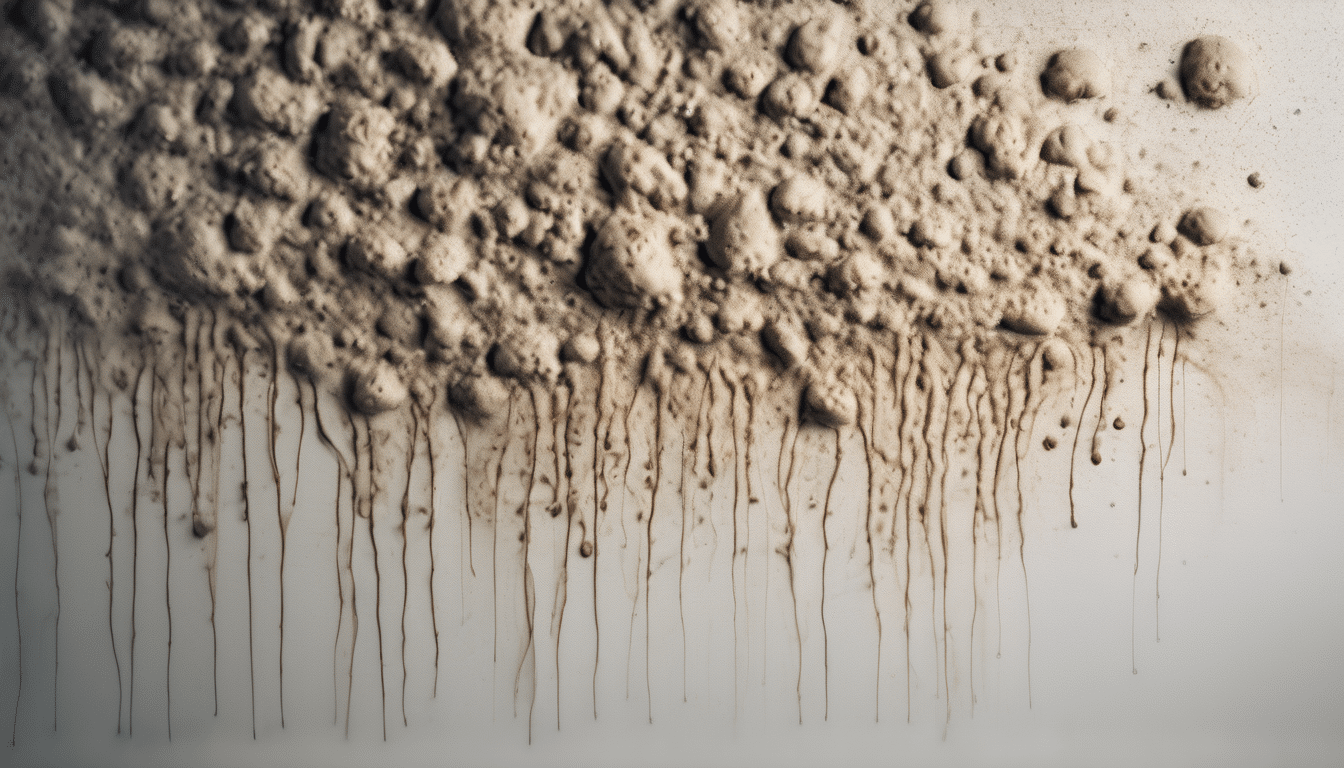
Professional mold remediation should eliminate contamination and prevent future growth—but what happens when mold returns? Hidden Mold Regrowth signs after professional removal are often subtle, developing gradually in areas that appear visually clean. In Dubai’s challenging climate, where humidity and air conditioning create complex moisture dynamics, even expertly executed remediation can fail if underlying conditions aren’t properly addressed.
Understanding hidden mold regrowth signs after professional removal requires recognising that mold is rarely just a surface problem. When remediation focuses only on visible contamination without correcting the moisture sources, airflow patterns, and building defects that originally enabled growth, recurrence becomes almost inevitable. The signs of returning mold are often hidden within building systems, behind walls, or in areas that weren’t part of the original remediation scope.
During my investigations across the UAE, I’ve documented numerous cases where families believed their mold problems were permanently resolved, only to discover extensive regrowth months later. These cases reveal predictable patterns—specific warning signals that indicate when mold has quietly re-established itself in previously treated areas.
Hidden Mold Regrowth Signs After Professional Removal – 1. Returning Musty Odours in Treated Areas
The most common hidden mold regrowth signs after professional removal begin with subtle odour changes. Unlike the obvious musty smell that prompted the original remediation, regrowth odours often appear intermittently—stronger during certain weather conditions, times of day, or HVAC operation cycles.
These returning odours typically indicate that mold has re-established itself in areas that weren’t properly dried or where moisture sources weren’t eliminated. In Dubai properties, this frequently occurs behind bathroom tiles, within wall cavities adjacent to air conditioning units, or in areas where condensation continues to form despite remediation efforts.
Odour Pattern Recognition
Professional investigators look for specific patterns in how these odours manifest. Morning odours that dissipate by afternoon often suggest overnight moisture accumulation. Odours that intensify when the HVAC system starts indicate contamination within ductwork or around air handling units. Odours that appear only during humid weather suggest that building envelope defects are allowing moisture penetration.
Laboratory analysis of air samples from areas with returning odours frequently reveals the same mold species that were present before remediation—a clear indication that the original moisture source was never properly addressed. In cases where different species are detected, it suggests that remediation may have disrupted the original microbial community, allowing different organisms to establish dominance.
Hidden Mold Regrowth Signs After Professional Removal – 2. Unexplained Humidity Levels Despite HVAC Operation
Hidden mold regrowth signs after professional removal often include humidity readings that remain elevated despite properly functioning air conditioning systems. In Dubai’s climate, indoor relative humidity should typically remain between 40-60% with effective HVAC operation. When humidity consistently exceeds these levels in previously treated areas, it suggests that moisture sources are active and mold regrowth is likely occurring.
Professional moisture mapping reveals that humidity elevation isn’t random—it follows predictable patterns related to building physics and airflow dynamics. Areas where humidity remains high despite air conditioning often coincide with locations where mold regrowth occurs, even when these areas appear visually clean.
Moisture Source Investigation
Persistent humidity elevation requires systematic investigation to identify the source. Common causes include incomplete moisture barrier repair, ongoing water intrusion through building envelope defects, inadequate ventilation in high-moisture areas, or HVAC system problems that weren’t addressed during remediation.
Thermal imaging surveys during different weather conditions can reveal areas where moisture accumulates despite air conditioning. These thermal signatures often correspond with locations where mold regrowth occurs, providing early warning before visual contamination becomes apparent.
Hidden Mold Regrowth Signs After Professional Removal – 3. Health Symptoms Reappearing After Initial Relief
One of the most concerning hidden mold regrowth signs after professional removal involves the return of health symptoms that had improved following remediation. Occupants often experience initial relief from respiratory symptoms, headaches, or fatigue after successful mold removal, making the gradual return of these symptoms a significant indicator of recurring contamination.
Health symptom patterns provide valuable diagnostic information. Symptoms that return gradually suggest slow mold regrowth, while sudden symptom recurrence may indicate that a significant moisture event has triggered rapid mold development. Symptoms that correlate with specific activities—such as using certain rooms or operating HVAC systems—can help identify where regrowth is occurring.
Symptom Documentation
Systematic symptom tracking helps distinguish between mold-related health impacts and other causes. Symptoms that improve when occupants leave the building and return upon re-entry suggest ongoing indoor contamination. Symptoms that vary based on weather conditions or seasonal patterns often correlate with moisture-driven mold growth cycles.
Medical professionals increasingly recognise the connection between indoor environmental quality and health symptoms, particularly in cases where remediation was followed by symptom relief and subsequent recurrence. This pattern strongly suggests that the original mold problem was incompletely resolved. This relates directly to Hidden Mold Regrowth Signs After Professional Removal.
4. Visible Moisture Accumulation in Previously Dry Areas
Hidden mold regrowth signs after professional removal frequently begin with visible moisture accumulation in areas that were dry following remediation. This moisture may appear as condensation on surfaces, water stains that develop gradually, or areas where materials feel damp to the touch despite no obvious water source.
In Dubai properties, visible moisture accumulation often occurs around air conditioning components, window areas, or locations where indoor and outdoor temperature differences create condensation potential. These moisture signatures indicate that the building conditions supporting mold growth have returned, making regrowth inevitable without corrective action.
Moisture Pattern Analysis
Professional evaluation considers when and where moisture appears. Condensation that forms during specific weather conditions suggests that building envelope performance issues weren’t addressed during remediation. Moisture that appears near HVAC components may indicate that ductwork moisture problems persist despite surface remediation.
Progressive moisture staining—stains that gradually expand over time—indicates active water intrusion that will inevitably lead to mold regrowth. These developing stains often appear in locations that weren’t part of the original remediation scope, suggesting that the moisture problem extends beyond the areas that were initially treated.
5. HVAC System Performance Issues
Changes in HVAC system performance often signal hidden mold regrowth signs after professional removal. These changes may include reduced airflow from specific vents, unusual odours when the system operates, increased energy consumption, or difficulty maintaining consistent temperatures and humidity levels.
HVAC-related mold regrowth is particularly common in Dubai properties because air conditioning systems create the moisture, airflow, and organic material conditions that support mold growth. When remediation doesn’t address contamination within ductwork, air handling units, or condensate drainage systems, regrowth often occurs in these hidden locations.
System Performance Monitoring
Professional HVAC evaluation includes airflow measurement, ductwork inspection, and assessment of moisture control components. Reduced airflow from specific zones often indicates that mold growth is restricting air movement within ductwork. Unusual odours during system startup suggest that contamination is present in areas where air movement distributes mold spores throughout the building. When considering Hidden Mold Regrowth Signs After Professional Removal, this becomes clear.
Energy consumption increases may indicate that the HVAC system is working harder to maintain conditions due to moisture loads or airflow restrictions caused by mold growth. These performance changes often precede visible contamination by weeks or months, providing early warning of regrowth.
6. Surface Discolouration Patterns
Subtle surface discolouration represents one of the earliest visible hidden mold regrowth signs after professional removal. Unlike the obvious mold growth that prompted original remediation, regrowth discolouration often appears as slight colour changes, shadowing effects, or areas where surfaces appear dingy despite cleaning efforts.
These discolouration patterns frequently develop in areas where moisture accumulates but airflow is limited—conditions that weren’t corrected during remediation. Common locations include corners where walls meet ceilings, areas behind furniture, or surfaces adjacent to moisture sources like air conditioning units or bathroom fixtures.
Pattern Recognition Techniques
Professional assessment uses specific lighting conditions and viewing angles to detect subtle discolouration. Oblique lighting can reveal surface texture changes or colour variations that aren’t apparent under normal lighting conditions. Digital photography with colour correction can document progressive discolouration that might be missed by visual observation alone.
Progressive documentation helps distinguish between normal surface aging and mold-related discolouration. Mold regrowth typically creates irregular patterns that expand over time, while normal aging produces uniform changes. Areas where discolouration correlates with moisture sources or poor airflow are most likely to represent mold regrowth.
7. Indoor Air Quality Changes
Measurable changes in indoor air quality often precede visible hidden mold regrowth signs after professional removal. These changes may include elevated particle counts, unusual odour compounds, or shifts in the microbial community composition detected through air sampling.
Professional air quality monitoring reveals that mold regrowth creates distinct chemical signatures that can be detected before visual contamination becomes apparent. Volatile organic compounds produced by growing mold, changes in carbon dioxide patterns due to microbial respiration, and elevated spore counts all indicate that regrowth is occurring. The importance of Hidden Mold Regrowth Signs After Professional Removal is evident here.
Air Quality Assessment Methods
Systematic air sampling compares current conditions to baseline measurements taken immediately after remediation. Increasing spore counts or changing species composition suggests that the microbial environment is shifting toward conditions that support mold growth.
Real-time monitoring systems can detect air quality changes that correlate with weather conditions, HVAC operation, or occupant activities. These patterns help identify when and where mold regrowth is most likely to occur, enabling targeted investigation and early intervention.
8. Structural Moisture Indicators
Hidden mold regrowth signs after professional removal often include structural moisture indicators that suggest water intrusion or moisture accumulation within building assemblies. These indicators may include paint or wallpaper that begins to peel, wood that feels soft or spongy, or drywall that shows signs of moisture damage despite no visible water source.
Structural moisture problems frequently persist even after surface remediation because the underlying building defects weren’t identified or corrected. In Dubai properties, these defects often involve thermal bridging, inadequate vapour barriers, or building envelope penetrations that allow moisture intrusion during weather events.
Structural Assessment Techniques
Professional evaluation uses moisture meters to measure water content in building materials, infrared thermography to identify temperature patterns associated with moisture, and sometimes borescope inspection to view conditions within wall cavities or other hidden spaces.
Progressive monitoring tracks how structural moisture content changes over time. Materials that show increasing moisture content despite no obvious water source often indicate that moisture intrusion or accumulation is occurring in ways that will inevitably lead to mold regrowth.
9. Laboratory Confirmation Methods
Laboratory testing provides definitive confirmation of hidden mold regrowth signs after professional removal. Unlike visual inspection or air quality monitoring, laboratory analysis can identify specific mold species, quantify contamination levels, and determine whether detected organisms represent new growth or residual contamination from previous problems.
Professional laboratory confirmation typically involves multiple sampling methods: air samples to detect airborne spores, surface samples from suspected regrowth areas, and sometimes bulk material samples from building components. Comparison with baseline samples taken immediately after remediation helps distinguish between new growth and persistent contamination.
Laboratory Analysis Interpretation
Experienced interpretation considers not only what organisms are detected, but their concentration levels, species diversity, and spatial distribution patterns. Mold regrowth typically produces different laboratory signatures than initial contamination—often with different dominant species or concentration patterns that reflect the changed environmental conditions.
Laboratory confirmation also helps identify whether regrowth is occurring in the same locations as original contamination or in new areas, information that’s essential for determining whether remediation was inadequate or whether new moisture problems have developed.
Preventing Regrowth: Long-term Strategies
Understanding hidden mold regrowth signs after professional removal is most valuable when combined with strategies to prevent recurrence. Effective prevention requires addressing the root causes that enable mold growth: moisture sources, airflow patterns, and building conditions that support microbial activity.
Long-term prevention strategies include regular moisture monitoring, HVAC system maintenance, building envelope assessment, and environmental controls that maintain conditions unfavourable to mold growth. In Dubai’s climate, this particularly involves managing humidity levels, ensuring adequate ventilation, and preventing condensation in air-conditioned spaces.
Professional prevention planning considers the specific conditions that led to original mold growth and ensures that remediation addresses these underlying causes. Without this systematic approach, even the most thorough remediation efforts are likely to fail over time, leading to the regrowth patterns documented in this analysis.
Successful mold prevention requires ongoing attention to building performance, not just one-time remediation. Property owners who implement systematic monitoring and maintenance programmes significantly reduce the likelihood of experiencing the hidden mold regrowth signs described in this comprehensive guide. Understanding Hidden Mold Regrowth Signs After Professional Removal helps with this aspect.
The key to preventing regrowth lies in understanding that mold remediation is only effective when combined with correction of the underlying building conditions that originally enabled contamination. This holistic approach, addressing both immediate contamination and long-term environmental controls, provides the most reliable protection against mold regrowth in Dubai’s challenging climate conditions. Understanding Hidden Mold Regrowth Signs After Professional Removal is key to success in this area.