
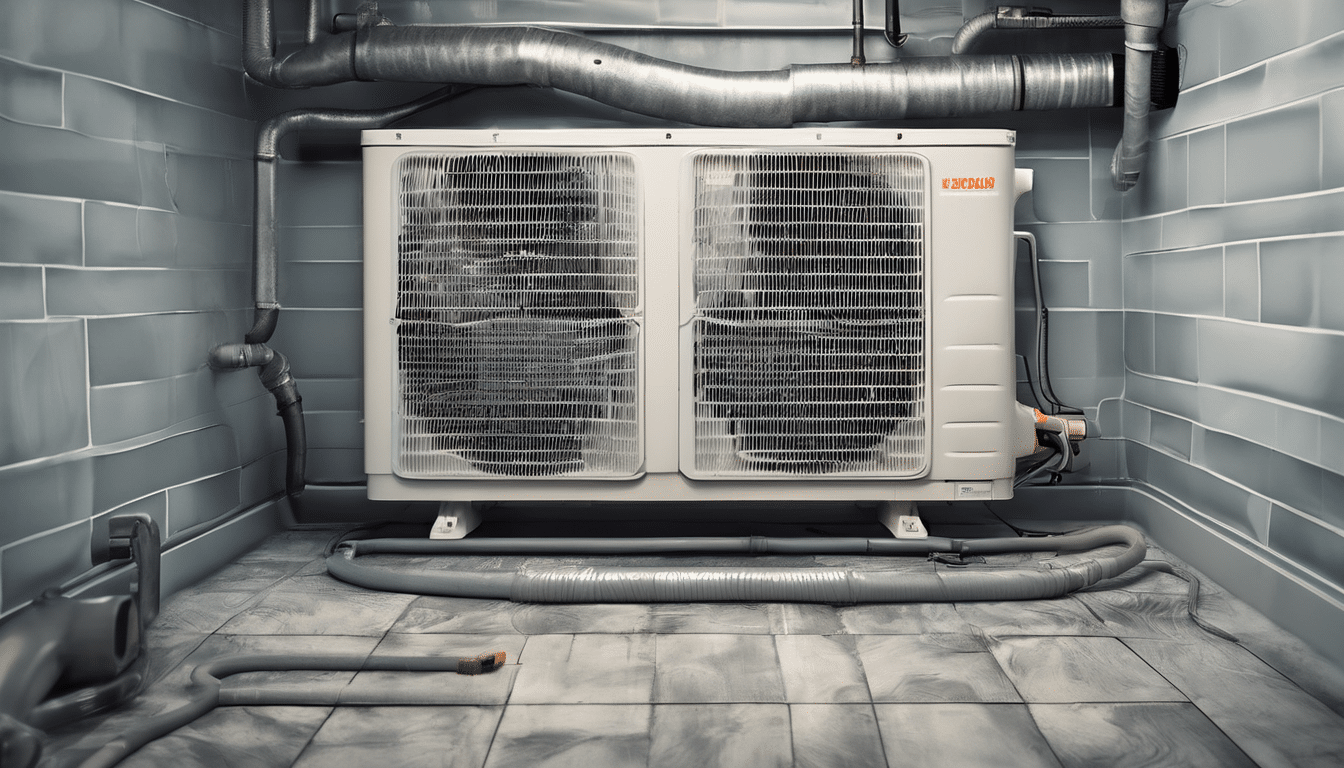
HVAC System Cleaning After Mold Remediation UAE represents one of the most critical yet often overlooked steps in achieving complete indoor environmental recovery. In Dubai’s climate-controlled buildings, where air conditioning systems operate continuously, contaminated HVAC components can rapidly reintroduce mold spores throughout previously remediated spaces, undermining months of expensive restoration work.
From our investigations across Dubai, Abu Dhabi, and Sharjah, we consistently observe that properties experiencing mold regrowth after professional remediation often share one common factor: inadequate HVAC system cleaning and verification. The sealed, recirculating air environment typical of UAE buildings amplifies this risk, making thorough HVAC decontamination essential rather than optional. This relates directly to Hvac System Cleaning After Mold Remediation Uae.
This buyer’s guide examines the technical protocols, cost considerations, and verification methods necessary for effective HVAC System Cleaning After Mold Remediation UAE, helping property owners make informed decisions about protecting their investment and occupant health.
Hvac System Cleaning After Mold Remediation Uae – Understanding HVAC Contamination After Mold Events
HVAC systems in UAE properties face unique contamination challenges following mold incidents. The combination of high humidity, temperature differentials, and continuous operation creates ideal conditions for microbial growth within ductwork, coils, and filtration systems.
During active mold growth periods, spores become airborne and circulate throughout the HVAC network. These microscopic particles settle on internal surfaces, particularly in areas where condensation occurs or airflow velocity decreases. Common contamination zones include evaporator coils, drain pans, supply ducts, return air pathways, and filter housings.
Primary Contamination Pathways
Cross-contamination occurs through several mechanisms during mold events. Return air systems draw contaminated air from affected areas, distributing spores throughout the ductwork. Supply air then carries these contaminants to previously clean spaces, effectively spreading contamination beyond the original source area.
Condensation within cooling coils provides moisture necessary for continued mold growth, even after source water damage has been addressed. This creates hidden reservoirs of contamination that can release spores for months following apparent remediation completion.
System-Specific Vulnerability
Central air conditioning systems common in Dubai villas and apartments present particular challenges for HVAC System Cleaning After Mold Remediation UAE. These systems often feature complex ductwork routing, multiple zones, and extensive filtration components that require individual attention during decontamination processes.
Variable refrigerant flow systems and split units, while having smaller contamination footprints, can harbour significant microbial growth in evaporator units and condensate management systems that are difficult to access without partial disassembly.
HVAC System Cleaning After Mold Remediation UAE Protocols
Effective HVAC System Cleaning After Mold Remediation UAE requires systematic approaches that address all potential contamination reservoirs within the air handling system. Professional protocols begin with complete system shutdown and isolation to prevent cross-contamination during cleaning procedures.
Pre-cleaning assessment involves visual inspection using borescopes and endoscopic equipment to document contamination extent within ductwork and components. This documentation establishes baseline conditions and guides cleaning methodology selection based on contamination severity and system accessibility.
Mechanical Cleaning Methods
Physical removal of contaminated materials represents the primary cleaning approach for HVAC systems. Specialised brushing equipment, compressed air systems, and vacuum collection methods remove accumulated debris, biofilms, and settled contaminants from internal surfaces.
Ductwork cleaning utilises rotating brush systems connected to high-powered vacuum units that maintain negative pressure during debris removal. This prevents contaminated materials from dispersing into occupied spaces during cleaning operations.
Coil cleaning requires dismantling of access panels and careful cleaning of fin surfaces using appropriate detergents and sanitising solutions. Drain pan removal and replacement often becomes necessary when contamination has established within these moisture-collection areas.
Chemical Treatment Applications
Following mechanical cleaning, antimicrobial treatments may be applied to internal surfaces to address residual contamination and provide short-term protection against regrowth. However, chemical applications should never substitute for thorough mechanical cleaning and source moisture elimination.
Biocide selection must consider occupant health, material compatibility, and regulatory compliance within UAE guidelines. Fogging applications require proper containment and adequate clearance periods before system reactivation.
Equipment and Verification Requirements
Professional HVAC System Cleaning After Mold Remediation UAE requires specialised equipment and verification protocols that ensure thorough decontamination without causing additional problems. Equipment selection impacts both cleaning effectiveness and long-term system performance.
Negative pressure systems must maintain adequate suction throughout the ductwork network while preventing pressure imbalances that could damage delicate system components. HEPA filtration on vacuum systems prevents recontamination of cleaned areas during debris removal.
Essential Equipment Components
Duct cleaning systems should feature adjustable brush heads suitable for various duct materials and configurations common in UAE construction. Soft bristle attachments prevent damage to flexible ductwork, while aggressive brushes address heavy contamination in rigid metal systems.
Inspection equipment including flexible borescopes and digital documentation systems enable thorough assessment of cleaning effectiveness in areas not accessible through standard access panels.
Air quality monitoring equipment provides real-time feedback during cleaning operations, ensuring that procedures do not inadvertently increase airborne contamination levels in occupied areas adjacent to work zones. When considering Hvac System Cleaning After Mold Remediation Uae, this becomes clear.
Verification Protocols
Post-cleaning verification involves visual inspection using photographic documentation to demonstrate cleaning effectiveness. Before and after images provide clear evidence of contamination removal and help identify areas requiring additional attention.
Air sampling following cleaning completion but before system reactivation establishes baseline contamination levels and confirms that cleaning procedures have not increased airborne spore concentrations above acceptable thresholds.
Cost Considerations and Budgeting in Dubai
HVAC System Cleaning After Mold Remediation UAE costs vary significantly based on system complexity, contamination extent, and accessibility factors. Understanding these variables helps property owners budget appropriately and evaluate service proposals effectively.
Basic duct cleaning for small residential units typically ranges from AED 2,500 to AED 4,500, while comprehensive cleaning of large villa systems can exceed AED 15,000 when including coil cleaning, component replacement, and verification testing.
Cost Factors and Variables
System accessibility significantly impacts labour requirements and overall project costs. Ductwork routed through tight ceiling spaces or concrete slabs requires additional time and specialised equipment, increasing total project investment.
Contamination severity determines cleaning intensity requirements. Light surface contamination may require only basic cleaning protocols, while heavy biofilm accumulation necessitates aggressive mechanical cleaning and possible component replacement.
Component replacement costs must be factored when filters, insulation materials, or severely contaminated components cannot be effectively cleaned. HEPA filter replacement alone can add AED 500 to AED 2,000 depending on system size and filter specifications.
Hidden Cost Considerations
Temporary accommodation expenses may arise if cleaning procedures require extended system shutdown periods in properties lacking alternative climate control options. Dubai’s climate makes this particularly relevant during summer months when outdoor temperatures exceed comfortable ranges.
Follow-up verification testing adds AED 800 to AED 1,500 to project costs but provides essential documentation of cleaning effectiveness and occupant safety assurance.
Common Mistakes to Avoid
Property owners frequently encounter problems when HVAC System Cleaning After Mold Remediation UAE is approached incorrectly or incompletely. Understanding these common pitfalls helps ensure successful outcomes and prevents costly repeated procedures.
Premature system reactivation before thorough drying represents one of the most critical errors observed in UAE projects. Residual moisture from cleaning procedures can promote rapid mold regrowth if systems are restarted before complete drying verification.
Scope Limitation Errors
Cleaning only visible contamination while ignoring hidden areas creates incomplete decontamination that allows continued spore release from untreated reservoirs. Return air systems, in particular, often receive inadequate attention despite representing significant contamination sources.
Focusing solely on ductwork while ignoring air handling units, coils, and filtration systems leaves major contamination sources unaddressed. These components often harbour the heaviest microbial growth due to consistent moisture exposure.
Technical Implementation Mistakes
Using inadequate containment during cleaning procedures can spread contamination to previously clean areas, effectively expanding the contamination footprint rather than reducing it.
Applying chemical treatments without proper mechanical cleaning first reduces effectiveness and may create chemical residue problems that impact indoor air quality long-term.
Rushing cleaning procedures to minimise system downtime often results in incomplete contamination removal, necessitating repeated cleaning operations that ultimately increase total project costs and occupant exposure duration.
Selecting HVAC System Cleaning After Mold Remediation UAE Services
Choosing appropriate service providers for HVAC System Cleaning After Mold Remediation UAE requires careful evaluation of technical capabilities, experience levels, and verification protocols. Not all duct cleaning companies possess the specialised knowledge necessary for post-remediation applications.
Qualified contractors should demonstrate understanding of microbiology, contamination pathways, and verification requirements specific to mold remediation scenarios. General maintenance cleaning differs significantly from post-contamination decontamination procedures.
Essential Qualifications
Service providers should hold relevant certifications from recognised industry organisations and demonstrate experience with contaminated HVAC systems rather than routine maintenance cleaning only.
Equipment capabilities must match project requirements, including adequate negative pressure systems, HEPA filtration, and inspection equipment necessary for thorough documentation. The importance of Hvac System Cleaning After Mold Remediation Uae is evident here.
Laboratory relationships for verification testing indicate professional approach to quality assurance and provide independent confirmation of cleaning effectiveness.
Evaluation Criteria
Request detailed protocols outlining cleaning procedures, containment methods, and verification steps. Comprehensive proposals indicate thorough understanding of project requirements and professional approach to execution.
References from similar post-remediation projects provide insight into contractor reliability and technical competence in challenging applications.
Insurance coverage and licensing verification protects property owners from liability risks associated with system damage or incomplete cleaning procedures.
Post-Cleaning Verification and Documentation
Verification protocols for HVAC System Cleaning After Mold Remediation UAE establish cleaning effectiveness and provide documentation necessary for clearance certification and occupant confidence. These procedures go beyond simple visual inspection to include quantitative assessments.
Photographic documentation using high-resolution imagery captures cleaning effectiveness in accessible areas and provides before-and-after comparisons that demonstrate contamination removal extent.
Air Quality Testing
Post-cleaning air sampling within ductwork and at supply registers establishes spore concentration levels following cleaning completion. These samples should be collected after cleaning but before system reactivation to avoid interference from normal operation.
Comparison with outdoor reference samples helps interpret results and establish whether indoor concentrations represent normal background levels or indicate residual contamination requiring additional attention.
System Performance Verification
Airflow measurements following cleaning ensure that procedures have not compromised system performance through debris accumulation or component damage. Reduced airflow can indicate incomplete cleaning or component problems requiring correction.
Pressure differential measurements across cleaned components verify proper system operation and identify potential restriction issues that could impact long-term performance.
Long-Term HVAC Maintenance Strategies
Successful HVAC System Cleaning After Mold Remediation UAE extends beyond immediate decontamination to include ongoing maintenance protocols that prevent recontamination and preserve indoor air quality improvements.
Enhanced filtration systems provide ongoing protection against airborne contaminants while reducing maintenance frequency requirements. Upgrading to higher-efficiency filters may require system modifications to accommodate increased pressure drops.
Preventive Maintenance Protocols
Regular inspections of drainage systems, coil conditions, and filter status help identify potential problems before they develop into major contamination events. Monthly visual inspections can detect early signs of moisture accumulation or microbial growth.
Humidity control measures become critical in UAE climates where condensation risks remain high. Proper thermostat programming and humidity monitoring help maintain conditions that discourage microbial growth.
Monitoring and Early Detection
Air quality monitoring systems provide ongoing assessment of indoor environmental conditions and can alert occupants to developing problems before they become health concerns or require major remediation efforts.
Professional maintenance contracts ensure regular system assessment by qualified technicians familiar with contamination risks and early detection methods.
Expert Recommendations and Key Takeaways
Effective HVAC System Cleaning After Mold Remediation UAE requires comprehensive approaches that address all potential contamination reservoirs while maintaining system integrity and performance. Success depends on proper planning, qualified execution, and thorough verification.
Budget allocation should include not only immediate cleaning costs but also verification testing, potential component replacement, and enhanced maintenance protocols. Investing in comprehensive initial cleaning typically proves more cost-effective than repeated partial procedures.
Service provider selection represents the most critical decision factor, as technical expertise and proper equipment determine cleaning effectiveness and long-term success. Prioritise experience with post-remediation applications over general cleaning services.
Verification testing provides essential confirmation of cleaning effectiveness and should be considered mandatory rather than optional. Documentation protects both immediate occupant health and long-term property value.
Long-term maintenance planning ensures that cleaning investments provide lasting benefits and prevent future contamination events. Regular professional assessment combined with appropriate filtration upgrades maintains healthy indoor environments while protecting mechanical system investments.
For UAE property owners, HVAC System Cleaning After Mold Remediation UAE represents an essential component of complete indoor environmental recovery. When executed properly with appropriate verification, these procedures restore confidence in indoor air quality and protect occupant health for years following initial remediation completion.