
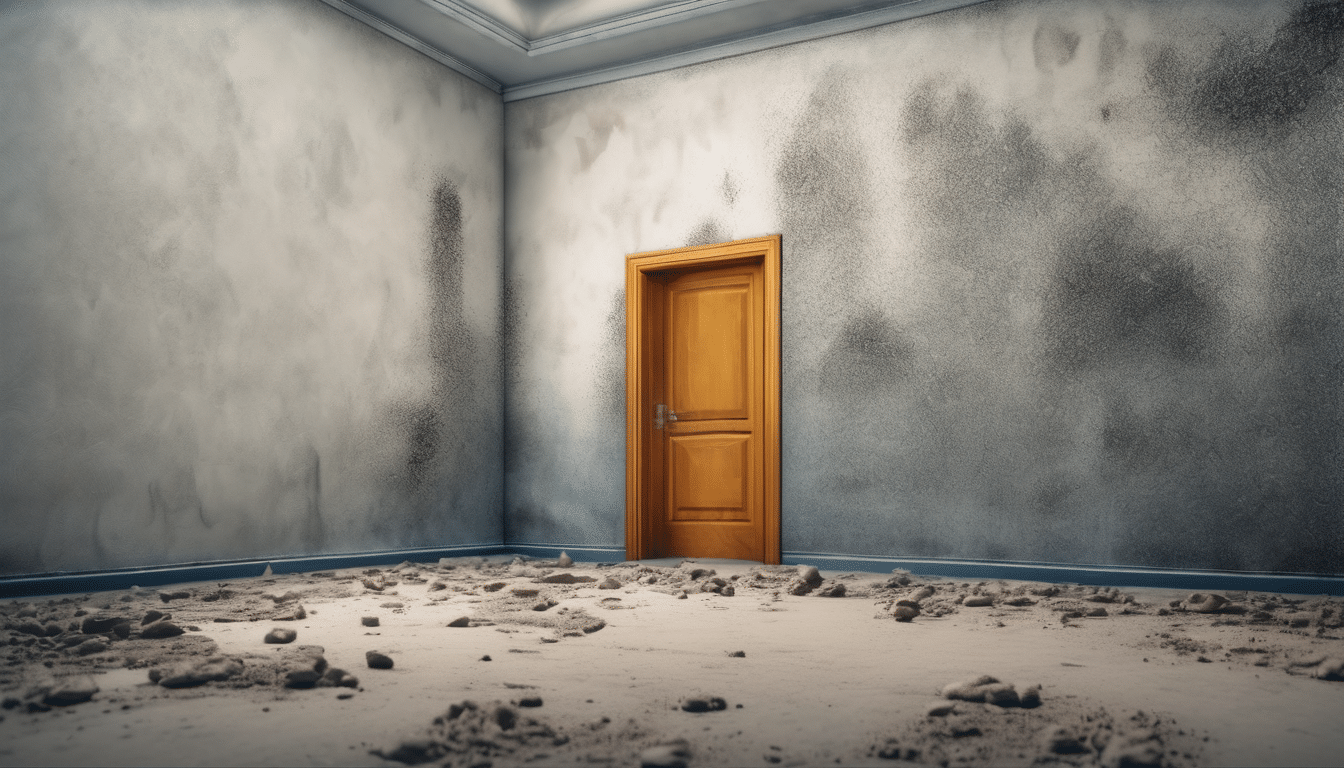
Dubai‘s unique climate creates perfect conditions for hidden mold growth behind walls, where high humidity meets aggressive air conditioning in sealed building envelopes. Many property owners discover mold contamination only after visible damage appears, but professional Hidden Mold Behind Walls: Dubai Investigation Methods can detect problems before they become health hazards or expensive repairs.
Hidden mold behind walls represents one of the most challenging indoor environmental problems in Dubai’s residential and commercial buildings. Unlike surface mold that homeowners can observe directly, concealed contamination develops within wall cavities, behind fixtures, and inside building systems where moisture accumulates undetected for months or years.
Understanding which Hidden Mold Behind Walls: Dubai Investigation Methods work best requires comparing available diagnostic approaches, their capabilities, limitations, and costs. Each method offers distinct advantages depending on building type, suspected contamination areas, and investigation objectives.
Hidden Mold Behind Walls: Dubai Investigation Methods – Thermal Imaging Investigation Methods
Thermal imaging cameras detect temperature variations that indicate moisture problems and potential Hidden Mold Behind Walls: Dubai Investigation Methods applications. This non-invasive technology identifies thermal anomalies where water intrusion or condensation creates conditions favourable for mold growth.
Thermal Imaging Advantages
Professional thermal cameras reveal temperature differences as small as 0.1°C, highlighting areas where insulation failure, air leakage, or moisture accumulation occurs behind walls. In Dubai’s climate-controlled buildings, thermal bridging and condensation patterns become visible through infrared imaging, indicating high-risk zones for hidden mold development.
The technology works particularly well for identifying:
– Cold spots where condensation forms regularly
– Warm areas indicating air leakage pathways
– Wet insulation with altered thermal properties
– HVAC system defects causing moisture problems
Thermal imaging investigations typically cost between AED 800-1,500 for residential properties, depending on building size and complexity. Commercial buildings require AED 2,000-4,000 for comprehensive thermal surveys.
Thermal Imaging Limitations
However, thermal cameras cannot detect mold directly—they identify conditions where mold might develop. Temperature differences alone do not confirm contamination presence, requiring additional Hidden Mold Behind Walls: Dubai Investigation Methods for verification.
Thermal imaging effectiveness depends on temperature differentials between interior and exterior environments. During Dubai’s moderate winter months, smaller temperature differences may reduce detection sensitivity compared to summer conditions with extreme temperature variations.
Hidden Mold Behind Walls: Dubai Investigation Methods – Moisture Detection for Hidden Mold Behind Walls Dubai
Moisture metres provide quantitative data about water content within wall assemblies, offering direct evidence of conditions supporting hidden mold growth. Professional-grade instruments measure moisture content in wood, drywall, concrete, and other building materials.
Pin-Type Moisture Metres
Pin-type metres insert electrodes directly into wall materials, providing precise moisture readings at specific depths. These instruments detect moisture content between 6-60% in wood materials, with readings above 20% indicating high risk for mold development.
For Hidden Mold Behind Walls: Dubai Investigation Methods, pin-type metres excel at:
– Confirming suspected moisture problems
– Tracking moisture migration patterns
– Monitoring remediation progress
– Documenting moisture levels for reports
Professional pin-type moisture detection costs AED 400-800 per property, including comprehensive wall system evaluation and documentation.
Non-Invasive Moisture Detection
Pinless moisture metres use electromagnetic signals to detect moisture without damaging wall surfaces. These instruments scan larger areas quickly, identifying moisture gradients that suggest hidden water problems.
Electromagnetic moisture detection works effectively through paint, wallpaper, and thin wall coverings, making it ideal for initial Hidden Mold Behind Walls: Dubai Investigation Methods screening. However, accuracy decreases with thicker materials or metal-backed insulation systems common in Dubai construction.
The technology costs AED 300-600 for basic moisture surveys, offering cost-effective preliminary assessment before more invasive testing methods.
Hidden Mold Behind Walls: Dubai Investigation Methods – Borescope Inspection Techniques
Borescope cameras provide direct visual confirmation of hidden mold behind walls through minimally invasive inspection ports. Professional borescopes feature high-resolution cameras with LED illumination, allowing detailed examination of concealed spaces.
Rigid Borescope Applications
Rigid borescopes work best for straight-line access into wall cavities, HVAC systems, and mechanical spaces. These instruments offer superior image quality and precise manual control for detailed Hidden Mold Behind Walls: Dubai Investigation Methods examination.
Professional rigid borescopes identify:
– Visible mold growth on hidden surfaces
– Water damage and staining patterns
– Insulation condition and displacement
– Structural moisture damage
– Air sealing failures
Rigid borescope inspection costs AED 600-1,200 per property, including multiple inspection points and photographic documentation.
Flexible Borescope Benefits
Flexible borescopes navigate complex pathways within wall systems, following pipes, conduits, and irregular cavities where rigid instruments cannot reach. The articulating camera heads examine areas around corners and behind obstructions.
For comprehensive Hidden Mold Behind Walls: Dubai Investigation Methods, flexible borescopes access:
– HVAC ductwork and plenums
– Plumbing chase areas
– Electrical system pathways
– Irregular cavity spaces
However, image quality typically decreases compared to rigid systems, and the flexible components require careful handling to prevent damage during investigations.
Air Sampling Hidden Mold Investigation Methods
Air sampling detects airborne mold spores that may originate from hidden contamination sources behind walls. Professional air sampling uses calibrated pumps to collect spores on specialised media for laboratory analysis.
Spore Trap Air Sampling
Spore trap sampling captures airborne particles on sticky slides for microscopic analysis. This method provides rapid results within 24-48 hours, quantifying total spore counts and identifying major mold types present.
For Hidden Mold Behind Walls: Dubai Investigation Methods, spore trap sampling works effectively when:
– Hidden contamination releases spores into indoor air
– Comparison samples establish baseline conditions
– Multiple sampling locations triangulate contamination sources
– HVAC systems distribute spores throughout buildings
Professional spore trap air sampling costs AED 200-350 per sample location, with most investigations requiring 3-5 sampling points for reliable data.
Culturable Air Sampling Limitations
Culturable air sampling grows collected spores in laboratory conditions, identifying specific mold species and providing viable spore counts. However, many mold species do not grow readily in laboratory conditions, potentially underestimating contamination severity.
Additionally, air sampling cannot definitively locate hidden mold sources behind walls. Positive air samples indicate contamination presence but require additional Hidden Mold Behind Walls: Dubai Investigation Methods to pinpoint exact locations for remediation planning.
Surface Sampling and Laboratory Analysis
Surface sampling collects material from suspected contamination areas for laboratory identification and quantification. Professional surface sampling uses sterile techniques to obtain representative samples from accessible surfaces near suspected hidden mold areas.
Tape Lift Sampling Method
Clear adhesive tape lifting removes surface materials for microscopic examination, providing visual confirmation of mold presence and basic species identification. Tape lift sampling works well for suspected mold on accessible surfaces adjacent to hidden contamination areas.
The method costs AED 150-250 per sample and produces results within 24-48 hours. However, tape lift sampling cannot penetrate behind walls, limiting its application for direct Hidden Mold Behind Walls: Dubai Investigation Methods confirmation.
Swab Sampling Applications
Sterile swab sampling collects materials from surfaces, cracks, or small openings where hidden mold might be accessible. Professional swab sampling techniques ensure contamination-free collection for accurate laboratory analysis.
For Hidden Mold Behind Walls: Dubai Investigation Methods, swab sampling works when:
– Small gaps provide access to hidden areas
– Suspected contamination appears at wall penetrations
– HVAC system components show visible contamination
– Building materials require species-specific identification
Swab sampling costs AED 180-300 per sample location, including laboratory analysis and detailed reporting of findings.
Comprehensive Building Envelope Assessment
Building envelope assessment combines multiple Hidden Mold Behind Walls: Dubai Investigation Methods to understand moisture pathways, air leakage, and building system interactions that create hidden mold problems.
Blower Door Testing Integration
Blower door testing pressurises buildings to identify air leakage pathways where moisture and contamination migrate through wall systems. Combined with thermal imaging, blower door testing reveals air movement patterns that transport mold spores from hidden sources.
Professional blower door testing costs AED 800-1,500 for residential properties, providing quantitative air leakage data and visual identification of problem areas during pressurisation testing.
Hygrothermal Analysis Methods
Hygrothermal analysis evaluates temperature and humidity conditions within wall assemblies, predicting where condensation and mold growth risks occur. This analytical approach combines building physics calculations with measured environmental data.
For comprehensive Hidden Mold Behind Walls: Dubai Investigation Methods, hygrothermal analysis identifies:
– Seasonal condensation risk periods
– Critical humidity thresholds in wall systems
– Insulation performance impacts on moisture control
– HVAC system interactions with building envelopes
Professional hygrothermal analysis costs AED 1,200-2,500 depending on building complexity and modeling requirements.
Cost Comparison of Investigation Methods
Understanding investigation costs helps property owners select appropriate Hidden Mold Behind Walls: Dubai Investigation Methods based on budget constraints and diagnostic objectives.
Basic Investigation Approaches
Entry-level investigations combining visual assessment, moisture detection, and basic air sampling typically cost AED 800-1,500 for residential properties. These approaches identify obvious problems but may miss subtle hidden contamination.
Basic investigation methods include:
– Visual inspection of accessible areas
– Pin-type moisture metre readings
– Single-point air sampling
– Basic photographic documentation
However, basic approaches often require follow-up investigations when initial findings suggest hidden problems requiring more sophisticated diagnostic methods.
Comprehensive Investigation Costs
Professional comprehensive investigations combining multiple technologies cost AED 2,500-5,000 for residential properties and AED 5,000-12,000 for commercial buildings.
Comprehensive Hidden Mold Behind Walls: Dubai Investigation Methods include:
– Thermal imaging surveys
– Multiple moisture detection methods
– Borescope inspection at key locations
– Laboratory air and surface sampling
– Building envelope assessment
– Detailed reporting with remediation recommendations
The higher initial investment often prevents costly remediation mistakes and provides complete documentation for insurance claims or remediation contractor selection.
Choosing the Right Investigation Approach
Selecting appropriate Hidden Mold Behind Walls: Dubai Investigation Methods depends on building characteristics, suspected problem areas, occupant health concerns, and budget considerations.
Property Type Considerations
High-rise apartment buildings benefit from comprehensive investigation approaches due to complex HVAC systems, multiple water sources, and shared wall assemblies where contamination spreads between units.
Villa properties often require focused investigations targeting specific problem areas like bathrooms, kitchens, or HVAC equipment rooms where moisture problems typically originate.
Commercial buildings need systematic approaches addressing multiple contamination sources, occupant density considerations, and business continuity requirements during investigation and remediation phases.
Investigation Method Recommendations
For suspected widespread contamination, begin with thermal imaging and moisture detection to identify problem areas before proceeding with invasive sampling methods. This staged approach minimises investigation costs while ensuring comprehensive problem identification.
When occupant health symptoms suggest hidden mold exposure, prioritise air sampling and laboratory analysis to confirm contamination presence and identify species-specific health risks.
For insurance documentation or legal requirements, comprehensive Hidden Mold Behind Walls: Dubai Investigation Methods with detailed photographic evidence and laboratory confirmation provide necessary supporting documentation.
Professional investigation typically pays for itself by preventing unnecessary demolition, targeting remediation efforts effectively, and providing verification that problems are completely resolved. Proper investigation also protects property owners from liability issues related to incomplete or inadequate remediation efforts.
The most effective approach combines multiple investigation methods tailored to specific property conditions and investigation objectives. Working with experienced indoor environmental professionals ensures appropriate method selection and reliable results for Hidden Mold Behind Walls: Dubai Investigation Methods success.