
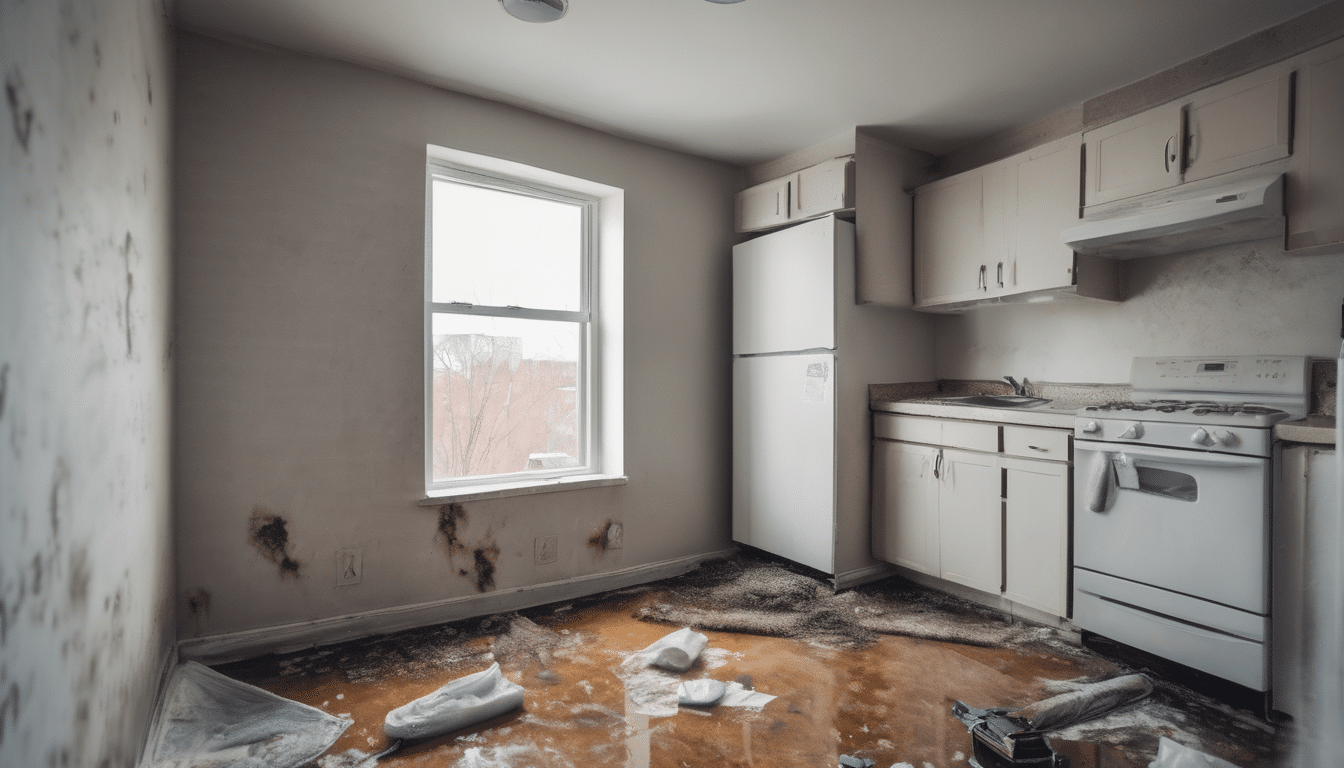
When you suspect mold issues in your Dubai apartment, scheduling a professional inspection becomes crucial for protecting your health and property investment. Understanding What to Expect during 1BR apartment mold inspection helps you prepare adequately and ensures you receive comprehensive service that addresses the unique challenges of UAE’s climate conditions.
Dubai’s year-round air conditioning, high humidity levels, and frequent thermal bridging create specific mold growth patterns that require experienced assessment. A proper inspection goes far beyond visual checking, incorporating scientific methodology to identify both visible and hidden contamination sources that commonly develop in UAE residential properties. This relates directly to What To Expect During 1br Apartment Mold Inspection.
What To Expect During 1br Apartment Mold Inspection – Pre-Inspection Preparation and Scheduling
Proper preparation significantly impacts what to expect during 1BR apartment mold inspection effectiveness. Schedule your inspection during Dubai’s cooler months when possible, as temperature differences enhance thermal imaging accuracy and reveal moisture patterns more clearly.
Before the inspection team arrives, avoid cleaning suspected mold areas for at least 48 hours. Cleaning can disturb spores and reduce surface contamination levels, potentially masking the true extent of contamination. Similarly, refrain from using air fresheners or strong chemicals that might interfere with air sampling results.
Ensure access to all areas including storage spaces, wardrobes, and utility rooms. In Dubai apartments, mold commonly develops behind bathroom tiles, under kitchen sinks, and within air conditioning units. Remove personal items from these areas to allow thorough inspection access.
Document any recent water leaks, flooding incidents, or unusual odours you’ve noticed. This information helps inspectors focus on likely problem areas and understand the contamination timeline. Many Dubai residents discover mold issues following monsoon season water intrusion or air conditioning condensate problems.
Essential Information to Provide
Prepare a timeline of any health symptoms experienced by occupants, particularly respiratory issues or allergic reactions that worsen indoors. Note whether symptoms improve when away from the apartment, as this pattern often indicates indoor air quality problems.
Gather maintenance records for your HVAC system, including recent cleaning or repairs. In Dubai’s climate, poorly maintained air conditioning systems frequently harbour mold growth that spreads throughout apartments via ductwork contamination.
What To Expect During 1br Apartment Mold Inspection – Initial Consultation and Visual Assessment
Professional mold inspectors begin with comprehensive consultation to understand your specific concerns and apartment history. This phase of what to expect during 1BR apartment mold inspection involves detailed discussion about symptoms, observations, and building characteristics that influence mold development.
The visual assessment systematically examines every room, focusing on areas where moisture accumulates in UAE climate conditions. Inspectors look for visible mold growth, water stains, discoloration, and conditions that promote microbial development such as poor ventilation or thermal bridging.
Bathroom areas receive particular attention due to Dubai’s high humidity and frequent condensation issues. Inspectors examine tile grout, ceiling areas, exhaust fans, and hidden spaces behind fixtures where moisture commonly accumulates undetected. When considering What To Expect During 1br Apartment Mold Inspection, this becomes clear.
Kitchen inspections focus on areas around sinks, dishwashers, and refrigerators where plumbing leaks often occur. In Dubai apartments, under-sink areas frequently develop mold due to condensation from cold water pipes in air-conditioned environments.
Bedroom and Living Area Assessment
Living spaces are evaluated for signs of HVAC-related contamination, window condensation issues, and moisture problems from external sources. Dubai’s frequent sandstorms and occasional heavy rains can create water intrusion problems that lead to mold development.
Wardrobes and storage areas are inspected thoroughly, as these enclosed spaces often harbour mold growth in Dubai’s humid conditions. Poor air circulation combined with stored organic materials creates ideal conditions for microbial contamination.
What To Expect During 1br Apartment Mold Inspection – Comprehensive Environmental Testing Procedures
Scientific testing forms the core of what to expect during 1BR apartment mold inspection in Dubai. Professional inspectors use multiple testing methods to identify contamination levels, species present, and potential health risks associated with discovered mold growth.
Air sampling captures airborne spores throughout the apartment, providing data about contamination levels in different rooms. This testing reveals whether mold problems are localised or have spread throughout the living space via air circulation systems.
Surface sampling from suspected contamination areas confirms the presence and species of mold growth. Different species pose varying health risks, and identification helps determine appropriate remediation strategies and urgency levels for addressing discovered problems.
Bulk sampling of materials like drywall, insulation, or carpet may be necessary when contamination extends into building materials. This testing determines whether materials can be cleaned or require replacement during remediation work.
Laboratory Analysis Timeline
Samples collected during your inspection are processed at accredited microbiology laboratories, typically requiring 3-5 business days for complete analysis. Rush processing may be available for urgent situations involving health concerns or property transactions.
Laboratory results provide detailed species identification, contamination levels, and comparison to outdoor control samples that establish baseline spore counts for your area. This scientific data forms the foundation for remediation recommendations and health risk assessment.
Seasonal Considerations for Dubai Inspections
Understanding seasonal patterns significantly impacts what to expect during 1BR apartment mold inspection timing and results. Dubai’s climate creates distinct periods when mold problems are more likely to develop or become apparent to residents.
Summer months, from June through September, present peak mold growth conditions due to extreme humidity and intensive air conditioning use. Thermal bridging between hot exterior walls and cool interior surfaces creates condensation that promotes microbial development throughout apartments.
Winter inspections, particularly December through February, offer advantages for thermal imaging and moisture detection. Temperature differences between indoor and outdoor environments are more pronounced, revealing thermal bridges and insulation problems that contribute to mold growth.
Monsoon season impacts, typically occurring during late summer, can trigger sudden mold development following water intrusion events. Scheduling inspections after heavy rainfall helps identify new contamination sources and assess building envelope integrity.
Optimal Inspection Timing
March and April often provide ideal inspection conditions, as humidity levels moderate while temperature differences remain sufficient for accurate thermal imaging. These months also precede the high-risk summer period, allowing time for remediation before peak mold growth season.
November inspections can reveal problems that developed during the challenging summer months, providing opportunity for remediation before year-end holidays when families spend more time indoors together.
Hidden Mold Detection Methods
Advanced detection techniques form a crucial component of what to expect during 1BR apartment mold inspection, particularly in Dubai where mold commonly develops in concealed locations behind walls, under flooring, or within ceiling spaces.
Borescope inspection involves inserting tiny cameras through small holes to examine inside walls, above ceilings, and under floors without destructive demolition. This technology reveals hidden contamination that visual inspection cannot detect, particularly important in apartments where access is limited.
Moisture meters detect elevated moisture levels in building materials that indicate potential mold growth locations. These instruments identify problem areas before visible mold appears, allowing earlier intervention and prevention of extensive contamination spread.
Thermal imaging cameras reveal temperature variations that indicate moisture problems, insulation defects, and air leakage patterns. In Dubai’s climate, these thermal signatures often pinpoint locations where condensation occurs and mold is likely to develop.
Non-Destructive Investigation Techniques
Professional inspectors prioritise non-destructive methods that minimise damage to apartment finishes while thoroughly investigating suspected contamination. This approach respects tenant rights while ensuring comprehensive assessment of mold problems. The importance of What To Expect During 1br Apartment Mold Inspection is evident here.
When destructive investigation becomes necessary, inspectors obtain permission and carefully document the process. Small exploratory openings provide access for sampling while limiting repair requirements and tenant disruption.
Air Sampling and Surface Testing Protocol
Systematic sampling protocols ensure what to expect during 1BR apartment mold inspection provides accurate, legally defensible results that support remediation decisions and health risk assessment for apartment occupants.
Air sampling uses calibrated pumps to collect specific volumes of air through spore traps that capture airborne particles. Multiple samples from different rooms provide comprehensive data about contamination distribution throughout the apartment space.
Control samples from outdoor air establish baseline spore counts for comparison with indoor results. This comparison determines whether indoor mold levels exceed normal environmental levels and warrant remediation action.
Surface sampling employs sterile swabs or tape lifts to collect material from suspected contamination areas. This direct sampling confirms mold presence and enables species identification for targeted remediation planning.
Quality Assurance Measures
Chain of custody documentation tracks samples from collection through laboratory analysis, ensuring result integrity and legal admissibility if needed for insurance claims or tenant disputes.
Blank samples and field blanks detect potential contamination during the sampling process, validating result accuracy and maintaining scientific credibility of the investigation findings.
HVAC System and Ventilation Evaluation
HVAC assessment represents a critical aspect of what to expect during 1BR apartment mold inspection, as air conditioning systems frequently harbour and distribute mold contamination throughout Dubai apartments.
Ductwork inspection examines supply and return air pathways for visible mold growth, excessive dust accumulation, and moisture problems. In Dubai’s climate, condensation within ducts commonly leads to microbial growth that spreads to living spaces.
Air handling unit evaluation includes checking drain pans, cooling coils, and filtration systems where mold often develops. Poor drainage or inadequate maintenance creates ideal conditions for extensive contamination that affects indoor air quality. Understanding What To Expect During 1br Apartment Mold Inspection helps with this aspect.
Ventilation adequacy assessment determines whether the apartment receives sufficient fresh air exchange to prevent moisture accumulation and mold growth. Many Dubai apartments have inadequate ventilation that contributes to persistent mold problems.
Filter and Component Analysis
Air filter examination reveals contamination levels and system maintenance adequacy. Heavily loaded or mold-contaminated filters indicate system problems that require attention during remediation planning.
Cooling coil inspection identifies biological growth on heat exchange surfaces, which commonly occurs in Dubai’s humid conditions when condensate drainage is inadequate or maintenance is insufficient.
Moisture Mapping and Thermal Imaging
Advanced moisture detection techniques provide essential data for understanding what to expect during 1BR apartment mold inspection, particularly in identifying problem sources that enable mold development in Dubai’s challenging climate.
Thermal imaging reveals temperature variations that indicate moisture intrusion, air leakage, and insulation problems. These thermal signatures help locate hidden water damage and predict where mold growth is likely to occur.
Moisture mapping creates detailed documentation of elevated moisture levels throughout the apartment. This systematic approach identifies patterns that reveal building system failures contributing to mold problems.
Relative humidity measurement in different apartment areas helps assess ventilation adequacy and identifies locations where condensation problems develop. Dubai’s climate requires careful humidity control to prevent mold growth.
Building Physics Analysis
Psychrometric assessment evaluates the relationship between temperature, humidity, and dew point formation throughout the apartment. This analysis predicts where condensation will occur and mold is likely to develop.
Vapour pressure analysis determines whether moisture migration through building materials contributes to mold problems, particularly important in Dubai where temperature and humidity gradients are extreme.
Documentation and Reporting Process
Comprehensive documentation ensures what to expect during 1BR apartment mold inspection provides legally defensible results and clear guidance for remediation decisions that protect occupant health and property value.
Photographic documentation captures visual evidence of contamination, moisture damage, and building conditions that contribute to mold problems. High-resolution images provide detailed records for insurance claims and remediation planning.
Detailed floor plans mark contamination locations, sampling points, and problem areas discovered during inspection. These diagrams guide remediation work and help track problem resolution over time.
Written reports synthesise all findings into clear, actionable recommendations for addressing discovered mold problems. Reports explain health risks, remediation urgency, and prevention strategies specific to Dubai’s climate challenges.
Laboratory Result Integration
Microbiology results are interpreted within the context of building conditions and occupant health concerns. This integration provides comprehensive understanding of contamination significance and appropriate response measures.
Remediation specifications detail the scope of work required to address discovered problems effectively. Clear specifications ensure contractors understand requirements and enable accurate cost estimation for property owners.
Post-Inspection Recommendations and Next Steps
Following completion of what to expect during 1BR apartment mold inspection, professional recommendations guide property owners through appropriate response measures that address both immediate health concerns and long-term prevention strategies.
Remediation priority ranking helps owners understand which problems require immediate attention versus issues that can be addressed during routine maintenance. Health risks and contamination extent determine priority levels for remediation work.
Prevention strategies focus on controlling moisture sources, improving ventilation, and maintaining building systems to prevent mold recurrence. Dubai’s climate requires ongoing vigilance and proactive maintenance to prevent mold problems.
Cost estimates for recommended work help property owners budget for necessary remediation and prevention measures. Estimates typically range from AED 2,000 for minor remediation to AED 15,000 or more for extensive contamination requiring material replacement.
Long-term Monitoring Plans
Follow-up inspection scheduling ensures remediation effectiveness and verifies that mold problems do not recur. Post-remediation verification confirms that corrective measures successfully addressed contamination sources. What To Expect During 1br Apartment Mold Inspection factors into this consideration.
Maintenance recommendations help property owners prevent future mold problems through proper HVAC maintenance, moisture control, and regular inspection of vulnerable areas common in Dubai apartments.
Understanding what to expect during 1BR apartment mold inspection empowers Dubai residents to make informed decisions about their indoor environmental health. Professional inspection provides scientific data necessary for effective remediation and long-term prevention of mold problems that commonly affect UAE residential properties. The investment in thorough inspection, typically ranging from AED 800 to AED 2,500 depending on complexity, provides invaluable information for protecting both health and property investment in Dubai’s challenging climate conditions.