
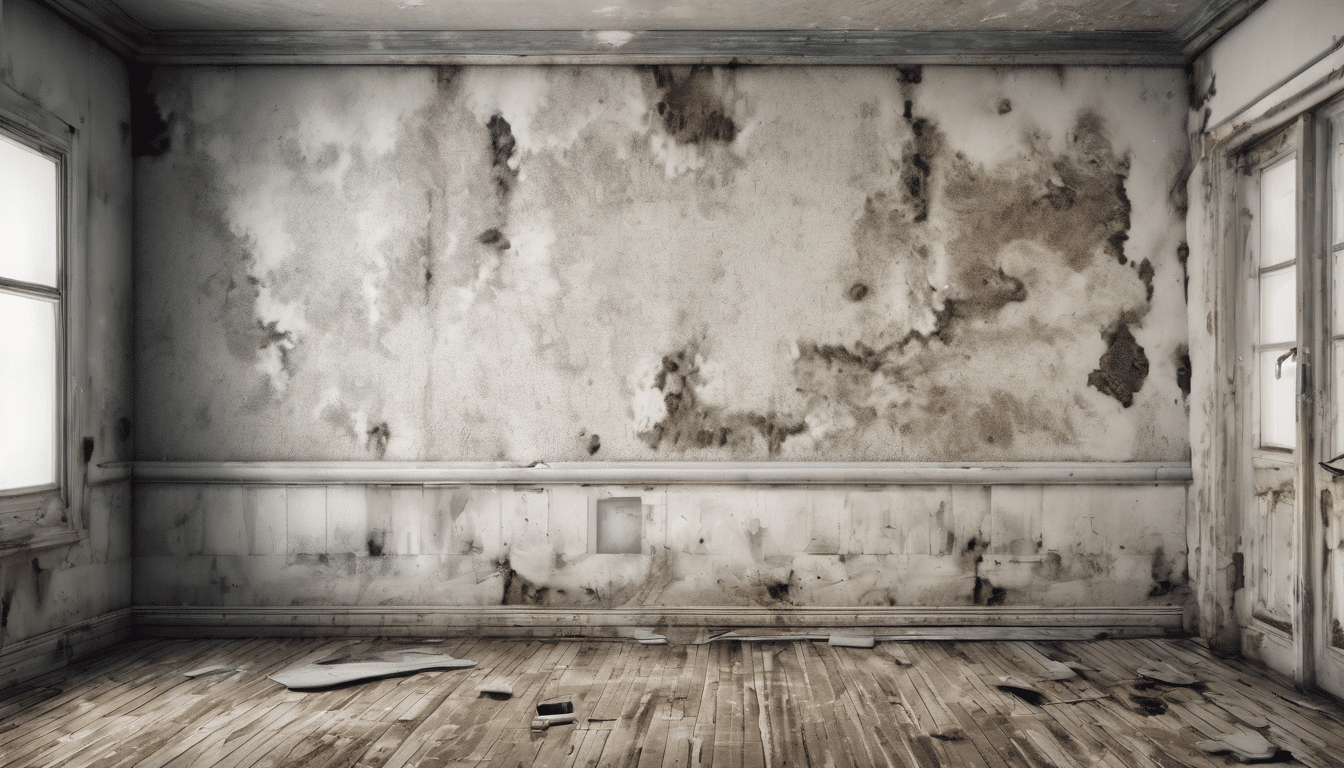
Understanding Mold Inspection After Water Damage Dubai Properties is essential. When water damage strikes Dubai properties, the clock starts ticking immediately. Within 24 to 48 hours, the combination of moisture and Dubai’s year-round warmth creates optimal conditions for mold colonisation. What begins as a water intrusion problem quickly transforms into a complex indoor environmental challenge requiring systematic investigation.
Mold inspection after water damage Dubai properties differs fundamentally from routine mold screening. Water events create unique contamination patterns, hidden moisture pockets, and accelerated microbial growth that standard visual assessments cannot detect. The urgency increases during Dubai’s humid summer months from June through September, when outdoor humidity levels above 80% compound indoor moisture problems.
Mold Inspection After Water Damage Dubai Properties – Understanding Water Damage and Mold Risks in Dubai Climate
Dubai’s unique environmental conditions amplify mold risks following water damage incidents. The emirate’s consistently high temperatures, ranging from 25°C in winter to 45°C in summer, combined with relative humidity levels that regularly exceed 70%, create accelerated microbial growth conditions that differ significantly from temperate climates.
Mold inspection after water damage Dubai properties becomes particularly critical because building materials commonly used in UAE construction absorb and retain moisture differently than those in cooler regions. Gypsum board, timber framing, and composite materials can harbour moisture for weeks following water exposure, especially within air-conditioned environments where surface drying may mask deeper saturation.
The thermal dynamics of Dubai buildings compound these challenges. Continuous air conditioning creates temperature differentials between interior and exterior environments that promote condensation within wall cavities and structural assemblies. When water damage occurs, these same thermal patterns can drive moisture deeper into building materials, creating hidden reservoirs for mold development.
Research indicates that mold spore germination accelerates significantly at temperatures above 30°C with adequate moisture availability. In Dubai’s climate, this means contamination can establish within hours rather than days, making rapid professional assessment essential for containing the problem.
Climate-Specific Mold Species Concerns
Dubai’s environment favours specific mold species that pose particular health and structural risks. Aspergillus niger and Aspergillus fumigatus thrive in the warm, humid conditions following water damage, whilst Stachybotrys chartarum can develop on water-damaged cellulose materials within 48-72 hours under optimal conditions.
These species require different detection approaches and remediation strategies. Professional mold inspection after water damage Dubai properties must account for these regional variations in contamination patterns and growth rates.
Mold Inspection After Water Damage Dubai Properties – Immediate Mold Inspection Timeline After Water Damage
The window for preventing extensive mold contamination following water damage closes rapidly in Dubai’s climate. Understanding the critical timeline helps property owners make informed decisions about inspection scheduling and emergency response.
Within the first 24 hours after water damage, moisture begins penetrating porous building materials. Surface water may be removed, but hidden moisture continues spreading through capillary action and gravity flow. This initial period represents the optimal opportunity for comprehensive moisture mapping and contamination prevention.
Between 24-48 hours, mold spores present in the environment begin germinating on wet surfaces and materials. Visible growth typically does not appear during this phase, making professional inspection equipment essential for detecting early colonisation signs. Temperature and humidity monitoring becomes critical during this period.
48-72 Hour Critical Window
The 48-72 hour period following water damage represents the transition from contamination risk to active mold growth. In Dubai’s warm environment, this timeline accelerates compared to cooler climates. Professional mold inspection after water damage Dubai properties should ideally occur within this window to accurately assess contamination extent before widespread establishment.
After 72 hours, mold colonies begin producing visible growth and releasing spores into the indoor environment. Detection becomes easier but remediation complexity increases significantly. Early intervention through proper inspection protocols can prevent this escalation.
Mold Inspection After Water Damage Dubai Properties – Types of Water Damage Requiring Professional Inspection
Not all water damage incidents require the same level of mold inspection scrutiny. Understanding which situations demand immediate professional assessment helps property owners allocate resources effectively whilst protecting occupant health.
Category 1 water damage involves clean water sources such as broken supply lines, sink overflows, or rainwater intrusion through intact building envelope systems. Whilst initially clean, this water becomes increasingly contaminated as it contacts building materials and remains stagnant. Mold inspection after water damage Dubai properties affected by Category 1 incidents focuses on moisture penetration patterns and drying verification.
Category 2 water contains moderate contamination levels and includes washing machine overflows, toilet bowl overflows without feces, or groundwater seepage. These incidents require more comprehensive inspection protocols because existing contamination accelerates mold establishment and creates additional health concerns.
Category 3 Water Damage
Category 3 water damage involves heavily contaminated sources including sewage backups, flooding from rivers or seawater, and long-standing stagnant water. These incidents present the highest mold risk because contamination levels support rapid microbial growth across multiple species.
Professional mold inspection after water damage Dubai properties affected by Category 3 water requires extensive sampling, air quality assessment, and long-term monitoring protocols. The combination of existing contamination and optimal growth conditions creates complex remediation challenges.
Comprehensive Mold Inspection Process for Water-Damaged Properties
Professional mold inspection following water damage employs systematic protocols that differ significantly from routine indoor air quality assessments. The process begins with comprehensive moisture mapping using thermal imaging cameras, moisture metres, and hygrometers to identify hidden wet areas that visual inspection cannot detect.
Initial assessment focuses on understanding the water damage timeline, affected materials, and environmental conditions present during and following the incident. This information guides sampling strategies and helps predict likely contamination patterns based on building physics and microbial ecology principles.
Surface sampling using tape lifts and swab samples identifies active mold growth on visible surfaces and materials. However, post-water damage inspection extends beyond visible areas to include concealed spaces where moisture may have penetrated. This often requires borescope inspection through small access holes to examine wall cavities, subfloor areas, and ceiling plenum spaces.
Air Sampling Protocols
Air sampling for mold inspection after water damage Dubai properties requires modified protocols compared to standard indoor air quality assessment. Spore trap samples collected at multiple locations help identify airborne contamination patterns and assess cross-contamination risks between affected and unaffected areas.
Viable air sampling using impact samplers or liquid collection methods enables species identification and quantitative assessment of active mold populations. This information guides remediation planning and helps establish clearance criteria for post-remediation verification.
Moisture Assessment Integration
Effective mold inspection integrates moisture assessment throughout the process. Relative humidity monitoring at material surfaces, moisture content measurement in building components, and psychrometric analysis of indoor air conditions provide the foundation for understanding contamination risks and remediation requirements.
Advanced moisture assessment may include hygrothermal modelling to predict long-term drying behaviour and identify materials requiring removal versus those suitable for in-place drying. This approach minimises unnecessary demolition whilst ensuring complete contamination removal.
Seasonal Considerations for Dubai Water Damage Inspections
Dubai’s seasonal patterns significantly influence mold development following water damage, requiring inspection strategies tailored to specific times of year. The summer period from June through September presents the highest risk conditions due to extreme heat combined with high humidity levels from both outdoor air and increased air conditioning loads.
During summer months, mold inspection after water damage Dubai properties must account for accelerated growth rates and increased spore production. The combination of temperatures above 40°C outdoors and high indoor humidity from cooling system operation creates optimal conditions for rapid contamination establishment.
Thermal bridging through building envelopes becomes more pronounced during summer, creating condensation risks that compound water damage impacts. Inspection protocols must examine these areas carefully, as secondary moisture problems often develop in locations distant from the original water intrusion source.
Winter Inspection Considerations
Dubai’s winter period from December through February presents different challenges for water damage assessment. Lower outdoor temperatures reduce evaporation rates, potentially extending the time materials remain wet following water incidents. However, reduced air conditioning loads may decrease indoor humidity levels, slowing mold development. This relates directly to Mold Inspection After Water Damage Dubai Properties.
Winter months often coincide with increased rainfall events that can cause flooding and water intrusion problems. Inspection timing becomes critical during these periods, as multiple properties may experience simultaneous water damage requiring rapid professional response.
Transitional Season Impacts
Spring and autumn months in Dubai create variable conditions that complicate water damage assessment. Fluctuating temperatures and humidity levels can create stop-and-start mold growth patterns that make contamination assessment more challenging.
During transitional periods, mold inspection after water damage Dubai properties requires extended monitoring to capture contamination development patterns that may not be apparent during single-point-in-time assessments.
Hidden Contamination Detection Methods
Water damage creates contamination pathways that extend far beyond visibly affected areas. Professional inspection employs multiple detection methods to identify hidden mold growth that can continue causing problems long after surface restoration appears complete.
Thermal imaging represents the primary tool for detecting hidden moisture patterns that indicate potential mold development sites. Infrared cameras identify temperature differentials caused by evaporative cooling from wet materials, thermal bridging through compromised insulation, and air leakage patterns that can transport moisture and contaminants.
Borescope inspection through minimal invasive access points allows direct visual examination of concealed spaces including wall cavities, above-ceiling areas, and subfloor regions. High-resolution cameras with articulating heads can navigate complex spaces to identify contamination that other methods cannot detect.
Moisture Metre Applications
Professional-grade moisture metres provide quantitative assessment of material moisture content that helps distinguish between surface dampness and deep saturation. Pin-type metres penetrate materials to measure electrical conductivity, whilst pinless metres use electromagnetic fields to assess moisture levels without surface damage. When considering Mold Inspection After Water Damage Dubai Properties, this becomes clear.
For mold inspection after water damage Dubai properties, moisture metres guide sampling decisions and help establish drying priorities. Materials with moisture content above normal ranges require further investigation regardless of visual appearance.
Electronic Leak Detection
Advanced leak detection equipment can identify active moisture sources that may continue feeding mold growth after initial water damage appears resolved. Electronic sensors detect moisture migration patterns and identify ongoing leaks that could compromise remediation efforts.
These tools prove particularly valuable in Dubai properties where complex plumbing and HVAC systems create multiple potential failure points that may not be apparent during visual inspection.
Inspection Costs for Water Damage Cases in Dubai
Professional mold inspection costs for water-damaged properties typically range from AED 800 to AED 2,500 depending on property size, damage extent, and investigation complexity. Basic inspections for single-room water damage in apartments may cost AED 800-1,200, whilst comprehensive assessments for villa properties can reach AED 2,000-2,500.
Emergency inspection services during weekends or holidays typically carry surcharges of 25-50% above standard rates. However, the cost of delayed assessment often exceeds these premiums when contamination establishes and spreads throughout the property.
Mold inspection after water damage Dubai properties requires additional sampling and testing compared to routine assessments. Laboratory analysis fees add AED 150-300 per sample, with comprehensive investigations typically requiring 5-10 samples for accurate assessment.
Insurance Coverage Considerations
Many UAE property insurance policies cover mold inspection costs when performed as part of water damage claim investigation. However, coverage limits and deductibles vary significantly between providers and policy types. The importance of Mold Inspection After Water Damage Dubai Properties is evident here.
Property owners should verify coverage details before scheduling inspection services, as some insurers require pre-approval for inspection costs above specified thresholds. Documentation requirements for insurance claims also influence inspection scope and methodology.
Cost-Benefit Analysis
Professional inspection costs represent a small fraction of potential remediation expenses when contamination establishes throughout a property. Early detection through proper assessment can limit remediation costs to AED 3,000-8,000 for localised problems, compared to AED 15,000-50,000 for whole-property contamination.
The health protection value of proper inspection cannot be quantified in monetary terms, making professional assessment a prudent investment for protecting family welfare and property value.
Preventing Mold Growth Following Water Damage
Successful mold prevention following water damage requires immediate action combined with systematic monitoring throughout the drying process. The first priority involves stopping ongoing water intrusion sources and removing standing water as quickly as possible.
Professional water extraction within the first 24 hours significantly reduces contamination risk by limiting moisture exposure time for building materials. However, extraction alone cannot remove moisture that has penetrated into porous materials requiring additional drying methods.
Dehumidification and air circulation must begin immediately following water removal to accelerate evaporation from affected materials. In Dubai’s climate, proper dehumidification requires understanding psychrometric relationships between temperature, humidity, and drying capacity.
Material Assessment and Removal
Certain building materials cannot be effectively dried and must be removed to prevent mold establishment. Carpet padding, insulation materials, and porous ceiling tiles typically require replacement when saturated with water. Understanding Mold Inspection After Water Damage Dubai Properties helps with this aspect.
Mold inspection after water damage Dubai properties helps identify which materials can be salvaged through proper drying versus those requiring removal. This assessment prevents unnecessary demolition whilst ensuring complete contamination prevention.
Environmental Control Strategies
Maintaining indoor relative humidity below 60% during the drying process prevents mold spore germination on wet surfaces. This requires powerful dehumidification equipment capable of overcoming Dubai’s high ambient humidity levels.
Temperature control also influences drying effectiveness and contamination risk. Moderate warming accelerates evaporation whilst avoiding conditions that promote rapid mold growth.
Documentation Requirements for Insurance Claims
Proper documentation during mold inspection creates the foundation for successful insurance claims and legal protection. Insurance companies require specific evidence types to process water damage and mold contamination claims effectively.
Photographic documentation must capture the full extent of water damage, affected materials, and environmental conditions present during inspection. Time-stamped images showing moisture metre readings, thermal imaging results, and sampling locations provide objective evidence of contamination extent.
Laboratory reports from accredited microbiology facilities carry significant weight in insurance claim evaluation. Chain-of-custody documentation and quality assurance records demonstrate sampling integrity and result reliability.
Professional Reporting Standards
Comprehensive inspection reports for mold inspection after water damage Dubai properties must include detailed findings, supporting data, and clear recommendations for remediation or monitoring. Reports should address causation relationships between water damage and observed contamination.
Professional certifications and laboratory accreditations strengthen report credibility during insurance claim review processes. Independent third-party assessment often carries more weight than contractor-generated reports.
Timeline Documentation
Insurance claims require clear timelines showing water damage occurrence, discovery, and response actions. Detailed chronologies help establish coverage eligibility and demonstrate reasonable response efforts by property owners.
Continuous monitoring records during drying and remediation processes provide evidence of proper mitigation efforts and help support claims for additional damages that develop over time.
Professional mold inspection after water damage represents a critical investment in property protection and occupant health. Dubai’s unique climate conditions create accelerated contamination risks that require immediate expert assessment using specialised equipment and protocols. Early detection through proper inspection enables targeted remediation whilst preventing widespread contamination that could affect entire properties.
The combination of Dubai’s warm temperatures, high humidity levels, and modern building construction creates complex contamination pathways that visual assessment alone cannot identify. Professional inspection protocols employing thermal imaging, moisture assessment, and strategic sampling provide the comprehensive evaluation necessary for effective remediation planning.
Property owners facing water damage should prioritise professional mold inspection within 24-48 hours to maximise prevention opportunities and minimise long-term health and financial impacts. The investment in proper assessment typically represents less than 10% of potential remediation costs whilst providing essential protection for family health and property value. Understanding Mold Inspection After Water Damage Dubai Properties is key to success in this area.