
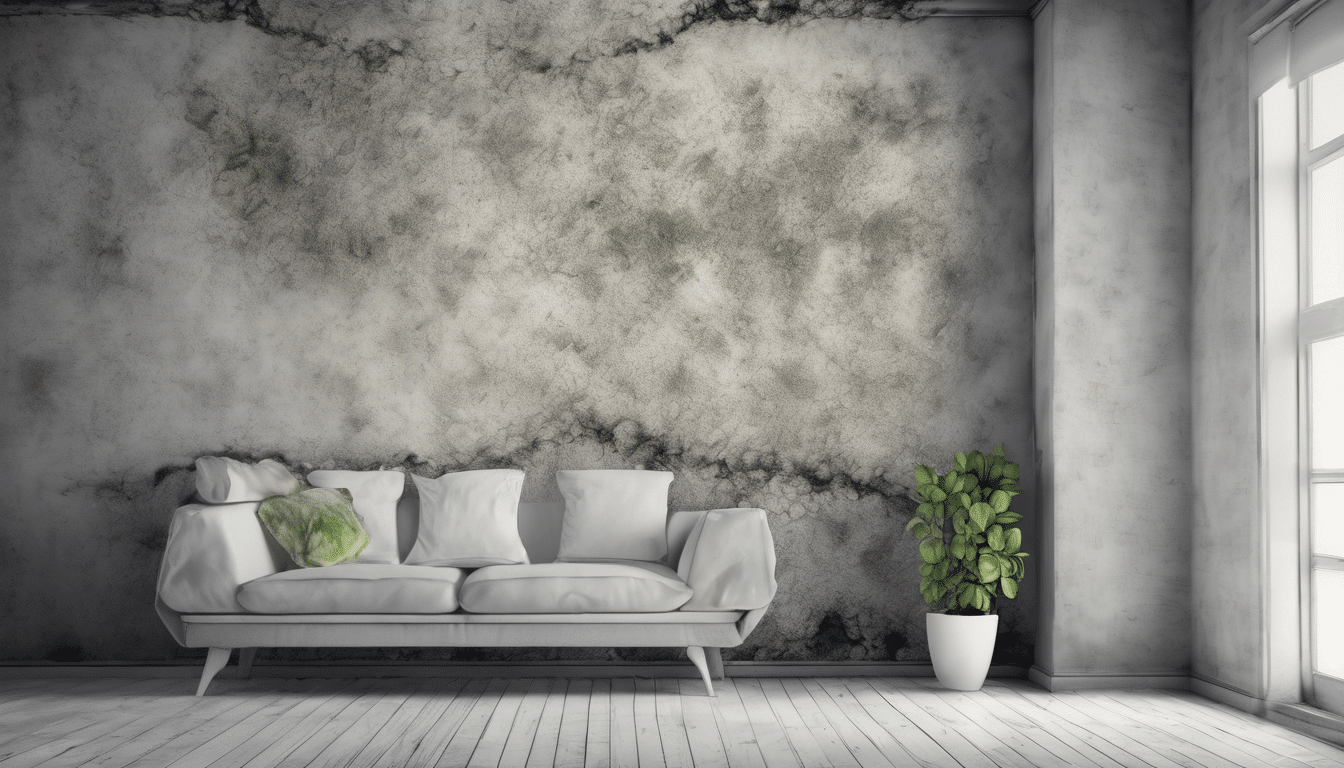
Understanding Hidden Mold Behind Walls: Detection And Removal Methods is essential. Hidden mold behind walls represents one of the most challenging indoor environmental problems facing Dubai homeowners. Unlike surface mold growth that announces itself visually, concealed contamination develops silently within wall cavities, creating health risks and structural damage before occupants realise the extent of the problem. The unique climate conditions in the UAE, characterised by extreme heat, high humidity, and extensive air conditioning use, create perfect conditions for hidden mold proliferation behind building envelopes.
Professional investigation of Hidden Mold Behind walls requires sophisticated detection methods and systematic removal protocols. In our investigations across Dubai’s residential properties, we consistently discover that traditional visual inspections miss approximately 70% of actual contamination. This comprehensive guide examines proven detection techniques, removal methodologies, and preventive strategies specifically designed for UAE building conditions. This relates directly to Hidden Mold Behind Walls: Detection And Removal Methods.
Understanding hidden mold behind walls: detection and removal methods becomes essential when conventional approaches fail to resolve recurring indoor air quality issues, unexplained health symptoms, or persistent musty odours without visible sources.
Hidden Mold Behind Walls: Detection And Removal Methods – Understanding Hidden Mold Formation Behind Walls
Hidden mold behind walls develops through predictable building science mechanisms that remain invisible until advanced detection methods reveal the contamination. In Dubai’s climate, three primary conditions converge to create optimal growth environments within wall assemblies: thermal bridging, vapour condensation, and moisture intrusion from external sources. When considering Hidden Mold Behind Walls: Detection And Removal Methods, this becomes clear.
Thermal bridging occurs when interior air conditioning creates temperature differentials across wall components. Cold surfaces within wall cavities reach dew point temperatures, causing water vapour to condense on building materials. This condensation provides the moisture necessary for mold establishment, particularly on organic materials like drywall backing paper, wooden framing, or cellulose insulation.
Water intrusion from building envelope failures represents another common pathway for hidden mold development. Compromised weatherproofing, failed window seals, or roof membrane breaches allow moisture penetration into wall cavities. Once moisture enters these concealed spaces, limited airflow prevents proper drying, creating sustained humidity levels above 60% relative humidity where mold thrives.
HVAC system defects frequently contribute to hidden mold behind walls through ductwork condensation, inadequate vapour barriers, or improper ventilation design. When cool supply air encounters warm wall surfaces, condensation accumulates within cavities. This mechanism explains why hidden mold problems often correlate with energy-efficient buildings that prioritise sealed envelopes without adequate moisture management. The importance of Hidden Mold Behind Walls: Detection And Removal Methods is evident here.
Species Commonly Found in Wall Cavities
Laboratory analysis of samples from Dubai wall cavities consistently identifies specific mold species adapted to concealed environments. Stachybotrys chartarum, commonly called black mold, proliferates on paper-faced drywall when moisture levels remain elevated for extended periods. This species produces mycotoxins that create health concerns for sensitive occupants.
Aspergillus species, particularly A. niger and A. fumigatus, establish readily in wall insulation materials and wooden framing components. These organisms tolerate lower moisture levels than Stachybotrys and often represent the first colonisers in developing contamination scenarios.
Chaetomium species target cellulose-based materials within wall assemblies, creating characteristic musty odours that penetrate through wall surfaces. When occupants report persistent musty smells without visible mold sources, Chaetomium contamination within walls frequently explains the phenomenon. Understanding Hidden Mold Behind Walls: Detection And Removal Methods helps with this aspect.
Hidden Mold Behind Walls: Detection And Removal Methods – Professional Detection Methods for Hidden Mold
Professional detection of hidden mold behind walls requires systematic investigation protocols that combine multiple diagnostic techniques. Single-method approaches consistently underestimate contamination extent and miss critical growth areas that influence occupant health and building integrity.
The investigative sequence begins with moisture mapping to identify elevated humidity zones within wall assemblies. Professional-grade moisture metres with deep-wall probes penetrate wall surfaces to measure moisture content in framing materials and insulation. Readings above 19% moisture content in wood framing or 12% in drywall indicate conditions supporting mold growth.
Thermal imaging provides non-invasive visualisation of temperature anomalies that suggest moisture accumulation or air leakage within wall cavities. Infrared cameras detect thermal signatures associated with wet building materials, condensation patterns, or air movement through wall assemblies. These thermal anomalies guide targeted investigation for hidden mold behind walls: detection and removal methods.
Borescope inspection allows direct visual examination of wall cavities through minimal access points. Professional borescopes with LED illumination and high-resolution cameras reveal actual mold growth on concealed surfaces. This technique confirms suspected contamination without extensive demolition, enabling precise scope development for removal protocols.
Air Quality Sampling Strategies
Air sampling for hidden mold requires strategic collection protocols that account for concealed contamination sources. Standard indoor air samples may not detect spores from wall cavities if growth remains enclosed within building assemblies. Professional investigations employ wall cavity air sampling through small access holes to directly measure contamination levels within concealed spaces.
Spore trap sampling provides quantitative analysis of mold concentrations and species identification from wall cavity environments. This data enables comparison between concealed contamination levels and indoor air quality measurements. Significant elevation in wall cavity spore counts compared to indoor levels suggests active hidden mold requiring removal intervention. Hidden Mold Behind Walls: Detection And Removal Methods factors into this consideration.
Surface sampling from accessible wall cavity areas confirms species identification and contamination extent. Tape lift samples or sterile swabs collect material for laboratory analysis, providing definitive confirmation of hidden mold behind walls: detection and removal methods effectiveness.
Hidden Mold Behind Walls: Detection And Removal Methods – Thermal Imaging Diagnostics for Wall Cavities
Thermal imaging diagnostics represent the most effective non-invasive method for detecting moisture conditions that support hidden mold behind walls. Professional infrared cameras detect temperature differentials as small as 0.1°C, revealing thermal signatures associated with moisture accumulation, air leakage, or building envelope defects.
The optimal thermal imaging protocol requires controlled environmental conditions to maximise temperature differentials between wet and dry building materials. In Dubai’s climate, conducting thermal surveys during early morning hours when exterior temperatures are coolest provides maximum contrast with air-conditioned interior spaces. This relates directly to Hidden Mold Behind Walls: Detection And Removal Methods.
Wall surface temperature variations indicate moisture content differences in underlying materials. Wet insulation or framing components appear cooler than surrounding dry areas due to evapotranspiration effects. These thermal patterns guide targeted investigation for hidden mold contamination areas requiring detailed assessment.
Thermal bridging detection through infrared imaging reveals structural elements that create condensation pathways within wall assemblies. Metal studs, concrete tie-backs, or thermal bridges appear as linear thermal anomalies that indicate moisture accumulation zones. These areas frequently harbour hidden mold growth requiring specific removal attention.
Equipment Specifications and Techniques
Professional thermal imaging for hidden mold detection requires cameras with minimum 320×240 pixel resolution and thermal sensitivity of 0.08°C or better. Lower resolution equipment lacks sufficient detail for accurate moisture pattern identification within building assemblies. When considering Hidden Mold Behind Walls: Detection And Removal Methods, this becomes clear.
Temperature differential analysis compares suspect areas with known dry reference points on the same wall surface. Temperature differences exceeding 2°C between adjacent areas suggest moisture content variations warranting further investigation through invasive moisture testing or borescope examination.
Thermal imaging documentation must include both infrared and visible light images to provide accurate location reference for follow-up investigation. GPS coordinates and detailed photographic records enable precise identification of anomalous areas during subsequent removal operations.
Moisture Mapping Techniques and Equipment
Moisture mapping provides quantitative assessment of water content within wall assemblies, enabling precise identification of conditions supporting hidden mold growth. Professional moisture detection combines multiple measurement techniques to create comprehensive contamination risk profiles for building areas. The importance of Hidden Mold Behind Walls: Detection And Removal Methods is evident here.
Pin-type moisture metres with insulated electrodes penetrate wall surfaces to measure electrical conductivity in building materials. Moisture content readings above species-specific thresholds indicate conditions supporting mold establishment. Wood framing materials exceeding 19% moisture content and drywall above 12% moisture content represent elevated contamination risk zones.
Non-invasive moisture detection uses electromagnetic fields to assess moisture content without surface penetration. These instruments detect moisture presence several centimetres below surface materials, enabling screening of large wall areas before targeted invasive testing. Elevated readings guide precise pin-type testing for quantitative moisture assessment.
Relative humidity measurement within wall cavities provides environmental data supporting mold growth potential. Professional hygrometers inserted through small access holes measure actual humidity conditions within concealed spaces. Sustained relative humidity above 60% confirms conditions favouring hidden mold behind walls: detection and removal methods implementation.
Documentation and Analysis Protocols
Moisture mapping documentation requires systematic recording of measurement locations, readings, and environmental conditions during assessment. Digital moisture metres with data logging capability provide permanent records of building moisture conditions supporting contamination risk analysis.
Wall cavity environmental monitoring over 24-48 hour periods reveals moisture fluctuation patterns that influence mold growth potential. Temperature and humidity data loggers placed within wall assemblies document actual conditions supporting or inhibiting contamination development.
Moisture gradient analysis identifies moisture migration pathways within wall assemblies that concentrate contamination in specific zones. Understanding moisture movement patterns enables targeted removal strategies that address contamination sources rather than isolated growth areas. Understanding Hidden Mold Behind Walls: Detection And Removal Methods helps with this aspect.
Air Sampling Protocols for Concealed Growth
Air sampling protocols for hidden mold detection require strategic collection methods that account for concealed contamination sources within wall assemblies. Standard indoor air sampling may not detect spores from enclosed wall cavities where growth remains isolated from interior air circulation.
Wall cavity air sampling through minimal access holes provides direct measurement of contamination levels within concealed spaces. Professional air sampling pumps draw measured air volumes through sterile collection devices inserted into wall cavities. This technique quantifies actual contamination levels in growth environments.
Comparative air sampling between wall cavities, indoor air, and outdoor control samples establishes contamination significance and source identification. Elevated spore concentrations in wall cavity samples compared to indoor levels confirm hidden contamination requiring removal intervention. Hidden Mold Behind Walls: Detection And Removal Methods factors into this consideration.
Spore trap analysis provides quantitative assessment of mold concentrations and species identification from wall cavity environments. Laboratory examination identifies specific organisms present, enabling targeted removal protocols based on contamination characteristics and health risk assessment.
Sampling Strategy Development
Sampling location selection targets suspected contamination areas identified through moisture mapping, thermal imaging, or occupant health symptoms. Multiple sampling points within large wall systems provide contamination distribution assessment supporting comprehensive removal scope development.
Sample timing considers environmental conditions that influence spore release from concealed growth areas. Disturbance sampling after controlled air pressure changes within wall cavities can increase spore detection from hidden sources. This relates directly to Hidden Mold Behind Walls: Detection And Removal Methods.
Quality assurance protocols include field blanks, duplicate samples, and chain-of-custody documentation ensuring reliable laboratory results supporting removal decision-making. Professional sampling meets laboratory requirements for accurate analysis and legal documentation standards.
Hidden Mold Removal Methods Comparison
Hidden mold behind walls: detection and removal methods vary significantly in effectiveness, cost, and disruption to occupied spaces. Professional removal strategies must address contamination extent, building materials involved, and occupant health considerations while maintaining structural integrity.
Selective removal focuses on contaminated materials while preserving unaffected building components. This approach requires precise contamination mapping to identify affected areas and appropriate containment protocols preventing cross-contamination during removal operations. Selective removal proves cost-effective for limited contamination areas but demands thorough investigation ensuring complete scope identification. When considering Hidden Mold Behind Walls: Detection And Removal Methods, this becomes clear.
Complete wall assembly removal addresses extensive contamination or uncertainty about contamination extent. This comprehensive approach eliminates contaminated materials and allows visual verification of removal completeness. However, complete removal increases costs significantly and requires extensive reconstruction following remediation completion.
In-place treatment attempts to address contamination without material removal through chemical application or other intervention methods. While potentially less disruptive, in-place treatment cannot address contaminated materials that continue supporting regrowth and may provide false confidence in contamination resolution.
Removal Method Effectiveness Analysis
Selective removal effectiveness depends entirely on accurate contamination mapping and appropriate scope definition. When investigation properly identifies contamination extent, selective removal achieves complete contamination elimination at minimal cost and disruption. However, inadequate investigation leads to incomplete removal and contamination persistence requiring additional intervention. The importance of Hidden Mold Behind Walls: Detection And Removal Methods is evident here.
Complete wall assembly removal guarantees contamination elimination but at significantly higher costs. Material replacement, reconstruction, and extended project duration increase total project costs by 200-300% compared to selective removal approaches. This method proves necessary for extensive contamination or high-risk occupancies requiring absolute contamination elimination.
In-place treatment shows limited long-term effectiveness for hidden mold behind walls because contaminated porous materials continue supporting regrowth after treatment application. Chemical treatments may temporarily suppress visible growth without addressing underlying contamination in building materials.
Containment Strategies During Wall Removal
Containment strategies during hidden mold removal protect unaffected building areas and occupants from cross-contamination during demolition and removal operations. Professional containment design considers contamination extent, building layout, and HVAC system configuration to prevent spore dispersal beyond work areas. Understanding Hidden Mold Behind Walls: Detection And Removal Methods helps with this aspect.
Critical containment barriers include plastic sheeting sealed with professional tape systems creating complete isolation between work areas and occupied spaces. Double-layer polyethylene barriers with overlapping seams provide redundant protection against containment failure during aggressive demolition activities.
Negative pressure systems using HEPA-filtered air scrubbers maintain airflow from clean areas toward contaminated work zones. Pressure differentials of minimum 5 Pascals ensure contaminated air cannot migrate from work areas into occupied spaces. Continuous pressure monitoring confirms containment effectiveness throughout removal operations.
Air filtration during removal operations captures airborne spores released during demolition activities. HEPA filtration systems with minimum 99.97% efficiency at 0.3-micron particle sizes remove mold spores from work area air before exhaust to exterior locations. Hidden Mold Behind Walls: Detection And Removal Methods factors into this consideration.
Occupant Protection Protocols
Occupant protection during hidden mold removal requires comprehensive strategies addressing both airborne contamination and direct contact exposure risks. Temporary relocation may be necessary for sensitive occupants, including children, elderly individuals, or persons with compromised immune systems.
Personal protective equipment requirements for removal workers include respiratory protection with P100 filtration, protective clothing, and eye protection. Proper PPE prevents worker exposure and reduces contamination tracking from work areas into clean building zones.
Decontamination procedures for personnel and equipment leaving work areas prevent contamination spread throughout the building. Established decontamination chambers with cleaning protocols ensure complete removal of surface contamination before personnel enter clean areas. This relates directly to Hidden Mold Behind Walls: Detection And Removal Methods.
Cost Analysis for Dubai Properties
Hidden mold behind walls: detection and removal methods costs in Dubai vary significantly based on contamination extent, building materials, and chosen removal approach. Professional investigation costs typically range from AED 2,500 to AED 8,500 for comprehensive assessment including thermal imaging, moisture mapping, and laboratory analysis.
Detection phase costs include thermal imaging surveys at AED 150-250 per room, moisture mapping at AED 800-1,500 per property, and air sampling analysis at AED 450-650 per sample. Borescope inspection adds AED 300-500 per wall area examined. Total detection costs typically represent 15-25% of overall project expenses.
Removal costs depend heavily on contamination scope and chosen methodology. Selective removal averages AED 200-400 per square metre of affected wall area, while complete wall assembly replacement ranges from AED 600-1,200 per square metre including reconstruction. Material replacement, labour, and containment systems represent primary cost components. When considering Hidden Mold Behind Walls: Detection And Removal Methods, this becomes clear.
Professional removal services in Dubai typically charge AED 150-250 per hour for certified technicians, with project duration depending on contamination extent and chosen removal method. Average hidden mold projects require 3-7 working days for completion including containment setup, removal operations, and post-remediation verification.
Cost-Benefit Analysis of Methods
Selective removal provides optimal cost-effectiveness when investigation accurately identifies contamination boundaries. Projects with limited, well-defined contamination achieve complete resolution at AED 8,000-25,000 total cost for typical residential applications.
Complete wall assembly removal increases total project costs to AED 20,000-55,000 for similar contamination areas but eliminates uncertainty about removal completeness. This approach proves cost-effective for extensive contamination or high-value properties where contamination recurrence creates significant liability. The importance of Hidden Mold Behind Walls: Detection And Removal Methods is evident here.
DIY detection methods cost AED 500-1,500 for basic equipment but lack accuracy and professional interpretation capability. Inadequate detection frequently leads to incomplete removal, contamination persistence, and additional professional intervention costs exceeding original professional investigation expenses.
Prevention Recommendations After Removal
Prevention strategies following hidden mold removal address underlying building conditions that enabled original contamination development. Successful prevention requires correction of moisture sources, improvement of ventilation systems, and implementation of ongoing monitoring protocols preventing recontamination.
Moisture control improvements include building envelope repairs addressing water intrusion pathways, HVAC system modifications preventing condensation, and vapour barrier installation controlling moisture migration within wall assemblies. These corrections address root causes rather than treating contamination symptoms.
Ventilation system improvements ensure adequate air exchange rates and humidity control throughout building areas. Proper ventilation design prevents moisture accumulation in wall cavities while maintaining comfortable interior conditions. Mechanical ventilation systems require regular maintenance ensuring continued effectiveness.
Ongoing monitoring programs enable early detection of moisture conditions before mold establishment occurs. Regular moisture measurements, thermal imaging surveys, and environmental monitoring provide early warning systems preventing contamination recurrence.
Long-term Maintenance Protocols
Building maintenance protocols should include annual moisture assessments of previously affected areas to confirm continued dry conditions. Professional moisture mapping identifies developing problems before visible contamination appears, enabling preventive intervention.
HVAC system maintenance prevents conditions supporting hidden mold development through regular filter replacement, ductwork inspection, and humidity control system servicing. Proper system operation maintains environmental conditions preventing mold establishment.
Occupant education regarding moisture source prevention enables early identification and correction of conditions supporting contamination development. Understanding building systems and moisture sources empowers occupants to prevent problems through appropriate facility management practices.
Professional verification of prevention effectiveness through periodic environmental assessment confirms successful contamination prevention and building performance. Annual or biennial assessment provides confidence in building health and early identification of developing moisture problems requiring intervention.
Hidden mold behind walls represents a complex building science challenge requiring systematic investigation, appropriate removal methods, and comprehensive prevention strategies. Professional detection methods enable accurate contamination assessment, while proven removal protocols ensure complete elimination without cross-contamination risks. Understanding these methods empowers property owners to make informed decisions protecting both building integrity and occupant health through evidence-based intervention strategies. Understanding Hidden Mold Behind Walls: Detection And Removal Methods is key to success in this area.