
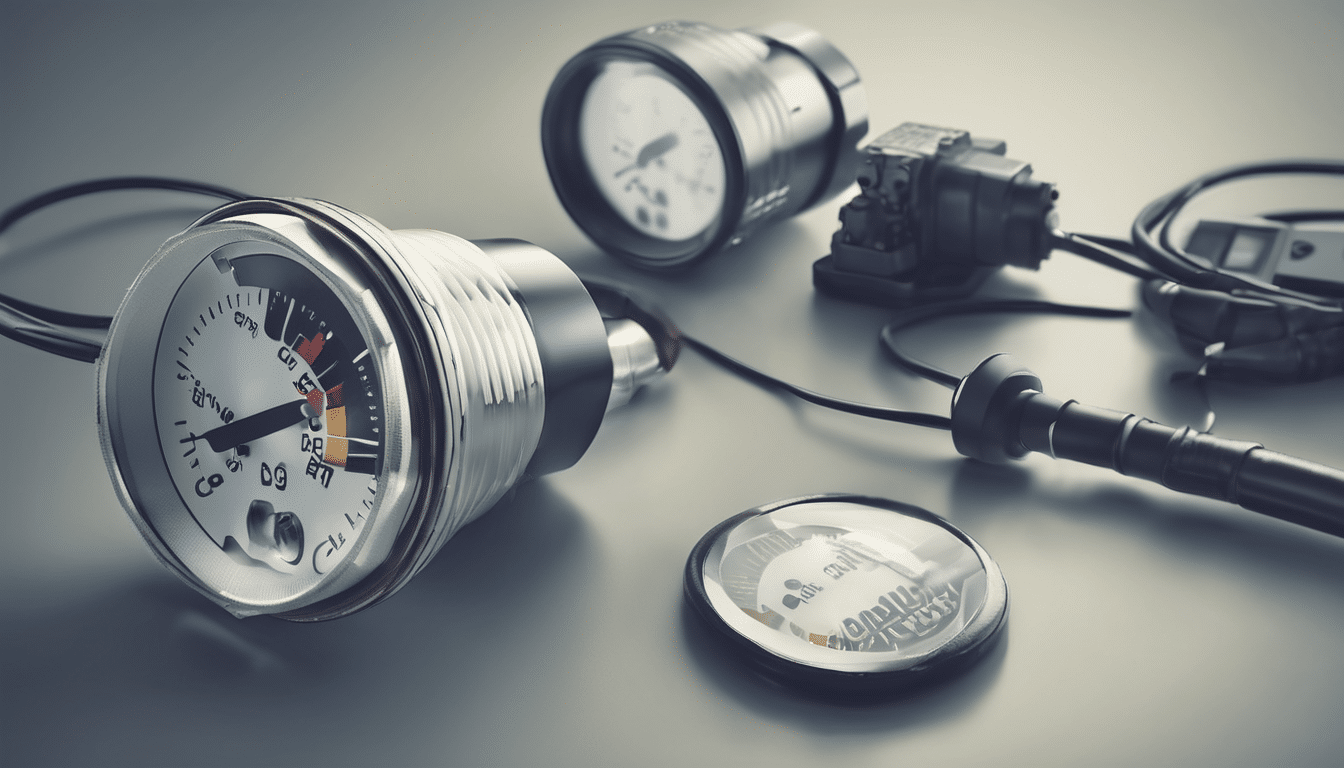
Understanding Choosing The Right Co2 Sensor Technology is essential. Discover the key factors and features that make a difference when choosing CO2 sensors for indoor air quality. Learn how to pick the best sensor for your needs.
—EXCERPT—
Understanding CO2 levels is crucial for maintaining healthy indoor environments, especially in commercial spaces. This guide helps you choose the right CO2 sensor technology by exploring key factors and features essential for effective monitoring. This relates directly to Choosing The Right Co2 Sensor Technology.
—
—
Indoor air quality (IAQ) is a critical aspect of our daily lives, and carbon dioxide (CO2) monitoring plays an essential role in ensuring healthy environments. This comprehensive guide helps you select the most suitable CO2 sensor technology for your specific needs, providing insights into key features, common mistakes to avoid, and reliable recommendations.
—
Choosing The Right Co2 Sensor Technology: Understanding CO2 Sensors
CO2 sensors are devices that measure the concentration of carbon dioxide in the air. These sensors help identify and address issues related to poor indoor air quality by providing real-time data on CO2 levels, which can be indicative of ventilation adequacy and occupant density.
Understanding choosing the right CO2 sensor technology is crucial for effective indoor air quality management. CO2 sensors come in various types, each with unique characteristics and capabilities that can impact their performance and suitability for different applications.
—
Types of CO2 Sensor Technology
The primary types of CO2 sensor technology include:
- Non-dispersive infrared (NDIR) sensors: Highly accurate, long-lasting, but more expensive. Suitable for critical environments like hospitals or schools.
- Negative pressure sensors: Less precise than NDIR but less costly. Common in general commercial settings.
- Catalytic bead sensors: Inexpensive and reliable, though less accurate over time. Suitable for basic monitoring applications.
Choosing the right CO2 sensor technology depends on your specific requirements, budget, and intended use case. NDIR sensors are ideal for precise and consistent measurements in sensitive environments, while catalytic bead sensors offer a more cost-effective solution for basic monitoring.
—
Choosing The Right Co2 Sensor Technology: Key Features to Consider
When selecting CO2 sensor technology, consider the following key features:
- Accuracy and Precision: Look for sensors with high accuracy and precision, as this directly impacts their reliability in monitoring CO2 levels.
- Response Time: Sensors with faster response times provide more timely data, which is crucial for quick action on IAQ issues.
- Range of Measurement: Ensure the sensor can measure CO2 levels within your desired range (typically 400-3,000 ppm).
- Life Span and Maintenance: Consider the longevity of the sensor, calibration requirements, and ease of maintenance.
- Data Logging and Reporting Capabilities: Sensors with integrated data logging and reporting can help you track historical trends and identify patterns over time.
Choosing a CO2 sensor that meets these key features ensures reliable and accurate monitoring of indoor air quality, enabling proactive measures to improve occupant health and comfort.
—
Choosing The Right Co2 Sensor Technology: Common Mistakes to Avoid
Many people make common mistakes when choosing CO2 sensors. Here are some pitfalls to avoid:
- Inadequate Sensor Placement: Placing sensors in areas with poor airflow can lead to inaccurate readings and misinterpretation of data.
- Ignores Sensor Calibration: Failing to regularly calibrate sensors can result in unreliable measurements, compromising the integrity of your IAQ monitoring system.
- Poor Maintenance Practices: Neglecting regular maintenance and cleaning can shorten sensor life and affect accuracy.
Avoid these common mistakes to ensure that your CO2 monitoring system provides accurate, reliable data for effective IAQ management.
—
Reliable Recommendations
Based on the key features and considerations outlined above, here are some reliable CO2 sensor recommendations:
- For precise and critical applications: Airocide 9000 with NDIR technology. This sensor offers high accuracy and long-lasting performance.
- For general commercial settings: Honeywell T100. It provides reliable measurements at a reasonable cost.
- For basic monitoring applications: MSA 2460. This catalytic bead sensor is budget-friendly and suitable for less demanding environments.
These recommendations offer a balance of accuracy, cost-effectiveness, and reliability, making them ideal choices for various indoor air quality monitoring needs in the UAE.
—
Installation and Calibration
Proper installation and calibration are crucial for ensuring accurate CO2 measurements. Follow these guidelines:
- Install sensors strategically: Place sensors in areas with good airflow, avoiding dead zones or high concentrations of contaminants.
- Calibrate regularly: Calibrate your sensor according to the manufacturer’s instructions to maintain accuracy over time.
- Regular Maintenance: Clean and inspect your CO2 sensors periodically to ensure they are functioning correctly.
Proper installation and calibration play a vital role in ensuring the reliability of your CO2 monitoring system, providing accurate data for effective IAQ management.
—
Expert Tips for CO2 Sensor Selection
To help you make an informed decision when choosing a CO2 sensor:
- Evaluate your specific needs: Determine the level of accuracy and precision required based on your application.
- Consider cost-effectiveness: Balance performance with budget constraints to find the best value for your monitoring system.
- Prioritize reliability: Choose sensors from reputable manufacturers with a proven track record in the industry.
Following these expert tips ensures that you select the most suitable CO2 sensor technology for your specific needs, leading to effective indoor air quality management and improved occupant health.
—
Frequently Asked Questions
- Q: Can a single CO2 sensor effectively monitor large spaces?
- A: While a single sensor can provide an average reading, it may not capture local variations in CO2 levels. Consider multiple sensors for more accurate monitoring.
- Q: How often should I calibrate my CO2 sensor?
- A: Calibrate your sensor at least once a year or according to the manufacturer’s recommendations to maintain accuracy.
- Q: What are the signs of poor indoor air quality related to CO2 levels?
- A: Symptoms include fatigue, headaches, and reduced concentration. High CO2 levels often correlate with inadequate ventilation in enclosed spaces.
These FAQs provide practical insights into common concerns related to CO2 sensor selection and usage, helping you make informed decisions for your specific needs.
—
Conclusion
Selecting the right CO2 sensor technology is essential for maintaining healthy indoor air quality in commercial spaces. By understanding the key features, avoiding common mistakes, and following expert tips, you can ensure accurate monitoring and effective management of IAQ. Remember to prioritize accuracy, reliability, and cost-effectiveness when choosing your sensors.
Choosing the right CO2 sensor technology sets the foundation for creating a healthy indoor environment, safeguarding occupant health, and enhancing overall productivity in UAE buildings.
—
References
- https://www.ansi.org/standards/co2-standards
- https://www.epa.gov/iaq-schools/iqa-guide-cov2-monitors
- https://www.idf.org/about-idf/policy-research/indoor-air-quality/air-quality-standards-and-guidelines/carbon-dioxide-standard
—
Image Alt Text
“Choosing the Right CO2 Sensor Technology – A sensor being calibrated in a controlled environment to ensure accurate indoor air quality monitoring.” (max 125 chars)
—ALT_TEXT—
Choosing the Right CO2 Sensor Technology – A sensor being calibrated in a controlled environment to ensure accurate indoor air quality monitoring
—TAGS—
CO2 sensors, indoor air quality, IAQ management, carbon dioxide monitoring, HVAC systems, building ventilation
—
This article provides an in-depth guide on choosing the right CO2 sensor technology for effective indoor air quality management. It covers key features, common mistakes, reliable recommendations, and expert tips to help readers make informed decisions.