
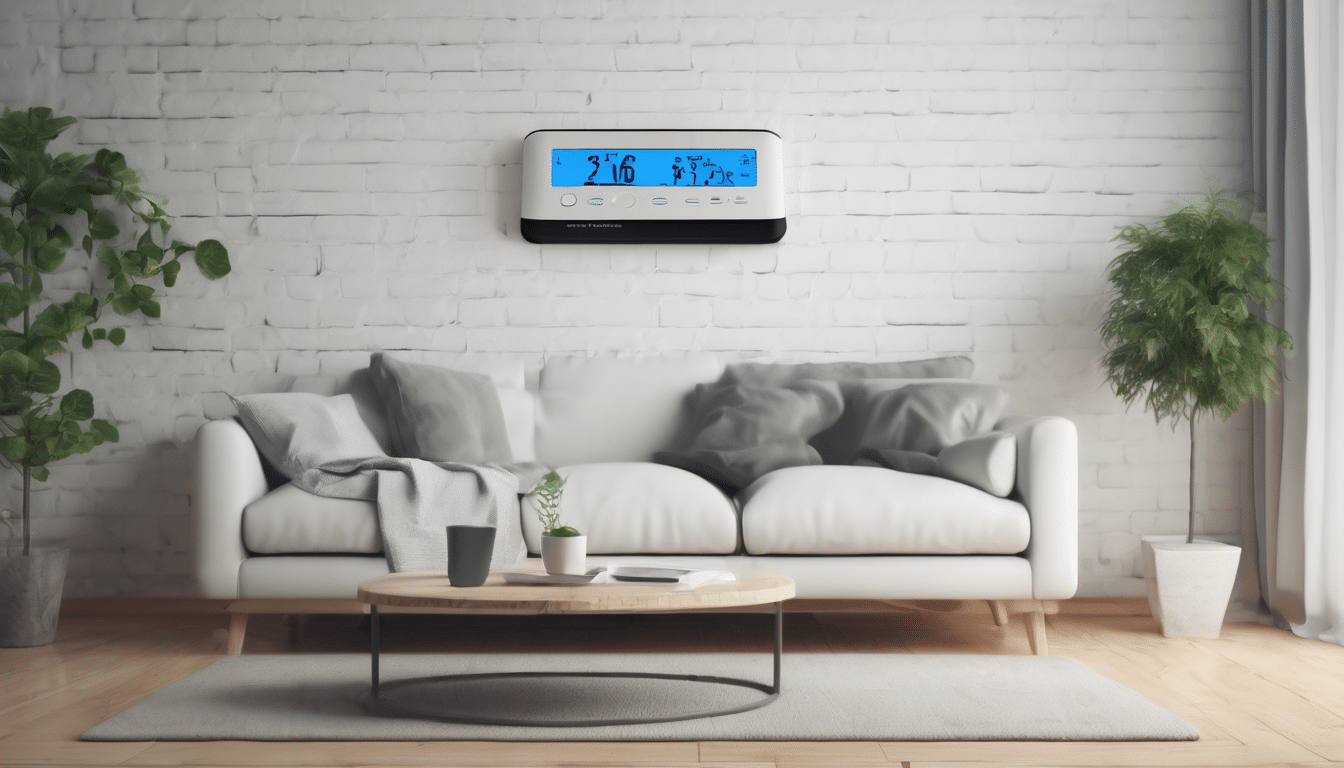
Understanding Installing A Co2 Monitoring System In Your Home is essential. —
Title:
10 Essential Steps to Installing a CO2 Monitoring System in Your Home
—
META:
Installing a CO2 monitoring system can significantly improve indoor air quality and your family’s health. Learn 10 essential steps to get started.
—
EXCERPT:
Understanding the importance of installing a CO2 monitoring system in your home, this article provides 10 essential steps to ensure you have clean and healthy indoor air. Whether you’re looking to enhance the comfort or safety of your living space, these detailed instructions will guide you through every stage of the process.
—
CONTENT:
Introduction
Installing a CO2 monitoring system in your home can significantly improve indoor air quality (IAQ) and overall health. Carbon dioxide (CO2) is one of several indicators of poor IAQ, as it builds up when there’s not enough fresh air流通。
—
Title:
10 Essential Steps to Installing a CO2 Monitoring System in Your Home
—
META:
Installing a CO2 monitoring system can significantly improve indoor air quality and your family’s health. Learn 10 essential steps to get started.
—
EXCERPT:
Understanding the importance of installing a CO2 monitoring system in your home, this article provides 10 essential steps to ensure you have clean and healthy indoor air. Whether you’re looking to enhance the comfort or safety of your living space, these detailed instructions will guide you through every stage of the process.
—
CONTENT:
Introduction
Installing a CO2 monitoring system in your home can significantly improve indoor air quality (IAQ) and overall health. Carbon dioxide (CO2) is one of several indicators of poor IAQ, as it builds up when there’s not enough fresh air. High levels of CO2 can lead to headaches, drowsiness, and other symptoms that affect both comfort and productivity. In this article, we’ll walk you through the 10 essential steps for installing a CO2 monitoring system in your home.
Table of Contents
—
Step 1: Assessing Your Needs
Before installing a CO2 monitoring system, it’s crucial to assess your specific needs. Consider factors such as the size of your home, the number of occupants, and any particular areas that may require closer attention (e.g., bedrooms, living rooms). This step ensures you choose the right system for your environment.
Step 2: Selecting the Right Sensor
Choose a CO2 sensor that meets your needs. Look for sensors with high accuracy, easy installation, and reliable data reporting. Some advanced models also offer alerts when levels exceed safe thresholds. Consider whether you want a standalone unit or one that integrates with smart home systems.
Step 3: Planning Installation Site
Carefully plan the location of the CO2 sensor to ensure accurate readings. Commonly recommended locations include living rooms, kitchens, and areas where people spend significant time. Avoid placing sensors near doors or windows, as this can affect accuracy due to air flow patterns.
Step 4: Acquiring Permissions
Depending on your local regulations, you may need to obtain permits or inform relevant authorities about the installation of a monitoring system. In Dubai, for instance, check with your neighborhood management and building codes before proceeding.
Step 5: Installing the Sensor
Follow the manufacturer’s instructions carefully during installation. Typically, this involves attaching the sensor to a wall or ceiling using provided adhesive or mounting hardware. Ensure it is placed in an area that provides consistent airflow without obstructions.
Step 6: Connecting to Monitors or Smart Devices
Connect your CO2 sensor to monitors or smart devices for real-time data analysis and alerts. Many systems allow you to set up notifications on smartphones, tablets, or computers. This step ensures you can receive immediate alerts when CO2 levels become concerning.
Step 7: Calibrating the Sensor
Regular calibration is essential to ensure accurate readings over time. Most sensors come with built-in calibration features or require periodic manual adjustments. Follow the manufacturer’s instructions for proper calibration procedures and intervals.
Step 8: Monitoring and Analyzing Data
Once installed, monitor CO2 levels regularly using your chosen devices. Analyze trends and patterns in data to identify potential issues or areas needing improvement. High levels of CO2 may indicate inadequate ventilation; lower them by opening windows, running fans, or improving HVAC performance.
Step 9: Troubleshooting Common Problems
Common issues include sensor drift, improper placement, and communication failures. Address these problems promptly to maintain accurate readings. Consult the user manual for troubleshooting steps specific to your model.
Step 10: Maintaining the System
Regular maintenance ensures optimal performance of your CO2 monitoring system. This includes cleaning sensors periodically, checking connections, and ensuring that all components function correctly. Follow manufacturer recommendations for maintenance schedules and procedures.
—
Expert Tips Section
– Tip 1: Regularly clean or replace filters in HVAC systems to improve overall air quality.
– Tip 2: Ensure your home is well ventilated by opening windows when possible, especially during periods of high CO2 levels.
– Tip 3: Use plants to naturally purify indoor air; certain species can help reduce CO2 and other pollutants.
– Tip 4: Consider installing additional sensors in key areas for more comprehensive monitoring.
– Tip 5: Educate family members on the importance of maintaining good IAQ practices, such as avoiding smoking indoors.
—
FAQ Section
1. How often should I check my CO2 levels?
– Regularly monitor CO2 levels daily or hourly depending on your system settings and preferences. High levels can occur quickly in enclosed spaces.
2. What is a safe level of CO2 for indoor environments?
– Aim to keep CO2 levels below 1000 ppm (parts per million). Levels above this threshold may indicate poor ventilation.
3. Can I install the sensor myself, or do I need professional help?
– For most setups, you can install a CO2 monitoring system yourself with basic tools and following instructions carefully. However, if you encounter technical issues or have complex installation needs, consider consulting an expert.
4. What are some signs that my home’s IAQ is poor despite having a sensor?
– Look out for symptoms like headaches, dizziness, fatigue, or respiratory issues. Persistent discomfort may indicate underlying issues needing further investigation.
5. How can I improve CO2 levels if they are consistently high?
– Improve ventilation by opening windows, using exhaust fans, and ensuring that HVAC systems are functioning properly. Additional strategies include increasing the number of plants in your home and optimizing air circulation.
—
Conclusion
Installing a CO2 monitoring system is a vital step towards enhancing indoor air quality in your home. By following these 10 essential steps, you can ensure accurate readings, timely alerts, and effective management of CO2 levels. Regular maintenance and proper installation are key to achieving long-term benefits for both comfort and health.
—
Tags:
CO2 Monitoring System, Indoor Air Quality, IAQ Assessment, Home Ventilation, Smart Sensors
— Understanding Installing A Co2 Monitoring System In Your Home is key to success in this area.
ALT_TEXT:
Installing a CO2 Monitoring System in Your Home – Step-by-step guide with sensor placement and monitoring tips.