
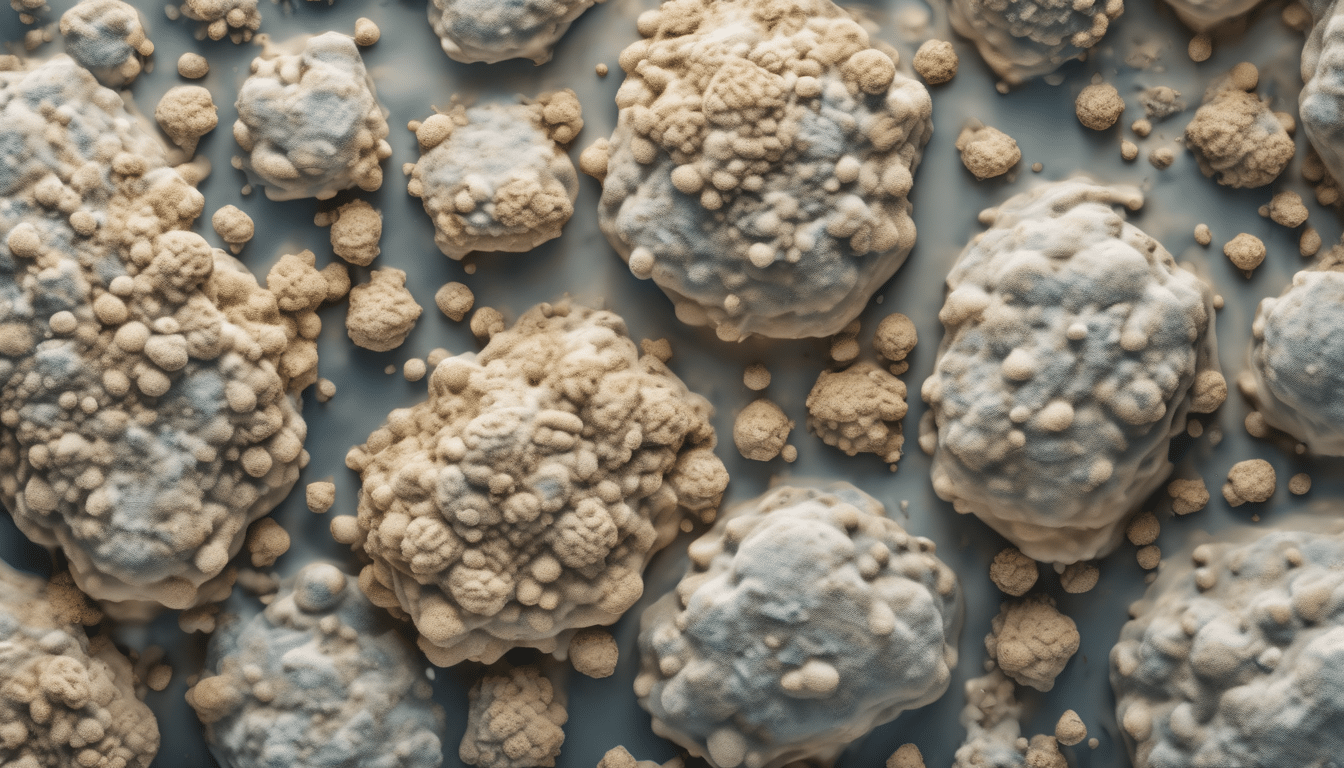
Understanding Mold Toxicity: Understanding Mycotoxins And Health Risks is essential. Mold toxicity is a pressing concern in the Middle East, with Dubai and other regions experiencing humid conditions that promote mold growth. This article explores the hidden dangers of mycotoxins, their health risks, and what you can do to mitigate these threats in your home or workplace.
Mold Toxicity: Understanding Mycotoxins And Health Risks: What Are Mycotoxins?
Mold toxicity is often associated with mycotoxins, toxic secondary metabolites produced by certain mold species. These fungi thrive in damp and humid environments, common conditions found in many Dubai homes due to the region’s climate. Mycotoxins can contaminate indoor air, surfaces, and even water systems, posing significant health risks to occupants. This relates directly to Mold Toxicity: Understanding Mycotoxins And Health Risks.
Mycotoxins are not just a nuisance; they are potent toxins that can cause severe health issues when ingested, inhaled, or absorbed through the skin. They are of particular concern because they can remain dormant for long periods before causing symptoms, making them difficult to detect and treat. When considering Mold Toxicity: Understanding Mycotoxins And Health Risks, this becomes clear.
Mold Toxicity: Understanding Mycotoxins And Health Risks – Health Risks of Mold Toxicity
The health risks associated with mold toxicity are profound and varied. The primary concerns revolve around respiratory issues, immune system suppression, neurological effects, and cancer risk. The importance of Mold Toxicity: Understanding Mycotoxins And Health Risks is evident here.
- Respiratory Issues: Exposure to mycotoxins can lead to chronic sinusitis, bronchitis, asthma, and other respiratory problems. In Dubai, where air quality is already a concern due to high levels of particulate matter, adding mold toxins further exacerbates the issue.
- Allergies: Mold spores trigger allergic reactions in sensitive individuals, leading to symptoms like itchy eyes, runny nose, and skin irritation. For many residents in Dubai, managing allergies is a daily challenge due to dust mites, pollen, and now, mold contamination.
- Immune System Suppression: Mycotoxins can weaken the immune system, making individuals more susceptible to infections and other diseases. In a city like Dubai, where expatriates from diverse backgrounds live together, this risk is particularly concerning for children and elderly residents.
- Nerve Damage: Certain mycotoxins have been linked to neurological disorders such as memory loss, cognitive decline, and even Parkinson’s disease. The exposure to these toxins can be subtle but cumulative, leading to long-term health impacts.
- Cancer Risk: Research indicates that prolonged exposure to mycotoxins increases the risk of developing various types of cancer, including lung, liver, and stomach cancers. This is particularly alarming given the high levels of humidity in Dubai, which can facilitate mold growth in homes and offices.
Mold Toxicity: Understanding Mycotoxins And Health Risks – Why Dubai Is at Risk for Mold Toxicity
Dubai’s climate and building practices make it an ideal environment for mold to thrive. The city experiences high humidity levels, especially during the summer months, which create favorable conditions for mold growth in homes and workplaces. Understanding Mold Toxicity: Understanding Mycotoxins And Health Risks helps with this aspect.
- Humidity Levels: Dubai’s average relative humidity ranges from 50% to 80%, providing a perfect breeding ground for mold. The city’s rapid development has led to an increase in modern, energy-efficient buildings that can trap moisture and create hidden pockets of mold growth.
- Building Materials: Many construction materials used in Dubai, such as gypsum board and insulation, are highly susceptible to moisture damage, leading to conditions conducive for mold formation. The use of recycled building materials can also contribute to the presence of harmful molds.
- Air Conditioning Systems: HVAC systems in Dubai often struggle with maintaining optimal air quality due to high humidity levels. This creates a continuous cycle where moisture is introduced into indoor environments, leading to increased mold growth and toxin production.
The combination of these factors makes Dubai particularly vulnerable to the hidden dangers of mold toxicity, which can have far-reaching impacts on public health. Mold Toxicity: Understanding Mycotoxins And Health Risks factors into this consideration.
How to Identify Hidden Mold Growth
Hidden mold growth is a significant concern in indoor environments, and it often goes undetected until serious health issues arise. Here are some key indicators and methods for identifying hidden mold: This relates directly to Mold Toxicity: Understanding Mycotoxins And Health Risks.
- Visible Signs: While visible signs of mold can be alarming, they only represent the surface contamination. More extensive hidden growth may exist behind walls, under floors, or within HVAC systems.
- Musty Odor: A persistent musty smell in your home or office is a common indicator of hidden mold. This odor often lingers even after cleaning and can be a sign that the mold has taken hold in unseen areas.
- Cold Surfaces: In buildings with poor insulation, cold spots can indicate moisture accumulation, which may be accompanied by mold growth. Using thermal imaging cameras can help identify these hidden areas.
- Water Damage: Any signs of water damage, such as stained or discolored walls and ceilings, should prompt a thorough inspection for hidden mold. This is especially critical in areas with high humidity and poor ventilation.
- Health Symptoms: Persistent respiratory issues, allergies, and unexplained health complaints may be linked to hidden mold growth. A comprehensive indoor environmental assessment can help pinpoint the source of these symptoms.
To effectively address hidden mold in Dubai, it is crucial to employ a multidisciplinary approach that combines architectural analysis with microbiological testing. This ensures that all potential sources of contamination are identified and addressed appropriately. When considering Mold Toxicity: Understanding Mycotoxins And Health Risks, this becomes clear.
Expert Tips for Preventing Mold Toxicity
Preventing mold toxicity requires a proactive approach that addresses both the visible and hidden aspects of mold growth. Here are some expert tips to help you maintain a healthy indoor environment: The importance of Mold Toxicity: Understanding Mycotoxins And Health Risks is evident here.
- Regular Inspections: Schedule regular inspections by certified professionals who can use advanced diagnostic tools, such as thermal imaging cameras and moisture meters, to detect hidden mold.
- Proper Ventilation: Ensure that your home or office has adequate ventilation systems. In Dubai’s humid climate, this is crucial for preventing the buildup of moisture that supports mold growth.
- Moisture Management: Address any sources of water intrusion promptly to prevent mold from taking hold. This includes fixing leaks, addressing condensation issues, and maintaining proper drainage systems.
- Hygienization Programs: Implement hygienization programs that include regular cleaning and disinfection of high-risk areas. Use environmentally friendly products that do not contribute to indoor air pollution.
- Air Quality Monitoring: Install air quality monitoring systems to track particulate matter, VOCs, and other pollutants. This data can help you make informed decisions about ventilation and filtration systems.
By following these tips, you can significantly reduce the risk of mold toxicity in your home or workplace, ensuring a healthier indoor environment for all occupants.
FAQs about Mold Toxicity and Mycotoxins
- Q1: Can mold cause respiratory issues?
- Absolutely. Mold spores can trigger allergic reactions, asthma, bronchitis, and other respiratory problems. In Dubai’s climate, the risk of such issues is heightened due to high humidity levels.
- Q2: What are the common symptoms of mold toxicity?
- The symptoms vary but can include coughing, wheezing, chest tightness, fatigue, headaches, and memory loss. Persistent allergy-like symptoms should be investigated for potential mold exposure.
- Q3: How do I know if my home has hidden mold?
- Look for persistent musty odors, visible water damage, and cold spots identified by thermal imaging. Regular inspections by professionals can also help detect hidden mold growth.
Conclusion: Addressing the Hidden Dangers of Mold Toxicity
Mold toxicity is a serious health concern that requires attention in Dubai’s humid climate. Understanding mycotoxins and their health risks is crucial for maintaining a safe indoor environment. By recognizing hidden mold growth, implementing preventive measures, and seeking professional assistance when needed, you can protect yourself and your loved ones from the harmful effects of mold toxicity.
Remember, addressing mold toxicity is not just about cleaning up visible contamination; it involves a comprehensive approach that considers both the architectural and biological aspects of indoor environments. Stay informed and proactive to ensure a healthier living space in Dubai’s unique climate. Understanding Mold Toxicity: Understanding Mycotoxins And Health Risks is key to success in this area.