
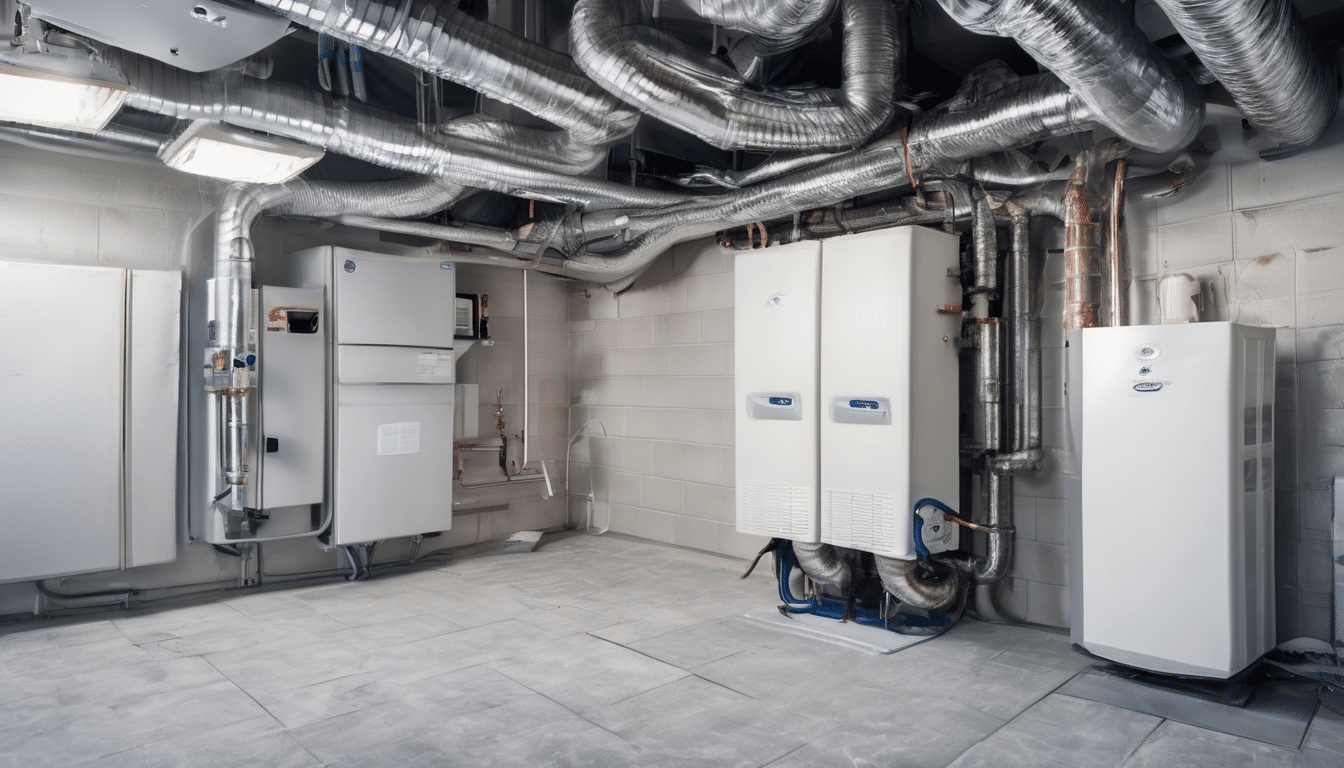
Understanding How HVAC Systems Can Impact Mold Remediation Success is essential. —
—
Understanding How HVAC Systems Can Impact Mold Remediation Success
How HVAC systems can impact mold remediation success is a critical aspect of any indoor environmental health investigation. In this article, we delve into the intricacies of how your heating, ventilation, and air conditioning (HVAC) system influences moisture management, airflow, and overall building dynamics, all of which are key factors in preventing mold regrowth after remediation.
—
Table of Contents
—
How Hvac Systems Can Impact Mold Remediation Success – Hidden Moisture Sources in Dubai Homes That Lead to Mold
Moisture is the primary driver of mold growth, and HVAC systems play a significant role in managing this moisture. In Dubai’s climate, high humidity levels and frequent condensation events can create ideal conditions for mold proliferation. Hidden sources of moisture within HVAC systems include:
- Ductwork leaks and poorly sealed joints
- Condensate pans that are clogged or not properly drained
- Insufficient insulation leading to condensation on pipes and ducts
Understanding these hidden moisture sources is crucial for ensuring effective mold remediation. Regular maintenance of your HVAC system can help identify and address issues before they lead to mold growth.
—
How Hvac Systems Can Impact Mold Remediation Success – Building Envelope Failures Contributing to Post-Mold Growth
The building envelope, including walls, windows, and roof, must be intact to prevent moisture intrusion. HVAC systems can contribute to these failures in several ways:
- Seal breaches that allow outdoor moisture into the conditioned space
- Inadequate insulation leading to temperature differentials and condensation
- Leaky windows or doors allowing water ingress during rain events
Addressing these building envelope failures is essential for preventing mold regrowth. A thorough investigation of the HVAC system’s impact on the building envelope can reveal hidden issues that need to be corrected.
—
How Temperature and Humidity Affect Mold Growth
Mold thrives in warm, humid environments. HVAC systems must maintain optimal temperature and humidity levels to prevent mold growth:
- Insufficient cooling can lead to elevated temperatures, promoting fungal spore germination
- Poorly designed or malfunctioning dehumidifiers can result in excessive moisture
- Inadequate ventilation can trap moisture within the HVAC system and conditioned space
Regular monitoring of temperature and humidity levels is essential. Implementing advanced HVAC controls and sensors can help maintain a balanced environment, reducing the risk of mold regrowth.
—
Choosing Safe and Effective Antimicrobial Agents for Mold
Antimicrobial agents are often used during mold remediation to prevent regrowth. However, not all products are created equal:
- Ethanol-based solutions can be effective but may pose health risks if improperly applied
- Benzalkonium chloride (BZK) is a common ingredient in many antimicrobial agents but has limited efficacy against certain mold species
- Formaldehyde is a strong preservative but is toxic and should be used with caution
Selecting the right product requires thorough research. Consulting with an indoor environmental scientist can help identify safe and effective options that align with your specific needs.
—
The Role of Airflow in Mold Prevention
Airflow is a critical factor in mold prevention, as it influences moisture distribution and temperature regulation:
- Improper ductwork design can lead to stagnant air pockets where moisture accumulates
- Lack of proper filtration can allow contaminants into the HVAC system, contributing to mold growth
- Inadequate supply and return vents can cause uneven airflow patterns, leading to localized condensation
Optimizing your HVAC system’s airflow is essential for preventing mold regrowth. Regular cleaning and maintenance of filters and ductwork can help ensure proper air distribution.
—
Practical Tips for Long-Term Success
To achieve long-term success in mold remediation, follow these practical tips:
- Invest in regular HVAC system maintenance to identify and address issues early
- Ensure proper sealing of all building envelope components to prevent moisture intrusion
- Monitor temperature and humidity levels using advanced sensors and controls
- Select safe and effective antimicrobial agents based on expert recommendations
- Optimize airflow patterns through ductwork design and filter maintenance
- Regularly inspect and clean HVAC systems to prevent hidden moisture sources
By implementing these tips, you can significantly reduce the risk of mold regrowth and maintain a healthy indoor environment.
—
Frequently Asked Questions
- Q: Can I DIY HVAC maintenance to prevent mold?
- A: While DIY maintenance can be beneficial, it’s recommended that you engage a professional to ensure thorough and safe practices.
- Q: How often should I replace my HVAC filters?
- A: Filters should be replaced every three months or as recommended by the manufacturer. More frequent changes may be necessary in humid environments like Dubai.
- Q: Are there any natural mold remediation methods that work well?
- A: Natural remedies can be used, but they should not replace professional solutions. Always consult an indoor environmental expert for the best results.
—
Conclusion
Understanding how HVAC systems impact mold remediation success is crucial for achieving long-term results. By addressing hidden moisture sources, building envelope failures, and optimizing temperature and humidity levels, you can significantly reduce the risk of mold regrowth. Regular maintenance and professional oversight are key to ensuring a healthy indoor environment.
—
[How HVAC Systems Can Impact Mold Remediation Success – A guide for preventing future growth in Dubai homes]