
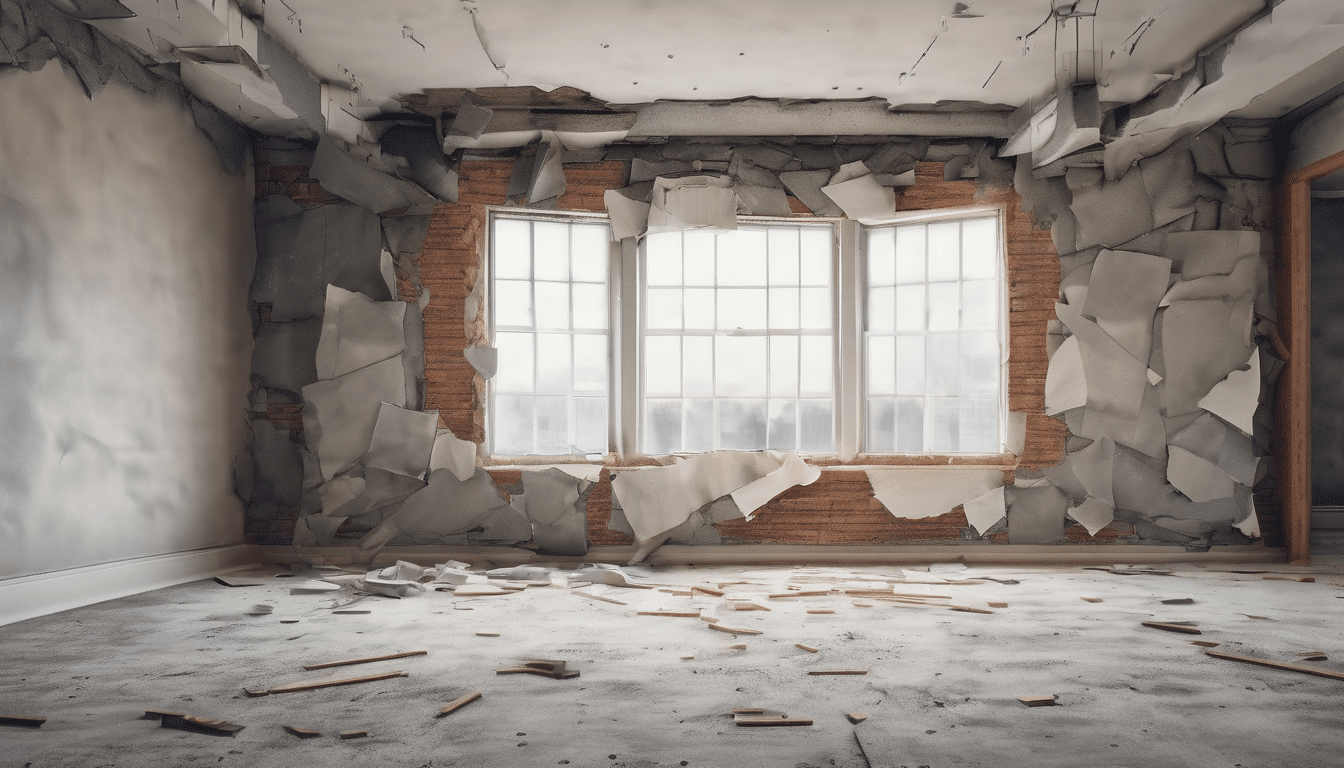
Understanding Building Envelope Failures Contributing To Post-mold is essential. —
TITLE—
—
META—
Mold remediation is only effective if the underlying issues are addressed. Building envelope failures can contribute significantly to post-mold situations.
—
EXCERPT—
Building envelopes play a crucial role in maintaining indoor air quality and preventing mold growth. Failures in these critical systems often lead to recurring mold problems after remediation. Learn how building envelope issues can impact your home or property’s long-term health.
—
CONTENT—
What Are Building Envelope Failures Contributing to Post-Mold?
Building envelope failures refer to the structural weaknesses or defects in a building’s external walls, roofs, and floors that compromise its ability to control temperature, humidity, and air quality. These failures can lead to recurring mold issues after remediation if not properly addressed.
Mold thrives in environments with excessive moisture and poor ventilation. Building envelope failures often create hidden moisture sources, leading to repeated mold growth even after thorough remediation efforts.
How Do Building Envelopes Failure Lead to Mold Growth?
Building envelope failures typically manifest through several mechanisms that directly contribute to mold proliferation:
- Water Intrusion: Leaks from roofs, walls, or plumbing can saturate building materials and create ideal conditions for mold growth.
- Air Infiltration: Poorly sealed windows, doors, or gaps in the envelope allow outside moisture to enter the building.
- Condensation: Cold surfaces within the building envelope can cause condensation when warm air meets cooler materials.
Common Causes of Building Envelope Failures in Dubai Homes
Dubai’s climate, characterized by high humidity and extreme temperature fluctuations, exacerbates the risk of building envelope failures. Some common causes include:
- Construction Defects: Poor workmanship or substandard materials during construction can lead to long-term issues.
- Misalignment of Components: Improper installation of insulation, flashing, and sealants can create gaps that allow moisture ingress.
- Material Degradation: Over time, building materials may degrade due to exposure to elements like sunlight or chemical pollutants.
Hidden Moisture Sources Contribution to Post-Mold
Hidden moisture sources are often the root cause of post-mold growth. These can include:
- Wall Cavities: Gaps behind walls may contain unseen water damage, leading to mold growth.
- Floor Joists and Subfloors: Moisture in these areas can go undetected until mold appears.
- Attics and Roofs: Leaks from roofs or inadequate attic ventilation can saturate insulation, causing hidden growth.
How HVAC Systems Impact Building Envelope Failures
Air conditioning systems play a critical role in maintaining indoor air quality. However, improper installation or maintenance can exacerbate building envelope failures:
- Duct Leaks: Air leaks from ducts into the living spaces can introduce excessive humidity.
- Insufficient Insulation: Lack of proper insulation in HVAC systems allows cold air to condense on surfaces, leading to moisture accumulation.
- Improper Ventilation: Inadequate exhaust fans and ventilation systems can trap moisture within the building envelope.
Choosing Safe and Effective Antimicrobial Agents for Mold
To address post-mold growth effectively, it’s crucial to select appropriate antimicrobial agents:
Read more: Choosing Safe And Effective Antimicrobial Agents For Mold
- Biocide Selection: Choose products that are EPA-approved and have a proven track record in controlling mold.
- Safety Considerations: Ensure the chosen agent is safe for use in indoor environments and does not emit harmful fumes.
- Efficacy Testing: Laboratory testing can confirm the effectiveness of selected antimicrobial agents against specific mold species found in your environment.
Expert Tips on Preventing Post-Mold Growth
To prevent post-mold growth, follow these expert tips:
- Thermal Imaging Inspections: Regular thermal imaging can help identify hidden moisture sources and potential envelope failures.
- Hygrothermal Modeling: Use hygrothermal modeling to understand the moisture dynamics within your building envelope.
- Proper Ventilation Design: Ensure that ventilation systems are properly designed to prevent condensation and air infiltration.
- Maintenance Checks: Regularly inspect building components for signs of wear and tear, addressing issues promptly.
- Professional Oversight: Engage professional indoor environmental consultants to ensure comprehensive evaluation and remediation.
Frequently Asked Questions About Building Envelope Failures Contributing to Post-Mold
Here are answers to common questions about building envelope failures and their impact on post-mold growth:
- Why do hidden moisture sources matter? Hidden moisture can lead to repeated mold growth, even after remediation. Identifying these sources is crucial for long-term prevention.
- How can I tell if my building envelope is failing? Look for signs like water stains, peeling paint, or musty odors. Thermal imaging and hygrothermal modeling can provide deeper insights.
- What are the risks of using ineffective antimicrobial agents? Ineffective agents may not fully address mold issues, leading to regrowth and potential health risks for occupants.
Conclusion on Building Envelope Failures Contributing to Post-Mold
The key to preventing post-mold growth lies in addressing the root causes of building envelope failures. By understanding these issues and taking proactive measures, you can ensure long-term health and safety for your home or property.
Regular inspections, professional oversight, and a holistic approach are essential to maintaining a mold-free environment. For more information on indoor environmental diagnostics and remediation services, contact Saniservice today.
—
TAGS—
Building Envelope Failures Contributing to Post-Mold, Indoor Environmental Health, Dubai Homes, Mold Remediation, HVAC Systems
—
ALT_TEXT—
