
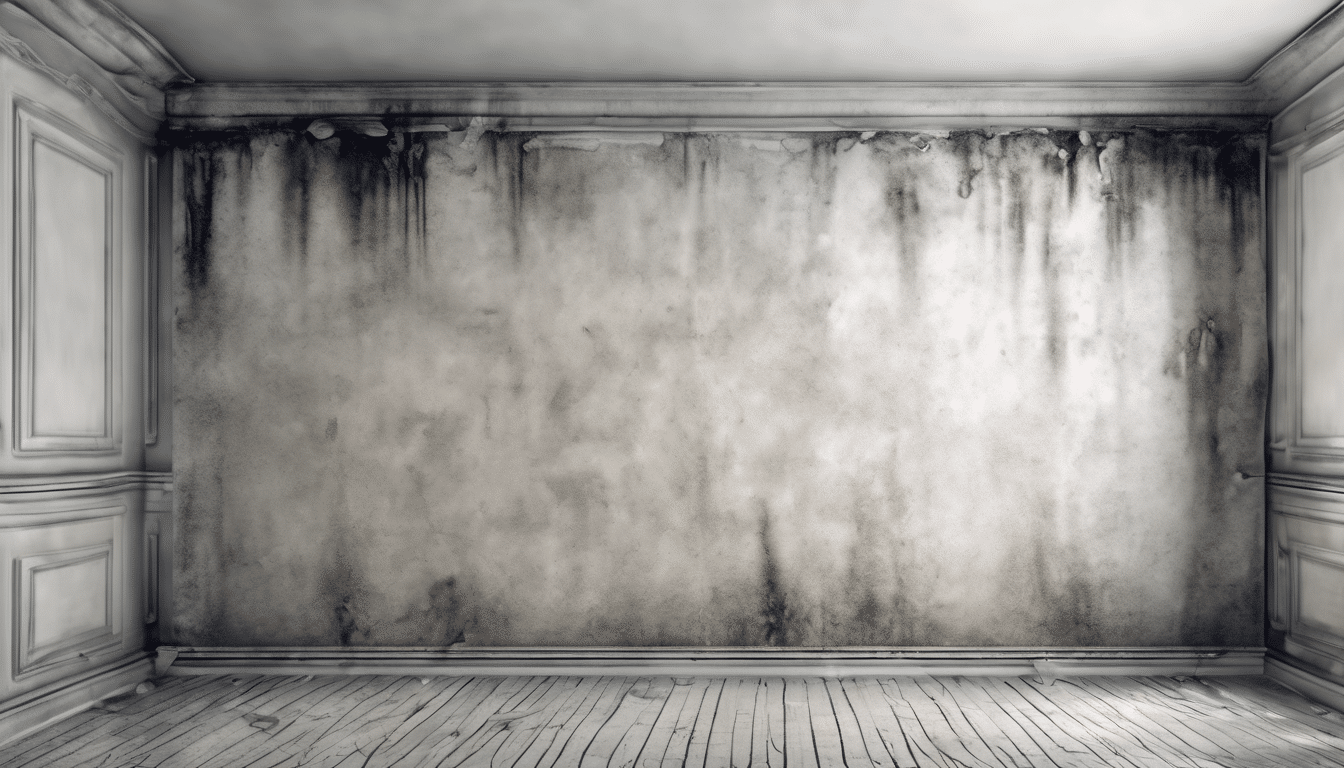
Understanding Hidden Mold Behind Walls: What to Do Next?
Understanding Hidden Mold Behind Walls: What To Do Next is essential. In Dubai, hidden mold behind walls can pose significant health risks due to the region’s high humidity levels. It is essential for property owners and managers to understand what to do when faced with this issue. Hidden mold growth often goes unnoticed until it becomes a serious problem, making proactive steps crucial.
Hidden Mold Behind Walls: What To Do Next – Mold Growth in Walls: Common Conditions
Mold thrives in environments where moisture levels are consistently high. In Dubai’s climate, air conditioning systems can create cold spots on walls, leading to condensation and subsequent mold growth. Additionally, water damage from leaks or poor plumbing can provide the perfect breeding ground for molds like Stachybotrys chartarum. HVAC systems might also contribute to moisture issues if not properly maintained. This relates directly to Hidden Mold Behind Walls: What To Do Next.
Wall Materials: Factors Contributing to Mold Growth
The type of wall material can influence mold growth. Gypsum board and other porous materials are particularly susceptible as they can absorb moisture over time, creating an ideal environment for fungi. In Dubai’s hot climate, these materials often retain moisture even after the initial water intrusion has been addressed.
Hidden Mold Behind Walls: What To Do Next – Prevention Strategies for Hidden Mold Behind Walls
To prevent hidden mold from developing behind walls, regular maintenance and inspection are crucial:
- Regular Inspections: Conduct thorough inspections of your home or building to identify any moisture-related issues early. This includes checking for signs of leaks in plumbing and assessing the condition of your HVAC system.
- Ventilation: Ensure proper ventilation in areas prone to high humidity, such as bathrooms and kitchens. Ventilating systems should be regularly serviced to maintain optimal performance.
- Water Damage Repair: Address any water damage immediately by repairing leaks or addressing plumbing issues promptly. Promptly drying out the area can prevent mold from taking hold.
Detection Methods and Tools
Identifying hidden mold requires a combination of visual inspection, moisture mapping, and laboratory testing:
- Vapor Meters: Use vapor meters to identify areas with high humidity levels. These tools can help pinpoint locations where mold is likely to form.
- Infrared Cameras: Infrared (IR) cameras are invaluable for detecting hidden moisture and identifying damp spots behind walls that may harbor mold.
- Mold Swab Testing: Collect samples from suspect areas using swabs, then send them to a laboratory for analysis. This can provide definitive identification of the mold species present.
Removal Procedures: What to Do Next?
Once hidden mold is identified, the next steps involve proper removal and rehabilitation:
- Containment: Establish a containment zone around the affected area using negative pressure equipment. This prevents cross-contamination during the remediation process.
- Cleaning and Drying: Thoroughly clean the contaminated area, focusing on surfaces that are likely to harbor mold spores. Use HEPA vacuums and damp cloths for this purpose. Ensure the area is completely dry before proceeding with rehabilitation.
- Mold Removal: Remove affected materials such as gypsum board or insulation. Place these items in sealed bags for proper disposal.
- Rehabilitation: Repair any structural damage and replace contaminated materials. Ensure that the new materials are mold-resistant to prevent future issues.
Rehabilitation Materials: Selecting Mold-Resistant Options
When rehabilitating walls, choose materials with built-in mold resistance. For instance, using Mold-X-treated gypsum board can provide an extra layer of protection against future contamination.
Rehabilitation Strategies for Infected Walls
After removal and rehabilitation, it’s crucial to implement strategies that prevent mold regrowth:
- Sealing Gaps: Seal any gaps or penetrations in walls that can allow moisture intrusion. This includes caulk around plumbing fixtures and electrical outlets.
- Durable Paints: Use paints with built-in mold inhibitors to reduce the risk of future contamination.
- Proper HVAC Maintenance: Ensure your HVAC system is properly maintained and that filters are regularly replaced. This can help maintain optimal indoor air quality, reducing moisture-related issues.
Post-Remediation Maintenance and Verification
Proper maintenance and verification after mold remediation are essential to ensure long-term success:
- Regular Inspections: Schedule regular inspections by a professional indoor environmental consultant. This can help catch any new issues before they become significant.
- Air Quality Testing: Conduct air quality tests periodically using spore traps or other monitoring devices to ensure that the indoor environment remains healthy and free of mold spores.
- Humidity Control: Maintain appropriate humidity levels in your home or building, ideally between 30-50%. This can be achieved through proper ventilation and dehumidification systems.
Expert Tips for Effective Mold Remediation
- Engage Professionals: Always hire experienced professionals for mold remediation. They have the tools, knowledge, and training to handle complex cases effectively.
- Follow Local Regulations: Ensure that your remediation process complies with local regulations and guidelines. This includes proper containment procedures and waste disposal methods.
- Document Everything: Keep detailed records of the remediation process, including inspection reports, test results, and photos. These documents can be invaluable for future reference and legal purposes.
FAQ: Hidden Mold Behind Walls
- Can you save the top half of drywall panels with mold?
- It depends on the extent of contamination. If only a small section is affected, it may be possible to salvage and clean the area. However, for larger areas or cases where the mold has spread deeply into the material, replacement might be necessary.
- Can Mold Growth Affect HVAC Systems?
- Mold can indeed affect HVAC systems by clogging filters and affecting air quality. Regular maintenance and proper cleaning are essential to prevent this from happening.
- How Moisture Mapping Can Prevent Future Mold Issues in Dubai Homes
- Moisture mapping helps identify hidden water damage and moisture hotspots before they lead to mold growth. By addressing these issues promptly, you can significantly reduce the risk of future contamination.
- Mycotoxin Risk Assessment for Sensitive Occupants in Dubai
- For individuals with compromised immune systems or other health concerns, a thorough mycotoxin risk assessment is crucial. This involves identifying and removing all contaminated materials to prevent exposure to harmful toxins.
Conclusion: Hidden Mold Behind Walls – What to Do Next?
Hidden mold behind walls can be a serious issue, but with the right approach, it can be effectively managed. Regular inspections, proper moisture management, and timely remediation are key to maintaining a healthy indoor environment. By following these steps, property owners and managers can prevent hidden mold growth and ensure their buildings remain safe and habitable. When considering Hidden Mold Behind Walls: What To Do Next, this becomes clear.
Remember, hidden mold is not just about cleaning; it’s about understanding the underlying conditions that allow it to grow. Taking proactive measures will help protect both your home and its occupants from health risks associated with mold exposure. Understanding Hidden Mold Behind Walls: What To Do Next is key to success in this area.