
—
TITLE—
The Ultimate Guide to CO2 Monitoring System Basics for IAQ: 5 Essential Steps You Need to Know
—
META—
Understanding the basics of CO2 monitoring systems is crucial for maintaining indoor air quality. This article covers key concepts, practical installation tips, and interpreting CO2 levels in your home.
—
EXCERPT—
Maintaining good indoor air quality (IAQ) requires continuous monitoring, especially with the increasing time spent indoors due to seasonal changes. Understanding how to effectively use a CO2 monitoring system is essential for creating healthier living environments. This article provides an in-depth look into the basics of CO2 monitoring systems, their installation, and interpreting CO2 levels.
—
CONTENT—
As seasons change, so do the environmental conditions that affect indoor air quality (IAQ). Cold weather brings more time spent indoors, leading to higher concentrations of carbon dioxide (CO2), which can have detrimental effects on health. Understanding CO2 monitoring systems is crucial for maintaining a healthy living environment. This guide covers essential steps in setting up and interpreting these systems.
Co2 Monitoring System Basics For Iaq: Choosing the Right CO2 Sensor Technology
Before setting up a CO2 monitoring system, it’s essential to choose the right sensor technology. There are two primary types of sensors: infrared (IR) and solid-state.
- Infrared Sensors: These use non-dispersive infrared (NDIR) technology, which is highly accurate but can be more expensive and require regular calibration.
- Solid-State Sensors: Also known as electrochemical or metal oxide sensors, these are generally less expensive and easier to maintain. However, their accuracy may vary depending on the ambient conditions.
The choice depends on your budget, required accuracy, and maintenance preferences. For critical applications like residential IAQ monitoring, NDIR sensors provide more reliable data. This relates directly to Co2 Monitoring System Basics For Iaq.
Co2 Monitoring System Basics For Iaq – Installing a CO2 Monitoring System in Your Home
Proper installation ensures accurate readings and effective use of the system. Follow these steps to install your CO2 monitoring system:
- Select a Location: Install the sensor away from doors, windows, and air vents where drafts can affect readings.
- Mount the Sensor: Secure it on a wall or ceiling using appropriate mounting hardware. Ensure the sensor is level for accurate measurements.
- Connect Power Supply: Most CO2 sensors are powered via a USB port, but some may require AC power. Refer to your device’s manual for specific requirements.
- Calibrate the Sensor (if necessary): Follow manufacturer instructions to calibrate the sensor if required. This step ensures accurate readings and extends the lifespan of the sensor.
- Connect to Monitoring Software: Most modern systems come with mobile apps or web-based interfaces for easy monitoring and data logging.
Regular maintenance, such as cleaning the sensor and checking connections, is crucial. These steps ensure that your system operates optimally, providing reliable CO2 measurements.
Co2 Monitoring System Basics For Iaq – Interpreting CO2 Levels and Their Impact on Health
Understanding how to interpret CO2 levels is essential for maintaining a healthy indoor environment. Here’s what you need to know:
- Normal Range: Typically, CO2 levels between 400-1000 parts per million (ppm) are considered normal.
- Comfort Zone: Levels below 800 ppm generally indicate a comfortable and healthy indoor environment. Higher levels can cause discomfort or health issues.
- Risk Factors: Continuous exposure to CO2 levels above 1500 ppm can lead to symptoms like headaches, dizziness, and fatigue. These levels are commonly found in poorly ventilated spaces during winter months when people spend more time indoors.
Regular monitoring helps identify potential issues early, allowing you to take corrective actions such as improving ventilation or adjusting HVAC settings. By understanding the impact of CO2 levels on health, you can create a safer and healthier living environment. When considering Co2 Monitoring System Basics For Iaq, this becomes clear.
Expert Tips for Effective CO2 Monitoring
To ensure effective CO2 monitoring, follow these expert tips:
- Regular Maintenance: Clean the sensor every three months to remove dust and debris that can affect accuracy.
- Proper Placement: Install sensors in areas where people spend most of their time, such as living rooms or bedrooms.
- Prompt Action: Set up alerts on your monitoring system so you can take immediate action when CO2 levels exceed safe thresholds.
- Complementary Systems: Consider combining CO2 monitors with other IAQ systems like particulate matter detectors and humidity sensors for a comprehensive approach to maintaining indoor air quality.
- Educate Family Members: Train household members on interpreting readings and taking appropriate actions, such as opening windows or increasing ventilation.
Implementing these tips will help you maintain optimal CO2 levels and create a healthier living environment for your family.
Frequently Asked Questions about CO2 Monitoring Systems
- Q1: How often should I calibrate my CO2 sensor?
- A1: Follow the manufacturer’s instructions. Typically, sensors require calibration every six months to a year.
- Q2: Can CO2 monitors detect other pollutants in addition to CO2?
- A2: Most systems focus on CO2 but may have additional sensors for measuring other pollutants like VOCs or particulate matter. Consider adding complementary sensors if needed.
- Q3: Are there specific times of the year when I should be more concerned about CO2 levels?
- A3: Cold weather and reduced ventilation during winter months can lead to higher CO2 levels, making regular monitoring especially important then.
The importance of Co2 Monitoring System Basics For Iaq is evident here.
Conclusion on the Importance of CO2 Monitoring
CO2 monitoring is a critical component of maintaining indoor air quality. By understanding the basics of CO2 sensors, proper installation techniques, and interpreting CO2 levels, you can create healthier living environments for yourself and your family. Regular maintenance and timely actions based on sensor readings ensure optimal indoor air conditions, especially during seasonal changes.
For comprehensive IAQ solutions in Dubai and other UAE cities, consider partnering with expert services that offer advanced monitoring systems and professional advice. Stay informed and proactive to safeguard the health of your loved ones.
—
TAGS—
CO2 Monitoring System Basics, Indoor Air Quality Assessment, Choosing CO2 Sensors, Installing CO2 Monitors, Interpreting CO2 Levels
—
ALT_TEXT—
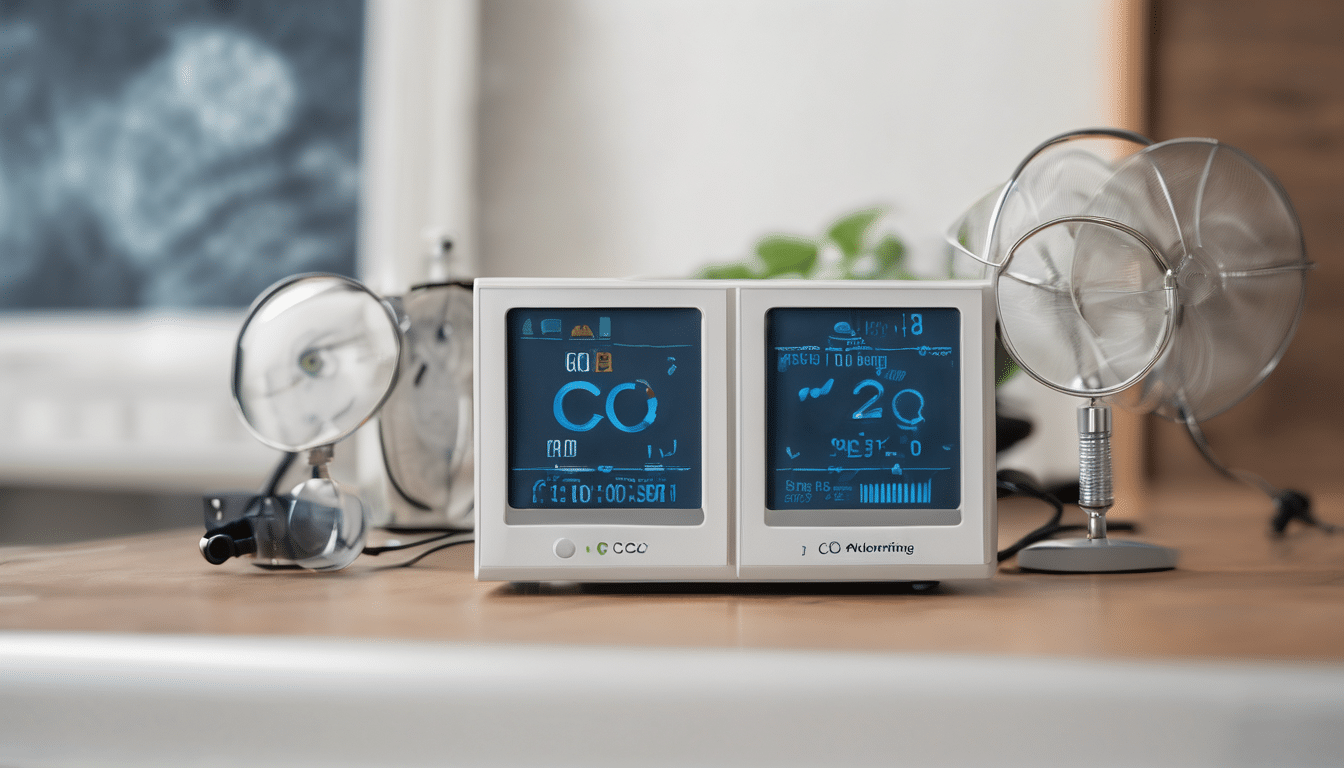
CO2 Monitoring System Basics for IAQ – Setting up a CO2 sensor in a residential living room with clear instructions on proper placement and maintenance.