
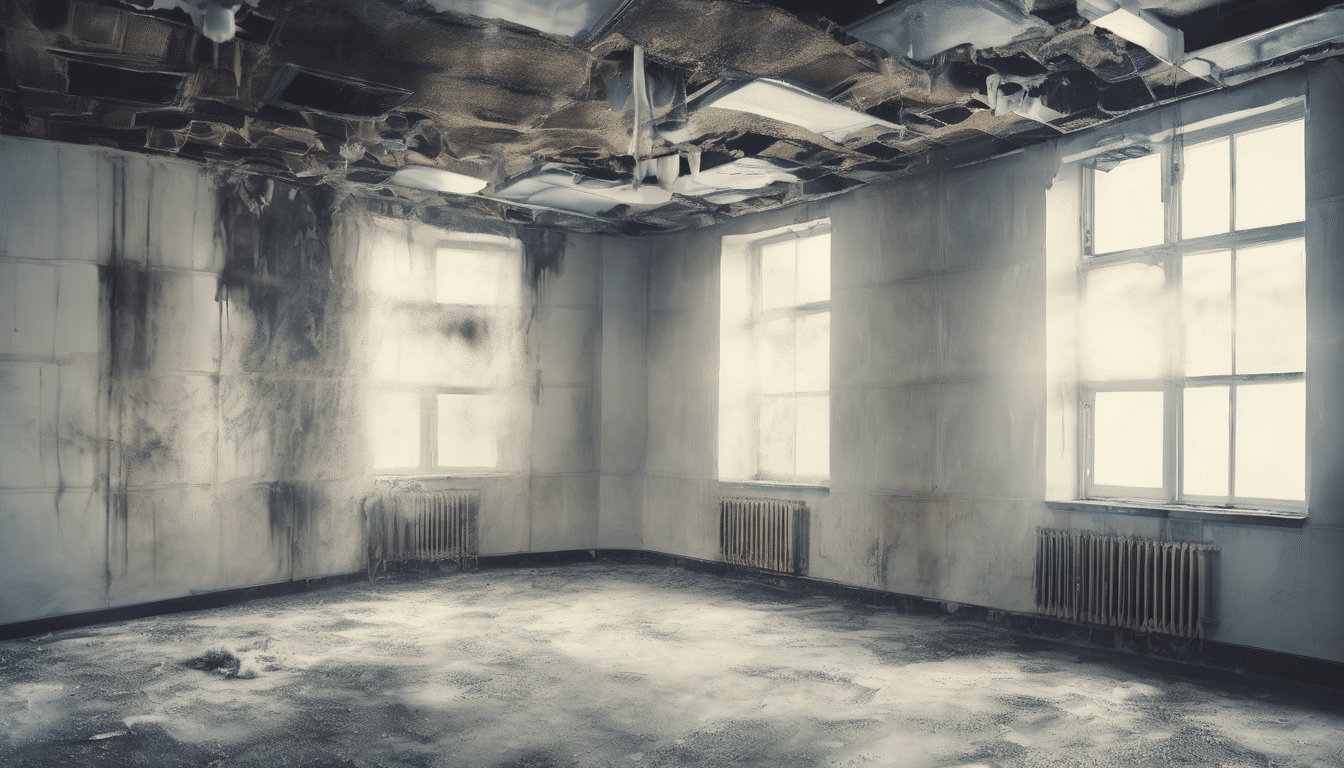
Understanding Mold Remediation in Commercial Buildings: Best Practices
Mold remediation in commercial buildings is a complex process that requires a multifaceted approach. As an indoor environmental scientist with over 12 years of experience, I have seen countless cases where traditional methods fall short. This guide aims to provide best practices for addressing mold issues effectively and sustainably. This relates directly to Mold Remediation In Commercial Buildings: Best Practices.
<h2 id="identifying-the-root-causes-of-mold-growth”>Mold Remediation In Commercial Buildings: Best Practices – Identifying the Root Causes of Mold Growth
The first step in any remediation process is understanding why mold has grown. Common causes include water damage, poor ventilation, high humidity levels, and improper building materials. In commercial buildings, hidden sources like HVAC systems and insulation can also harbor mold.
Case Study: Hidden Mold Behind Walls
A recent investigation at the Dubai Mall involved hidden mold growth behind walls due to inadequate moisture management in a poorly ventilated storage area. The use of thermal imaging allowed us to pinpoint these areas, leading to targeted remediation that addressed both visible and hidden sources.
Mold Remediation In Commercial Buildings: Best Practices – Developing a Comprehensive Remediation Plan
A well-planned approach ensures thorough cleaning while minimizing disruptions. Key elements include:
- Site assessment to identify contamination extent
- Containment strategies to protect unaffected areas
- Selection of appropriate personal protective equipment (PPE)
- Documentation for regulatory compliance and transparency
Site Assessment
A thorough site assessment should involve visual inspection, air sampling, and surface sampling to understand the scope of contamination. Laboratory analysis can provide species identification, helping tailor remediation efforts. When considering Mold Remediation In Commercial Buildings: Best Practices, this becomes clear.
Employing Scientific and Data-Driven Approaches
Scientific methods are essential for effective mold remediation. Utilizing thermal imaging, borescopes, and air sampling can provide critical data that conventional visual inspections cannot reveal.
- Thermal Imaging: Detects moisture hotspots not visible to the naked eye
- Air Sampling: Measures airborne spores for comprehensive risk assessment
- Borescope Inspections: Reveals hidden mold behind walls and ceilings
Air Quality Monitoring
Continuous air quality monitoring during remediation helps ensure that concentrations remain within safe limits. This is particularly important in office environments where occupant health must be prioritized.
Addressing Moisture Control at the Core
Moisture control is crucial for preventing mold regrowth. Common issues include poor plumbing, condensation, and inadequate ventilation systems. HVAC system inspections can uncover hidden moisture sources that contribute to ongoing contamination.
- HVAC Inspection: Identifies leaks, condensation points, and improper air distribution
- Condensation Control: Sealing gaps in windows and doors reduces indoor humidity
- Ventilation System Optimization: Ensures proper airflow to prevent moisture buildup
Ensuring Safe and Effective Containment
Containment is vital for protecting unaffected areas during remediation. Proper barriers, negative pressure systems, and HEPA filtration ensure that mold spores do not spread to other parts of the building. The importance of Mold Remediation In Commercial Buildings: Best Practices is evident here.
- Negative Pressure Setup: Prevents airborne spore dispersal
- HEPA Filtration Systems: Capture fine particles during containment breaches
- Containment Barriers: Use of plastic sheeting to isolate affected zones
Selecting Appropriate Remediation Methods
The choice of remediation method depends on the extent and nature of contamination. Surface cleaning, source removal, and antimicrobial treatments are common approaches.
- Surface Cleaning: Effective for minor to moderate contamination
- Source Removal: Necessary when mold is embedded in materials like insulation or drywall
- Antimicrobial Treatments: Used for high-risk areas where complete removal is challenging
Verifying the Success of Remediation
Verification ensures that remediation was effective and did not miss any hidden sources. Post-remediation air sampling, surface sampling, and laboratory analysis confirm successful removal.
- Air Sampling: Before and after remediation to measure spore levels
- Surface Sampling: Swab or tape lift samples for species identification
- Laboratory Analysis: Identifies any residual contamination or re-growth
Post-Remediation Monitoring and Maintenance
Regular monitoring helps maintain long-term health. Key steps include:
- Moisture Mapping: Identifies high-risk areas prone to future mold growth
- Ventilation Checks: Ensures HVAC systems are functioning optimally
- Regular Inspections: Catch issues early before they become major problems
Expert Tips for Commercial Building Mold Remediation
- Engage Professionals Early: Hire experienced indoor environmental consultants to avoid costly mistakes.
- Document Everything: Maintain comprehensive records of remediation efforts and results.
- Focus on Root Causes: Address underlying issues like poor ventilation or moisture control.
- Implement Preventive Measures: Invest in long-term solutions to prevent future mold growth.
Frequently Asked Questions (FAQs)
- Q: How do I know if a building has hidden mold?
- A: Hidden mold can be detected using thermal imaging, borescope inspections, and air sampling. These tools help uncover areas that may appear visually clean but harbor contamination.
- Q: What are the risks of improper mold remediation?
- A: Improper methods can lead to incomplete removal, regrowth, and potential health issues for occupants. Proper techniques ensure thorough cleaning and long-term protection.
- Q: How often should I monitor my building’s air quality after remediation?
- A: Regular monitoring is recommended to ensure sustained compliance with safety standards. This helps identify any early signs of recontamination.
Conclusion
Mold remediation in commercial buildings requires a thorough and systematic approach. By understanding the root causes, developing comprehensive plans, employing scientific methods, and ensuring long-term maintenance, property managers can effectively address mold issues and protect occupant health. Understanding Mold Remediation In Commercial Buildings: Best Practices is key to success in this area.