
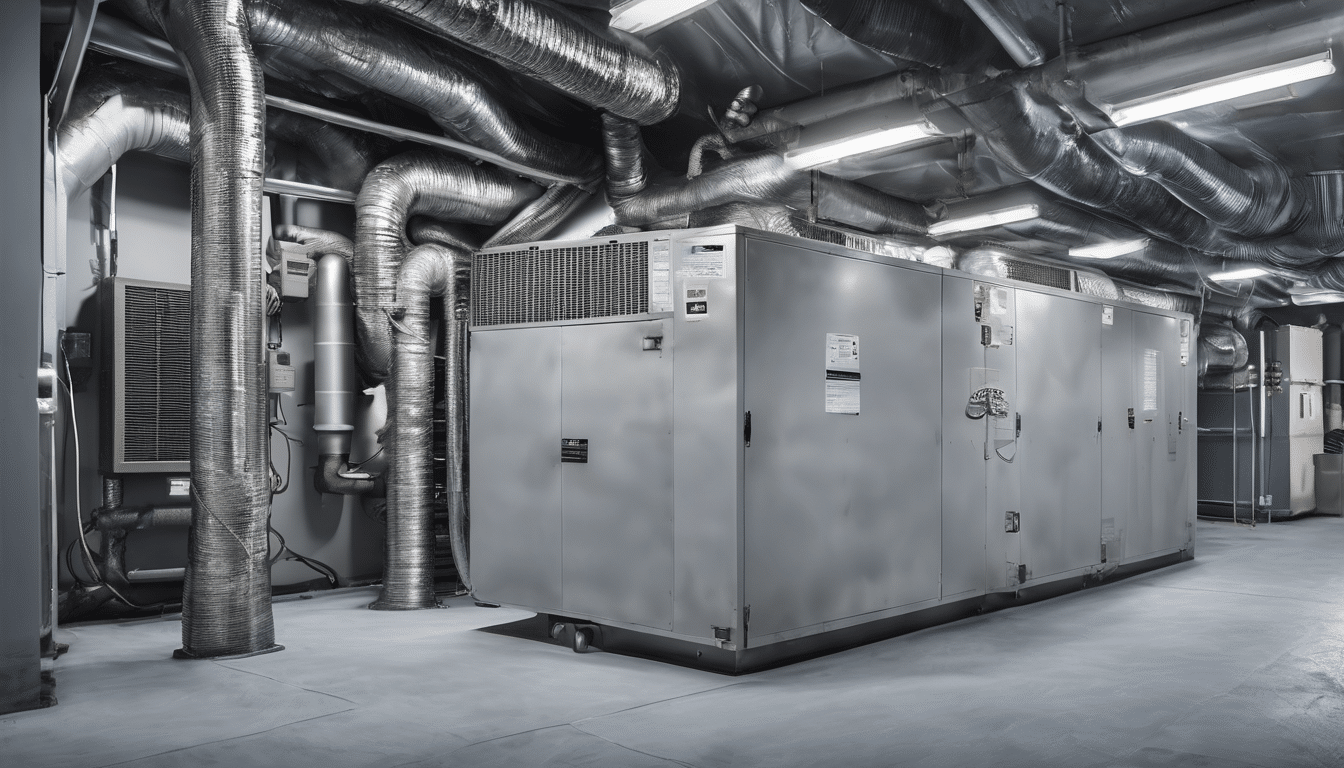
Understanding Mold Remediation Planning For Commercial Hvac Systems is essential. —
Understanding Mold Remediation Planning for Commercial HVAC Systems
Mold remediation planning for commercial HVAC systems is crucial to ensure the long-term health and functionality of a building. Mold thrives in moist environments, making HVAC systems prime targets. Effective planning involves understanding the unique challenges faced by these systems and implementing comprehensive strategies.
The Role of HVAC Systems in Mold Growth
Commercial HVAC systems circulate air throughout a building, potentially spreading mold spores. Proper planning must address the role of these systems in both creating and mitigating mold growth. Understanding how moisture and airflow interact is key to preventing issues.
Mold Remediation Planning For Commercial Hvac Systems – Hidden Mold Detection Strategies in Commercial Buildings
Commercial HVAC systems can harbor hidden mold, which can be difficult to detect visually. Advanced detection methods are essential for ensuring thorough remediation.
Thermal Imaging for Hidden Mold
Using thermal imaging cameras can reveal areas of moisture that may indicate hidden mold growth. This non-invasive method is particularly useful in identifying problematic spots where mold may be growing behind walls or within HVAC components.
Moisture Control Techniques for Preventing Mold Growth
Effective moisture control is the cornerstone of successful mold remediation planning. Strategies include regular maintenance, proper insulation, and dehumidification to reduce moisture levels.
Maintaining HVAC Systems for Moisture Control
Regular cleaning and inspection of HVAC components can prevent water leaks and ensure optimal airflow. Proper insulation in ductwork and conditioned spaces helps maintain consistent temperatures, reducing condensation.
Root-Cause Analysis of Recurring Mold Problems in Commercial HVAC Systems
Identifying the root cause is essential for preventing future mold issues. This involves a detailed analysis of building systems and occupant behavior.
Investigating Ductwork and Air Handler Compartments
Detailed inspections can uncover hidden moisture sources, such as improperly sealed ducts or air handlers with water leaks. Addressing these issues directly impacts the overall health of the HVAC system.
Comparing Different Planning Strategies for Commercial HVAC Systems
There are several planning strategies to consider when addressing mold in commercial HVAC systems. Each has its pros and cons, making it important to choose the most appropriate approach based on specific circumstances.
Surface Cleaning vs Source Removal
Surface cleaning: This involves physically removing mold from surfaces using a variety of methods. While effective for visible mold, it does not address the underlying moisture issues that may continue to promote growth.
Source removal: Identifies and removes the source of moisture or mold, addressing the root cause directly. This is more comprehensive but requires more extensive investigations.
Verdict and Recommendations for Mold Remediation Planning
The most effective approach to mold remediation planning for commercial HVAC systems involves a combination of hidden mold detection, moisture control techniques, and root-cause analysis. This holistic strategy ensures long-term success.
The Role of Laboratory Testing
Lab testing can confirm the presence of harmful microorganisms and provide species identification, guiding remediation efforts with scientific precision.
Expert Tips for Effective Mold Management
Here are some practical tips to help manage mold in commercial HVAC systems effectively:
- Regular Inspections: Conduct routine inspections of your HVAC system to identify potential issues early.
- Proper Duct Sealing: Seal ductwork to prevent leaks and ensure efficient airflow, reducing moisture accumulation.
- Humidity Control: Maintain optimal humidity levels within the building to discourage mold growth.
Frequently Asked Questions About Mold in Commercial HVAC Systems
Here are answers to some common questions regarding mold in commercial HVAC systems:
- Q: How often should I inspect my HVAC system for hidden mold?
- A: Inspections should be conducted at least twice a year, or more frequently if moisture issues are suspected.
- Q: Can mold in the HVAC system affect occupant health?
- A: Yes, exposure to mold spores can lead to respiratory issues and other health problems. Regular testing and remediation are crucial.
Conclusion
Mold remediation planning for commercial HVAC systems is a critical aspect of maintaining indoor air quality and occupant health. By understanding the unique challenges, implementing effective detection and prevention strategies, and addressing root causes, you can create a safer environment.
—
Understanding Mold Remediation Planning for Commercial HVAC Systems
Mold remediation planning for commercial HVAC systems is a multifaceted process aimed at ensuring the long-term health and functionality of buildings. It involves understanding the unique challenges posed by these systems, such as hidden mold growth and moisture control issues.
The Role of HVAC Systems in Mold Growth
Commercial HVAC systems play a critical role in the spread and growth of mold. They circulate air throughout a building, potentially spreading spores from one area to another. Proper planning must address how moisture and airflow interact within these systems.
Hidden Mold Detection Strategies in Commercial Buildings
Identifying hidden mold growth is crucial for effective remediation. Hidden mold can be difficult to detect visually, but advanced detection methods can reveal problematic areas.
Thermal Imaging for Hidden Mold
Thermal imaging cameras are valuable tools in detecting hidden mold growth behind walls or within HVAC components. This non-invasive method provides a clear picture of moisture levels, helping to pinpoint areas requiring attention.
Moisture Control Techniques for Preventing Mold Growth
Effective moisture control is essential in preventing mold growth. Strategies include regular maintenance, proper insulation, and dehumidification to reduce moisture levels.
Maintaining HVAC Systems for Moisture Control
Regular cleaning and inspection of HVAC components can prevent water leaks and ensure optimal airflow. Proper insulation in ductwork and conditioned spaces helps maintain consistent temperatures, reducing condensation.
Root-Cause Analysis of Recurring Mold Problems in Commercial HVAC Systems
To address recurring mold issues, it is crucial to perform a root-cause analysis. This involves detailed investigations into building systems and occupant behavior.
Investigating Ductwork and Air Handler Compartments
Detailed inspections can uncover hidden moisture sources, such as improperly sealed ducts or air handlers with water leaks. Addressing these issues directly impacts the overall health of the HVAC system.
Comparing Different Planning Strategies for Commercial HVAC Systems
Several planning strategies can be employed when addressing mold in commercial HVAC systems. Each has its pros and cons, making it important to choose the most appropriate approach based on specific circumstances.
Surface Cleaning vs Source Removal
Surface cleaning: This involves physically removing mold from surfaces using a variety of methods. While effective for visible mold, it does not address the underlying moisture issues that may continue to promote growth.
Source removal: Identifies and removes the source of moisture or mold, addressing the root cause directly. This is more comprehensive but requires more extensive investigations.
Verdict and Recommendations for Mold Remediation Planning
The most effective approach to mold remediation planning for commercial HVAC systems involves a combination of hidden mold detection, moisture control techniques, and root-cause analysis. This holistic strategy ensures long-term success.
The Role of Laboratory Testing
Lab testing can confirm the presence of harmful microorganisms and provide species identification, guiding remediation efforts with scientific precision.
Expert Tips for Effective Mold Management
- Regular Inspections: Conduct routine inspections of your HVAC system to identify potential issues early.
- Proper Duct Sealing: Seal ductwork to prevent leaks and ensure efficient airflow, reducing moisture accumulation.
- Humidity Control: Maintain optimal humidity levels within the building to discourage mold growth.
Frequently Asked Questions About Mold in Commercial HVAC Systems
- Q: How often should I inspect my HVAC system for hidden mold?
- A: Inspections should be conducted at least twice a year, or more frequently if moisture issues are suspected.
- Q: Can mold in the HVAC system affect occupant health?
- A: Yes, exposure to mold spores can lead to respiratory issues and other health problems. Regular testing and remediation are crucial.
Conclusion
Mold remediation planning for commercial HVAC systems is a critical aspect of maintaining indoor air quality and occupant health. By understanding the unique challenges, implementing effective detection and prevention strategies, and addressing root causes, you can create a safer environment.