
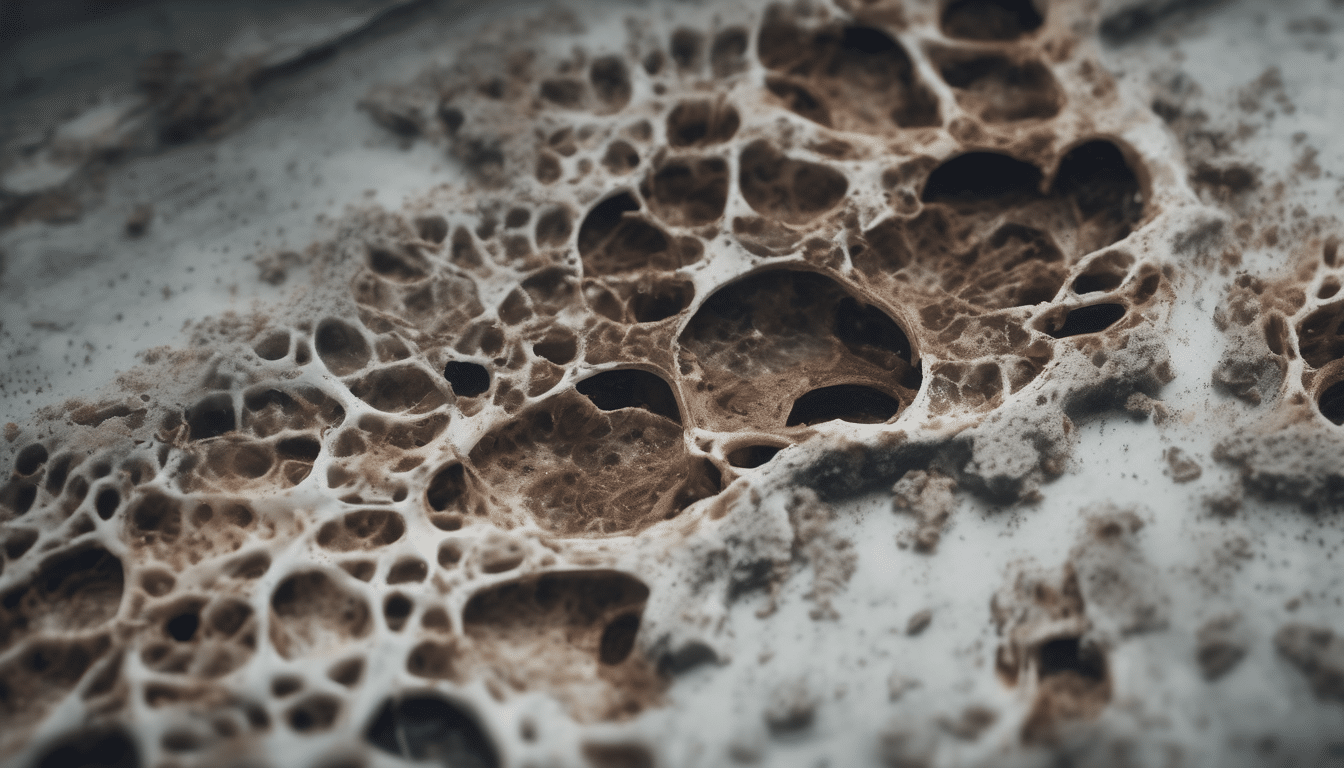
<h2 id="introduction-to-root-cause-analysis-in-mold-remediation”>Introduction to Root-Cause Analysis in Mold Remediation
Recurring mold problems can be frustrating and costly for commercial building owners. Effective remediation requires more than just treating symptoms; it demands a thorough understanding of the underlying issues causing repeated outbreaks. Root-cause analysis, often referred to as RCA, is an essential tool that helps identify the true causes behind recurring mold growth, leading to comprehensive solutions. This relates directly to Root-cause Analysis Of Recurring Mold Problems In.
Understanding Root-Cause Analysis of Recurring Mold Problems in Commercial Buildings
The root cause of recurring mold problems often lies within building systems and environmental factors. A typical approach involves examining HVAC, plumbing, structural issues, and moisture control measures. By identifying these hidden causes, remediation efforts can be more targeted and effective.
The Importance of Root-Cause Analysis
Root-cause analysis is crucial because it enables a deeper understanding of the conditions that allow mold to thrive. This approach contrasts with reactive methods, which focus on treating visible symptoms without addressing underlying issues. Proper RCA ensures that remediation efforts address the root causes, reducing the likelihood of future outbreaks.
Root-cause Analysis Of Recurring Mold Problems In – Common Causes of Recurrent Mold Growth in Commercial Buildin
Recurrent mold problems often stem from several interconnected issues. Here are some common causes to consider:
- Moisture Ingress: Leaks, flooding, and poor drainage can introduce excessive moisture into the building.
- HVAC Issues: Malfunctioning HVAC systems can lead to inadequate ventilation, condensation, and improper temperature control.
- Building Envelope Failures: Leaks, gaps in insulation, and improperly sealed joints can allow moisture into the building’s interior.
- Construction Defects: Poor construction practices can result in hidden water damage and mold growth behind walls or under floors.
Root-cause Analysis Of Recurring Mold Problems In – Indoor Environmental Diagnostic Strategies for Root-Cause An
To effectively identify the root causes of recurring mold problems, a comprehensive diagnostic strategy is necessary. This includes:
Hygrothermal Analysis
Hygrothermal analysis involves measuring temperature and humidity levels throughout the building to understand moisture dynamics. These data help pinpoint areas where moisture may be introduced or retained.
Air Quality Sampling
Sampling air quality can reveal microbial contaminants, including mold spores, providing insights into potential sources of contamination. This is often done using spore traps and air samplers.
Surface Sampling and Identification
Swabbing and tape lifting techniques allow for the collection and analysis of surface samples to identify mold species present and assess their impact on occupant health.
Case Study: Recurring Mold in an Office Building
A case study from a large office building in Dubai illustrates the importance of root-cause analysis. Initial remediation efforts were focused on visible mold growth but failed to address underlying issues such as HVAC malfunctions and inadequate drainage systems. After implementing a comprehensive diagnostic strategy, it was discovered that the HVAC system was overworking due to poor insulation, leading to excessive condensation. When considering Root-cause Analysis Of Recurring Mold Problems In, this becomes clear.
The solution involved re-insulating ductwork, optimizing ventilation settings, and addressing exterior drainage issues. This holistic approach not only resolved the current mold problem but also prevented future outbreaks.
Expert Tips for Root-Cause Analysis of Recurring Mold Problems
Here are some practical tips to enhance root-cause analysis in commercial buildings:
- Engage an Expert: Collaborate with a professional experienced in indoor environmental diagnostics and mold remediation.
- Comprehensive Diagnostics: Utilize multiple diagnostic tools, including air quality sampling and surface analysis.
- Document Everything: Maintain detailed records of all findings to track progress and identify trends.
- Implement Long-Term Monitoring: Set up a system for ongoing monitoring to ensure the problem does not recur.
Frequently Asked Questions (FAQ)
Here are answers to some common questions about root-cause analysis and recurring mold problems:
- Q: How long does a thorough root-cause analysis take?
- A comprehensive analysis can take several weeks, depending on the complexity of the building and the extent of the issues.
- Q: Can I do this myself without professional help?
- While DIY efforts are possible, they may miss critical details. Professional expertise ensures a thorough and accurate analysis.
- Q: Is it expensive to conduct a root-cause analysis?
- The cost varies but is usually justified by the long-term benefits of addressing underlying issues effectively.
Conclusion: Addressing the True Causes of Repeated Mold Issues
Recurring mold problems in commercial buildings can be complex and challenging to solve. A root-cause analysis provides a structured approach to identifying and addressing these issues, ensuring effective remediation and long-term success.
By understanding the true causes behind recurring mold growth, building owners can implement comprehensive solutions that prevent future outbreaks, protect occupant health, and preserve property value. Understanding Root-cause Analysis Of Recurring Mold Problems In is key to success in this area.