
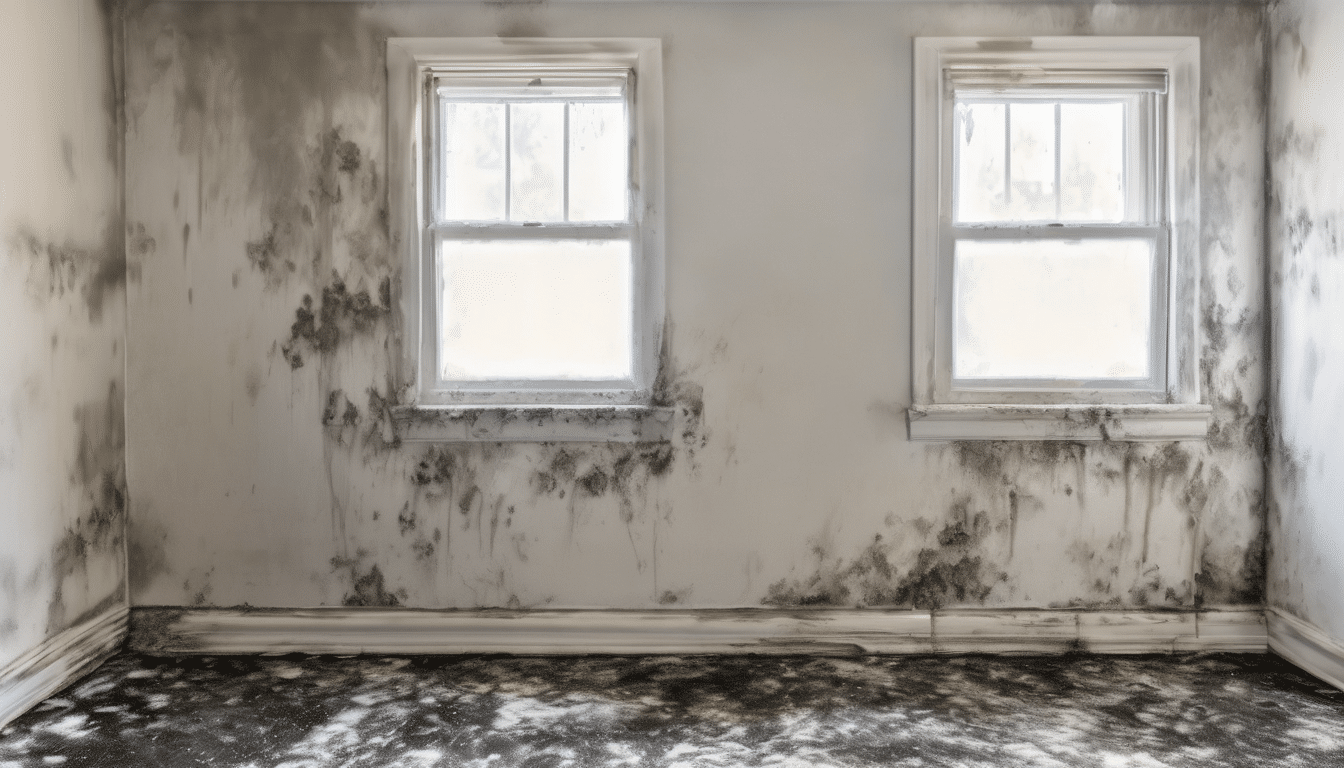
Understanding Mold Remediation Protocols for Water-Damaged Rental Units
Mold remediation protocols are critical for maintaining the health of water-damaged rental units. In this article, we will explore the key steps and strategies to effectively address mold growth in these environments. As a property manager or landlord, it is essential to understand why hidden moisture and poor ventilation can lead to mold proliferation, and how proper procedures can prevent future issues. This relates directly to Mold Remediation Protocols For Water-damaged Rental Units.
Water-damaged rental units often become breeding grounds for mold due to improper water management, inadequate ventilation, and suboptimal building materials. This guide will provide you with the necessary knowledge to implement effective remediation strategies that protect both your property and tenants’ health.
Mold Remediation Protocols For Water-damaged Rental Units – The Problem of Mold in Rental Units
Water-damaged rental units can present a significant challenge when it comes to mold management. In Dubai, Abu Dhabi, and other UAE regions, the high humidity levels coupled with air-conditioned environments create an ideal setting for moisture accumulation and subsequent mold growth. Hidden sources of moisture, such as leaking pipes, faulty HVAC systems, or poor insulation, can go unnoticed and contribute to ongoing issues.
Understanding why mold grows in water-damaged units is crucial for addressing the root causes. Mold thrives in environments with high humidity and an available food source (such as wood, gypsum board, or carpet). The key lies in identifying these moisture sources early on to prevent extensive damage and costly remediation efforts. When considering Mold Remediation Protocols For Water-damaged Rental Units, this becomes clear.
Mold Remediation Protocols For Water-damaged Rental Units – Identifying the Sources of Moisture
To effectively manage mold in rental units, it is essential to first identify the sources of moisture. This involves a thorough inspection by trained professionals who can pinpoint hidden leaks and other water intrusion points.
Inspection Procedures
- Thermal imaging scans to detect moisture buildup behind walls and under floors.
- Borescopes for inspecting concealed areas like HVAC systems and attics.
- Air sampling to determine the presence of mold spores in the air.
- Laboratory testing for species identification and mycotoxin analysis.
By using these tools, you can ensure that all sources of moisture are identified before remediation begins. This step is critical as it prevents incomplete treatment and reduces the risk of future mold growth.
Developing a Mold Remediation Plan
Once the sources of moisture have been identified, a comprehensive remediation plan should be developed. This plan should include steps to address both visible and hidden mold, as well as long-term measures to prevent recurrence. The importance of Mold Remediation Protocols For Water-damaged Rental Units is evident here.
Contamination Control Measures
- Containment barriers to isolate affected areas during remediation.
- Negative pressure systems to contain airborne spores.
- HEPA filtration units for air purification and removal of mold particles.
Mold remediation should be carried out by certified professionals who can ensure that all contaminated materials are safely removed and disposed of. This process typically involves the following steps:
- Pre-cleaning: Surface cleaning to remove loose mold and debris.
- Containment: Setting up barriers to prevent cross-contamination.
- Mold removal: Carefully removing all mold-affected materials.
- Disinfection: Treating surfaces with appropriate antimicrobial agents.
- Drying and dehumidification: Ensuring that the area is thoroughly dried to prevent regrowth.
A thorough plan will also address underlying moisture issues, such as fixing leaks or replacing faulty HVAC components. Regular follow-up inspections are essential to ensure that all areas have been properly treated and that no hidden mold remains.
Post-Remediation Maintenance
Effective mold remediation is not just about removing the visible signs of contamination; it also involves maintaining a healthy indoor environment. Here are some key steps to ensure long-term success: Understanding Mold Remediation Protocols For Water-damaged Rental Units helps with this aspect.
- Improved ventilation: Ensuring adequate air circulation to reduce moisture levels.
- Dry and clean surfaces: Regularly cleaning and drying all areas prone to moisture accumulation.
- Inspection schedule: Establishing a routine for regular inspections to catch issues early.
- Water management systems: Installing or upgrading water management systems to prevent future leaks.
By focusing on these maintenance practices, you can significantly reduce the risk of mold recurrence and create a safer living environment for your tenants.
Expert Tips for Mold Remediation in Rental Units
- Engage certified professionals: Only use qualified mold remediation experts to ensure the job is done correctly.
- Comprehensive inspection: Conduct thorough inspections before and after remediation to identify all sources of moisture.
- Avoid quick fixes: Don’t settle for surface-level treatments that may not address underlying issues.
- Document everything: Keep detailed records of the remediation process, including inspection reports and treatment methods.
- Communicate with tenants: Inform your tenants about the remediation efforts to maintain transparency and trust.
These tips will help you navigate the complex process of mold remediation in rental units and ensure that both your property and your tenants are protected from potential health risks.
Frequently Asked Questions (FAQs)
- Q: What should I do if I suspect mold growth?
-
If you suspect mold growth, it is important to act quickly. Contact a professional indoor environmental consultant who can conduct a thorough inspection and develop an appropriate remediation plan. Mold Remediation Protocols For Water-damaged Rental Units factors into this consideration.
Q: How long does mold remediation usually take?
The duration of mold remediation varies depending on the extent of contamination and the complexity of the project. Typically, it can range from a few days to several weeks.
Q: Can I DIY mold remediation?
No, DIY mold remediation is not recommended due to potential health risks and incomplete treatment. Professional remediation ensures that all sources of contamination are addressed properly.
Conclusion
Effective mold remediation for water-damaged rental units requires a comprehensive approach that addresses both the visible signs of contamination and underlying moisture issues. By understanding the science behind mold growth, identifying hidden sources of moisture, and developing a thorough remediation plan, you can ensure long-term health and safety for your tenants and property.
Remember to engage certified professionals, maintain regular inspections, and implement proper ventilation and water management systems to prevent future mold growth. With these steps, you can protect the well-being of both your property and its occupants from hidden dangers lurking in rental units. Understanding Mold Remediation Protocols For Water-damaged Rental Units is key to success in this area.
Implementing effective strategies for water-damaged rental units is crucial to prevent mold and structural damage.