
—
Understanding How to Prevent Mold Growth on Rental Properties
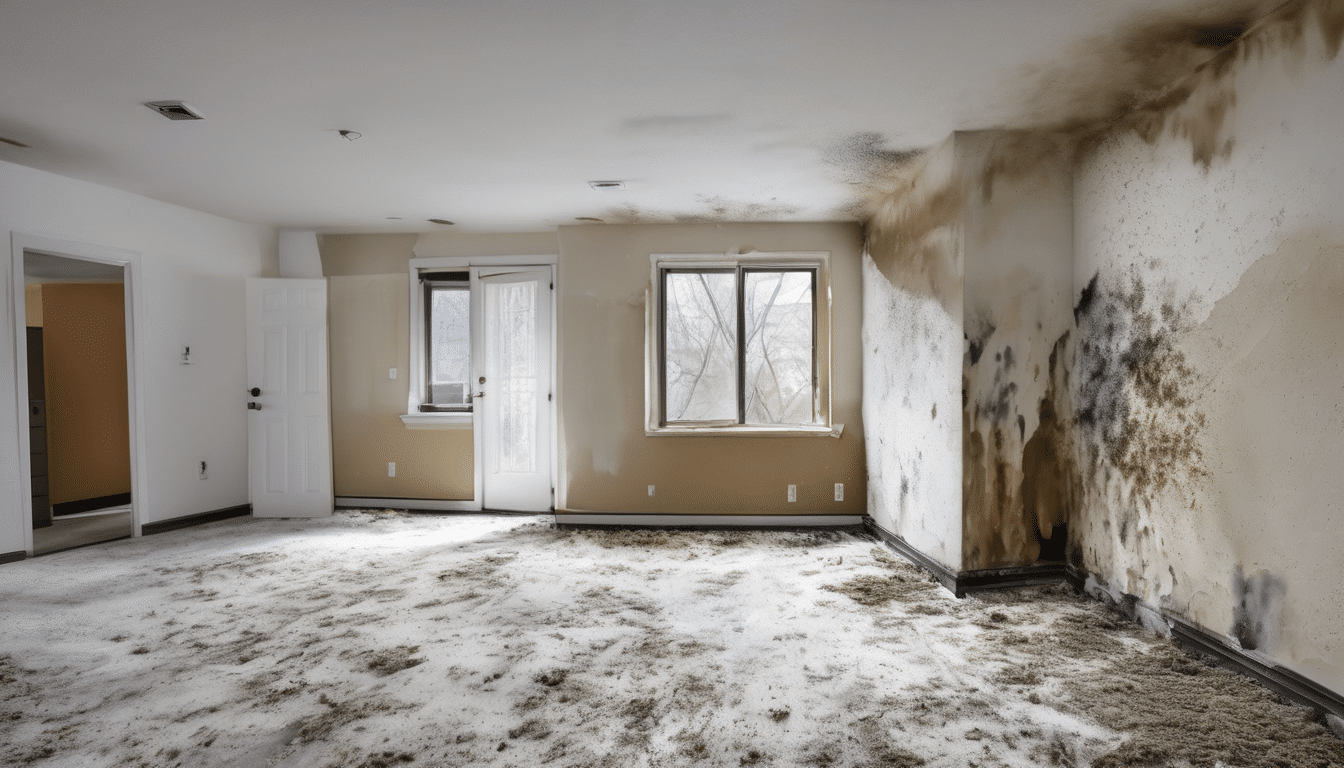
Mold growth in rental properties is a critical issue that can negatively impact both the health of tenants and the value of the property. This guide provides comprehensive strategies for preventing mold, focusing on understanding its causes, implementing effective moisture control measures, and ensuring regular maintenance checks.
Prevent Mold Growth On Rental Properties – Common Causes of Mold in Rental Properties
Mold thrives in environments with high humidity levels, standing water, or poor ventilation. In rental properties, common causes include leaky roofs, faulty plumbing, condensation issues, and inadequate HVAC systems. Understanding these factors is crucial for developing effective prevention strategies.
Leaky Roofs and Plumbing
Roof leaks can introduce moisture into walls and ceilings, leading to mold growth. Faulty plumbing pipes may also cause water damage, especially if not addressed promptly. Regular inspections are essential to identify and repair these issues before they lead to mold infestations. This relates directly to Prevent Mold Growth On Rental Properties.
Condensation Issues
High humidity levels and poor ventilation contribute significantly to condensation in rental properties. Areas prone to condensation include kitchens, bathrooms, and areas with high moisture content like laundry rooms. Proper insulation and dehumidification can help reduce these issues.
Inadequate HVAC Systems
Air conditioning units that are not properly maintained can lead to excessive humidity in the air. Poorly designed ventilation systems may also allow stale, moist air to circulate within the property, creating ideal conditions for mold growth. Regular maintenance and upgrades of HVAC systems can mitigate these risks.
Prevent Mold Growth On Rental Properties: Creating a Dry Environment
A dry environment is essential in preventing mold growth. Landlords and property managers should focus on reducing humidity levels through proper moisture control strategies and regular inspections to identify and address sources of excess moisture.
Reducing Humidity Levels
Using dehumidifiers, especially during humid seasons or in high-moisture areas like bathrooms, can significantly reduce indoor humidity. Ensuring that these devices are regularly cleaned and maintained is crucial for optimal performance. When considering Prevent Mold Growth On Rental Properties, this becomes clear.
Proper Insulation and Air Sealing
Improving insulation and air sealing around windows, doors, and other openings helps prevent drafts and reduces the risk of condensation. This approach can also improve overall energy efficiency, leading to cost savings for both landlords and tenants.
Ventilation and Air Exchange Systems
Effective ventilation systems play a critical role in maintaining a dry environment by removing stale air and introducing fresh air. Landlords should ensure that bathrooms, kitchens, and other moisture-prone areas have proper exhaust fans or vents.
Bathroom Exhaust Fans
Installing powerful bathroom exhaust fans is essential for preventing condensation in this high-moisture area. These fans should be turned on during showering and left running until the humidity levels are back to normal. Regular maintenance, including cleaning of fan filters and replacing bulbs if needed, ensures optimal performance.
Kitchen Exhaust Systems
In kitchens, range hoods equipped with powerful exhaust systems can remove excess moisture and fumes from cooking activities. Ensuring that these systems are properly installed and maintained is crucial for preventing mold growth in this area. The importance of Prevent Mold Growth On Rental Properties is evident here.
Effective Moisture Control Strategies
Implementing a comprehensive moisture control strategy involves identifying and addressing sources of excess moisture, using dehumidifiers, and maintaining proper ventilation. Regular inspections can help detect issues early, preventing mold growth before it becomes a significant problem.
Identifying Water Leaks
Regularly inspecting the property for signs of water leaks is essential. Roof penetrations, plumbing fixtures, and condensation-prone areas should be closely monitored to prevent moisture accumulation. Prompt repairs can significantly reduce the risk of mold growth.
Maintenance Checks for Landlords
Landlords should establish a routine maintenance schedule that includes checking for signs of water damage, ensuring proper insulation and air sealing, and verifying that HVAC systems are functioning optimally. These checks should be conducted at least twice a year or as needed based on weather conditions.
Maintenance Checklists for Rental Properties
A well-organized maintenance checklist ensures that landlords do not overlook critical areas when performing routine inspections. This checklist includes items such as checking for water leaks, inspecting HVAC systems, and ensuring proper insulation. Understanding Prevent Mold Growth On Rental Properties helps with this aspect.
Sample Maintenance Checklist
- Inspect roof and exterior for signs of damage or leaks
- Check plumbing fixtures for leaks or blockages
- Verify that bathroom exhaust fans are functioning properly
- Ensure that HVAC systems are clean and well-maintained
- Inspect windows, doors, and other openings for air leaks
- Check for signs of condensation in high-moisture areas
Professional Inspections and Testing
While regular maintenance checks are crucial, professional inspections provide a more thorough evaluation of the property’s health. Mold testing can help identify hidden contamination and inform remediation efforts if necessary.
Mold Testing Protocols
Using laboratory-confirmed mold testing methods ensures accurate identification of contaminants. This process involves collecting samples from suspect areas, analyzing them in a certified lab, and providing detailed reports to landlords or property managers.
Training Landlords and Tenants
Training both landlords and tenants on mold prevention practices is essential for maintaining a healthy indoor environment. Providing clear guidelines and resources can empower occupants to take proactive steps in preventing mold growth.
Tenant Education Materials
- Distributing brochures or handouts on proper cleaning techniques
- Hosting workshops or seminars on mold prevention practices
- Providing contact information for professional mold remediation services
Case Study of a Preventive Mold Strategy
A landlord in Dubai implemented a comprehensive mold prevention strategy that included regular maintenance checks, professional inspections, and tenant education. By addressing potential issues early and educating tenants on proper practices, the landlord successfully prevented multiple instances of mold growth over several years. Prevent Mold Growth On Rental Properties factors into this consideration.
Lessons Learned from the Case Study
- Regular inspections are crucial for identifying and addressing issues before they become serious
- Professional mold testing provides valuable insights into the health of the property
- Tenant education is essential in promoting a culture of proactive maintenance and prevention
Expert Tips for Successful Mold Prevention
Implementing expert tips can significantly enhance mold prevention efforts. These include:
- Using dehumidifiers in high-moisture areas
- Ensuring proper ventilation through exhaust fans and HVAC systems
- Regularly inspecting for signs of water damage or leaks
- Maintaining a routine maintenance schedule
- Providing clear guidelines to tenants on mold prevention practices
Frequently Asked Questions (FAQs)
Q: How often should I inspect my rental property for signs of mold?
A: Inspections should be conducted at least twice a year, or as needed based on weather conditions. More frequent checks may be required in areas prone to high humidity.
Q: Can tenants report potential mold issues directly to me?
A: Yes, tenants should feel empowered to report any concerns they have regarding the indoor environment. Promptly addressing their reports can help prevent mold growth and ensure a healthy living space for all occupants. This relates directly to Prevent Mold Growth On Rental Properties.
Q: What are some signs that indicate high humidity levels in my property?
A: High humidity can be indicated by visible condensation on windows, walls, or other surfaces. Musty odors, peeling paint, and water stains may also suggest excess moisture.
Conclusion
Preventing mold growth in rental properties requires a multi-faceted approach that includes understanding common causes, creating a dry environment, implementing effective ventilation strategies, and maintaining regular inspections. By following the guidelines outlined in this guide, landlords can significantly reduce the risk of mold infestations and ensure a healthier living environment for tenants.
—
