
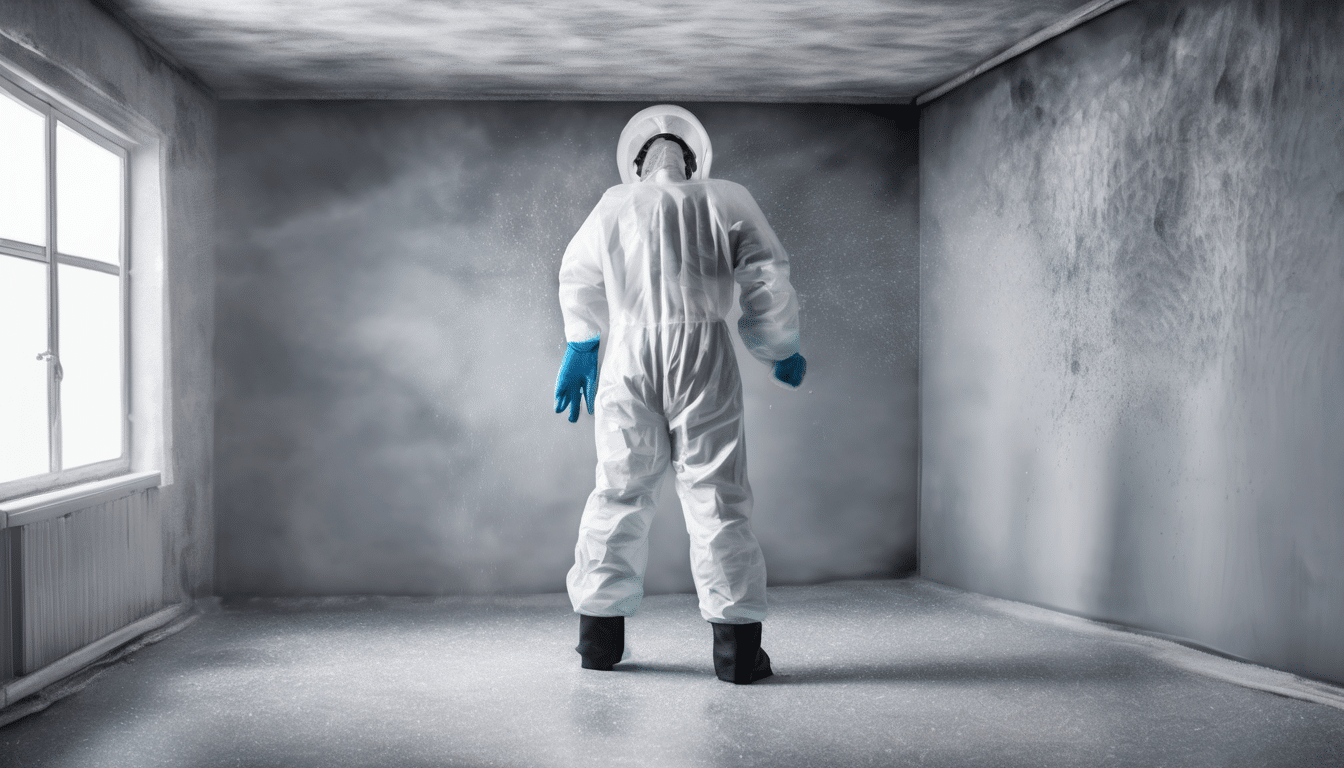
Understanding The Role of Containment in Safe Mold Removal Processes
Understanding The Role Of Containment In Safe Mold Removal Processes is essential. Containment is a vital component of any effective mold removal strategy. It involves creating a controlled environment to prevent the spread of mold spores, ensuring that the cleanup process does not exacerbate existing problems or create new ones.
The Role Of Containment In Safe Mold Removal Processes – The Benefits of Containment in Mold Removal
Containment offers several key advantages during mold remediation:
- Prevents Cross-Contamination: By keeping the affected area isolated, containment ensures that spores do not spread to other parts of the building.
- Ensures Thorough Cleanup: Proper containment allows for a meticulous removal process without disturbing the mold or releasing spores into the air.
- Safeguards Occupants: Containment protects those inside the building from exposure to harmful mold during the remediation process.
- Avoids Repeated Cleanup Efforts: Effective containment can prevent the need for multiple cleanups, saving time and resources.
Protection of Uncontaminated Areas
Containment helps maintain a clear boundary between the contaminated area and unaffected parts of the building. This is crucial to prevent mold spores from spreading through HVAC systems or via air currents.
The Role Of Containment In Safe Mold Removal Processes – How to Implement Effective Containment Strategies
Successfully implementing containment requires careful planning and execution:
- Identify the Contaminated Area: Clearly define the extent of mold growth before starting the remediation process.
- Create Physical Barriers: Use plastic sheeting, tarps, or specialized containment barriers to seal off the affected area from the rest of the building.
- Erect Containment Curtains: Install high-quality curtains or airlocks at entry points to prevent cross-contamination.
- Install Airlock Systems: For larger spaces, consider installing airlock systems that allow for controlled entry and exit during cleanup.
Negative Air Pressure and HEPA Filters
Negative air pressure and HEPA filters are integral to effective containment:
- Negative Air Pressure: This technique involves creating a slight negative pressure within the remediation area, ensuring that air flows out rather than in. This prevents spores from escaping into other areas of the building.
- HEPA Filters: High-efficiency particulate air (HEPA) filters are used to capture mold spores and other particles during the cleanup process. They can remove 99.97% of airborne particles, including those as small as 0.3 microns in size.
Why Negative Air Pressure Prevents Cross-Contamination
Negative air pressure works by creating a pressure differential that keeps air from flowing into the containment area. This is particularly important because:
- Reduces Spore Dispersion: By controlling airflow, negative air pressure minimizes the spread of mold spores.
- Prevents Air Exchange: It ensures that contaminated air stays contained within the remediation area and does not mix with clean air from other parts of the building.
How HEPA Filters Work During Mold Remediation Projects
HEPA filters are critical in maintaining a safe and clean environment during mold removal:
- Capture Spores Efficiently: HEPA filters trap mold spores, preventing them from becoming airborne.
- Air Purification: They purify the air by removing contaminants, ensuring that occupants breathe cleaner air during the remediation process.
- Prevent Cross-Contamination: HEPA filters can be used in both the containment area and throughout the building to maintain a clean environment.
Optimizing Ventilation for Long-Term Mold Prevention and Control
To ensure long-term mold prevention, it is essential to optimize ventilation:
Read more: How Hepa Filters Work During Mold Remediation Projects
Read more: Optimizing Ventilation For Long-term Mold Prevention And
- Proper Air Circulation: Ensure that the HVAC system is functioning properly to promote healthy airflow.
- Dry Areas Thoroughly: After remediation, dry all affected areas thoroughly to prevent moisture buildup and regrowth of mold.
- Regular Maintenance: Schedule regular inspections and maintenance for your ventilation systems to identify and address any issues promptly.
Expert Tips for Containment in Safe Mold Removal
To maximize the effectiveness of containment, consider these expert tips:
- Ensure Proper Fit and Sealing: Make sure that all barriers are properly fitted to avoid gaps where mold spores can escape.
- Use High-Quality Materials: Invest in high-quality plastic sheeting and HEPA filters for optimal performance.
- Monitor Air Quality: Use air quality monitors to ensure that the containment area remains safe during remediation.
Frequently Asked Questions About Containment in Mold Removal
Here are some common questions and answers about containment:
- Q: How long should I maintain the containment after mold removal?
- A: Typically, containment should remain in place until all visible signs of mold have been removed and cleaned. A final inspection should be conducted to ensure that no spores are present.
- Q: Can I reuse HEPA filters?
- A: HEPA filters can often be reused if they are not visibly damaged, but it is recommended to replace them after each use for maximum effectiveness.
- Q: What should I do if mold reappears in the containment area?
- A: If you notice any signs of mold regrowth, immediately address the issue by retreating the area and ensuring that all surfaces are thoroughly cleaned and dried.
Conclusion and Final Thoughts
Containment plays a pivotal role in safe mold removal processes. By understanding its benefits, implementing effective strategies, and using negative air pressure and HEPA filters, you can ensure that the remediation process is both efficient and protective. Understanding The Role Of Containment In Safe Mold Removal Processes is key to success in this area.