
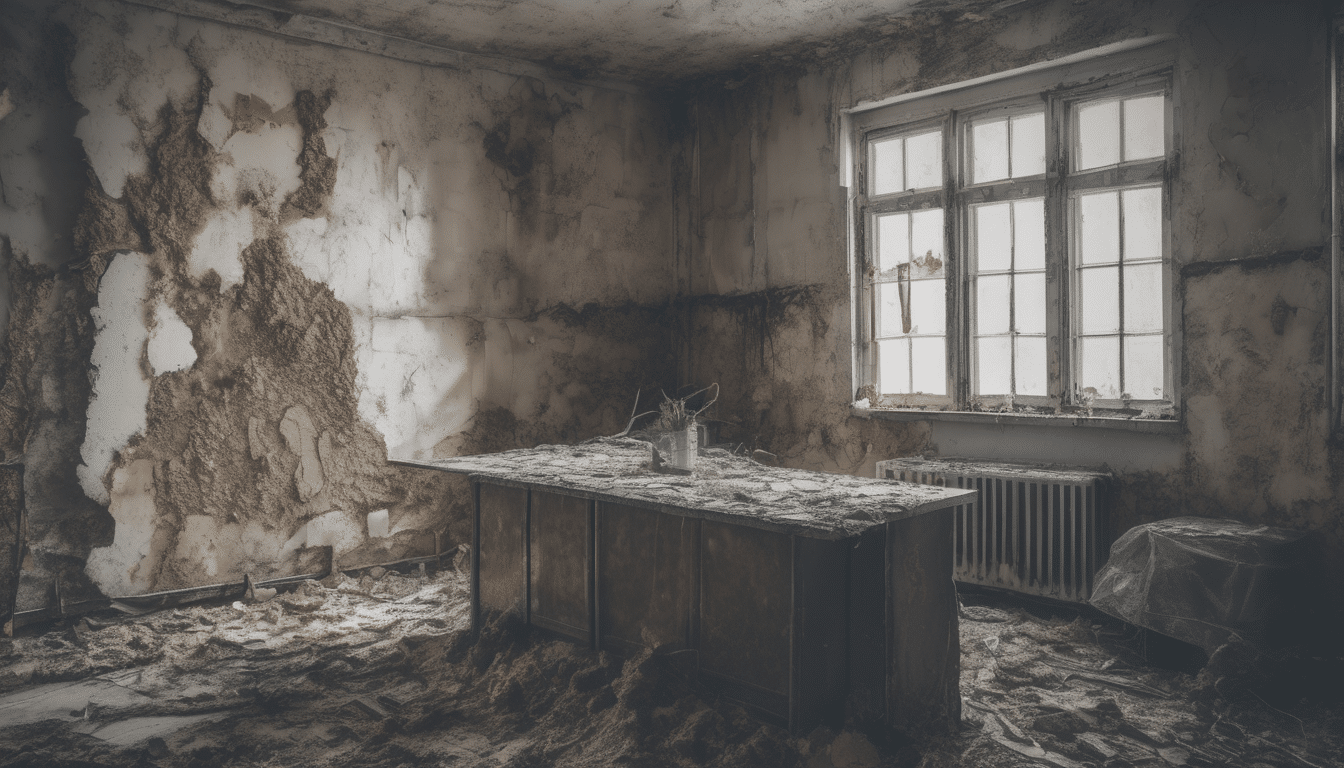
Understanding Why Post Remediation Verification Mold Assessment Is Crucial After is essential.
Post-remediation verification is a critical step in confirming that mold has been effectively removed from an indoor environment, safeguarding occupants health and preventing future issues.
Understanding Why Post Remediation Verification Mold Assessment is Crucial After
Post-remediation verification involves thoroughly assessing a property after mold remediation to ensure that the work has been completed successfully and that the indoor environment remains free from harmful molds. This process is crucial because it goes beyond the initial cleanup, addressing potential hidden sources of contamination, ensuring regulatory compliance, and verifying the long-term health outcomes for occupants.
Why Post Remediation Verification Mold Assessment Is Crucial After – Key Reasons for Post Remediation Mold Assessment
Mold remediation is not just about removing visible mold. The process must address underlying issues that can lead to future contamination. Here are the key reasons why post-remediation verification is essential:
1. Confirming Complete Mold Removal
While initial remediation may seem thorough, hidden sources of mold spores can remain behind walls, under floors, or in HVAC systems. A comprehensive post-assessment ensures that all areas have been thoroughly cleaned and disinfected.
2. Ensuring Compliance with Indoor Air Quality Guidelines
Regulatory bodies like the Environmental Protection Agency (EPA) in the US or local authorities in Dubai have specific guidelines for indoor air quality and mold remediation. Post-assessments help ensure that these standards are met, providing legal and regulatory assurance. This relates directly to Why Post Remediation Verification Mold Assessment Is Crucial After.
3. Preventing Recurring Mold Growth
Recurrent mold issues often stem from unresolved moisture problems or inadequate drying processes. A thorough post-assessment can identify these issues early, preventing future outbreaks that could harm occupants and require repeated remediation efforts.
Why Post Remediation Verification Mold Assessment Is Crucial After – The Role of Mycology in Post Remediation Assessments
Mold identification through mycological testing is essential for effective post-remediation verification. This involves collecting samples and analyzing them to determine if mold spores are still present, ensuring that no harmful species have been missed.
1. Sample Collection and Analysis
Using advanced techniques such as surface swabs, air sampling, or tape lifts, mycological experts can detect even trace amounts of mold spores. These samples are then analyzed in a laboratory to identify the presence and species of any residual mold.
2. Species Identification
Identifying the specific type of mold is crucial because different species have varying health impacts. For example, Stachybotrys chartarum (black mold) can be particularly dangerous and requires targeted remediation measures.
Post-Assessment Tools and Techniques
To ensure a comprehensive post-remediation verification process, various tools and techniques are employed. These include:
1. Thermal Imaging
Thermal imaging can detect moisture hotspots that may indicate hidden mold growth behind walls or in HVAC systems. This non-invasive technique helps identify areas that need further investigation. When considering Why Post Remediation Verification Mold Assessment Is Crucial After, this becomes clear.
2. Borescope Inspection
A borescope allows direct visualization of concealed spaces, such as wall cavities or under floors. This tool is invaluable for identifying and addressing hidden mold growth that may have been overlooked during the initial remediation.
3. Hygrothermal Mapping
Hygrothermal mapping involves measuring moisture levels throughout a building to identify areas with excessive humidity or condensation. This helps pinpoint potential sources of mold growth and ensures that drying processes are effective.
The Importance of Thorough Documentation and Reporting
Post-remediation verification is not just about the physical assessment; it also involves meticulous documentation. A comprehensive report should include:
1. Assessment Findings
A detailed record of all findings, including the presence or absence of mold spores, moisture levels, and any identified issues that need further attention.
2. Recommendations for Further Action
Based on the assessment results, recommendations can be made to address any remaining concerns, such as improving ventilation or addressing structural issues that may have contributed to mold growth.
Best Practices for Post Remediation Assessments
To ensure thorough and effective post-remediation verification, follow these best practices:
1. Select a Professional Mycological Lab
Choose an independent lab with experience in indoor environmental testing to ensure unbiased results.
2. Use Advanced Testing Methods
Incorporate techniques like DNA analysis for more accurate species identification and better health risk assessment.
3. Document Every Step of the Assessment Process
A detailed record-keeping system helps track all aspects of the post-remediation verification, providing a transparent and verifiable audit trail.
Expert Tips for Effective Post Remediation Assessments
To enhance your understanding and improve the quality of post-remediation assessments, consider these expert tips:
1. Always Work with an Experienced Professional
Engage a certified indoor air consultant who specializes in mold remediation to ensure that the assessment is thorough and scientifically sound.
2. Request a Comprehensive Report
A detailed report will provide clear insights into the remediation process, any remaining issues, and steps for follow-up actions.
3. Consider Post-Assessment Scheduling
Schedule post-assessments at different intervals to monitor progress over time, especially in areas with high humidity or poor ventilation.
Frequently Asked Questions About Post Remediation Mold Assessment
-
- Q: How long after remediation should a post-assessment be conducted?
A: The optimal timing for a post-assessment varies based on the specific circumstances, but it is generally recommended to wait at least one month after remediation to ensure that all areas have dried sufficiently.
-
- Q: Can I perform my own post-remediation assessment?
A: While DIY assessments can be done, they may not provide the same level of accuracy and reliability as those conducted by professionals. For critical properties or where health concerns are high, a professional assessment is highly recommended.
-
- Q: What if the post-assessment reveals new issues?
A: If new issues are identified during the post-assessment, they should be addressed promptly to prevent further contamination. A follow-up remediation plan may need to be developed and executed by qualified professionals.
Conclusion
Post-remediation verification is a vital step in ensuring that mold remediation efforts are effective, safe, and long-lasting. By understanding the importance of this process and following best practices, property owners can safeguard their health and the well-being of occupants while avoiding future issues.
