
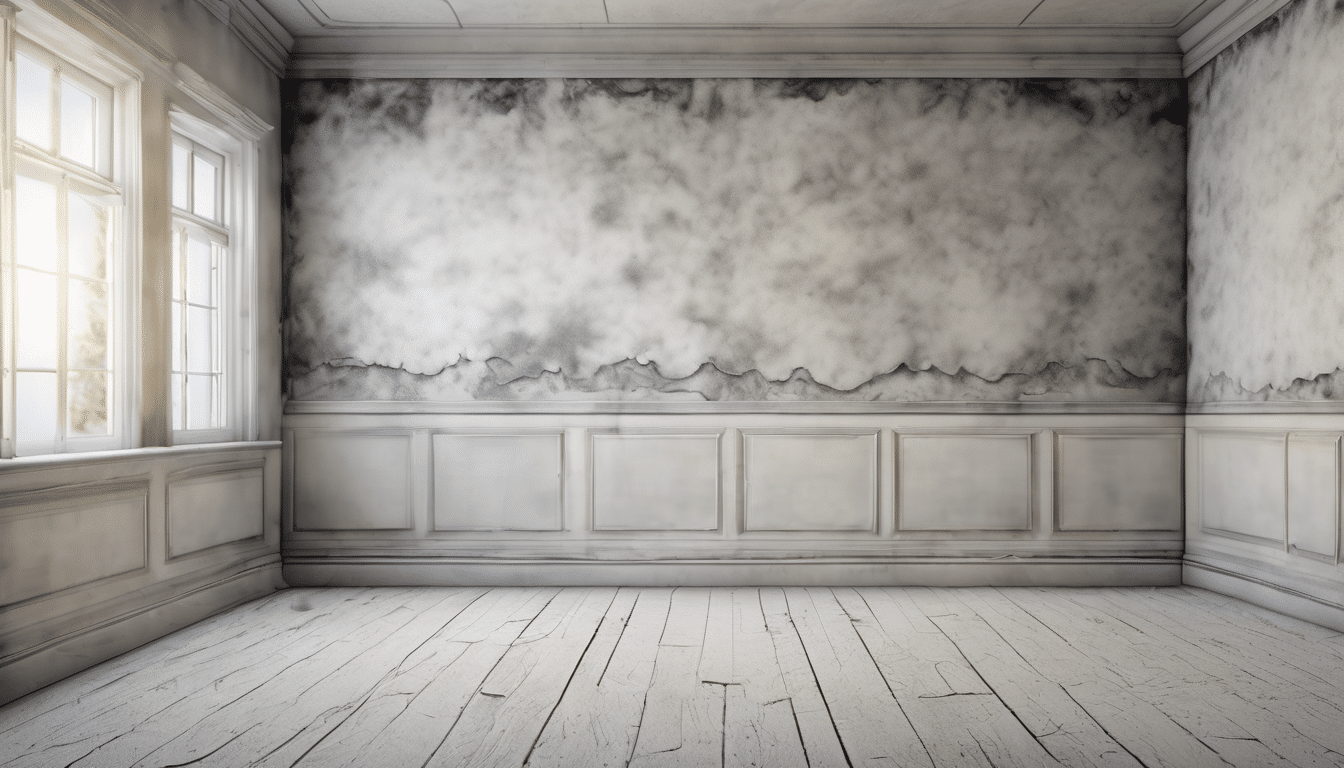
Understanding Save The Top Half Of Drywall Panels With Mold is essential.
Can You Save the Top Half of Drywall Panels With Mold?
Discovering that your drywall contains mold can be daunting, but what if you find that only the top half is affected? Can you save this portion and avoid a complete replacement? This article provides an in-depth guide to help you determine whether saving the top half of drywall panels with mold is feasible. We’ll explore the factors involved, best practices, and tips for successful remediation.
Table of Contents
Understanding Can You Save the Top Half of Drywall Panels with Mold?
When mold infests your drywall, it’s crucial to understand if saving only a portion of these panels is an option. This section explores the conditions under which the top half might be salvageable and why it matters.
Mold typically thrives in environments with moisture, warmth, and nutrients. The top half of a drywall panel may still retain some structural integrity despite being affected by mold, especially if only minor growth is present or if the contamination is superficial. However, the decision to save the top half involves evaluating several factors:
- Extent of Mold Growth: How far has the mold spread? Can you visually distinguish between clean and contaminated areas?
- Moisture Levels: Is there ongoing moisture that could continue supporting mold growth?
- Type of Mold: Certain species may be more resilient, but all molds pose health risks if left untreated.
- Material Condition: Are the affected materials still structurally sound or compromised?
To make an informed decision, it’s essential to conduct a thorough investigation. This includes moisture mapping, laboratory analysis of samples, and understanding the building’s environmental conditions that contributed to mold growth.
Factors Influencing Mold Growth on Drywall
The key to saving the top half of your drywall lies in understanding why it might still be viable. Here are some critical factors:
Moisture Content
- Water Intrusion: Leaks from plumbing, roofs, or HVAC systems can saturate materials.
- Airborne Moisture: High humidity levels and condensation in poorly ventilated areas can promote mold growth.
- Deterioration Over Time: Aging construction materials may allow moisture to penetrate deeper layers over time.
Material Quality and Condition
- Porosity: Porous materials like drywall can absorb moisture more easily, leading to faster mold growth.
- Resilience of Materials: Some types of drywall or finishes may withstand more moisture exposure without compromising structural integrity.
- Paint and Finish Integrity: The presence of paint or other protective coatings can affect how effectively mold penetrates the material.
Environmental Conditions
- Temperature Variations: Extreme temperature fluctuations can lead to condensation, fostering mold growth.
- Ventilation Levels: Insufficient air circulation can contribute to moisture buildup and provide a conducive environment for mold.
- Humidity Control: Lack of proper humidity control measures in the building can exacerbate conditions favorable to mold development.
Can You Save the Top Half of Drywall Panels with Mold? Tips for Successful Remediation
Even if you decide to attempt saving the top half, it’s crucial to follow these expert tips to ensure a successful remediation process:
1. Conduct a Comprehensive Mold Assessment
- Use thermal imaging and moisture mapping tools for accurate identification of affected areas.
- Perform laboratory analysis to identify the species of mold present, as different types may require varying remediation approaches.
2. Remove All Visible Mold
- Use a HEPA vacuum and appropriate cleaning agents before attempting any salvage work.
- Wear personal protective equipment, including gloves, masks, and goggles to prevent cross-contamination and exposure.
3. Establish Negative Pressure Techniques
- Create a negative pressure environment within the work area to contain airborne spores and reduce the risk of cross-contamination.
- Use HEPA-filtered air scrubbers to capture particles and maintain clean air conditions during remediation.
4. Apply Appropriate Sanitizers
- Select a broad-spectrum sanitizer that can effectively kill mold spores, such as chlorine-based or quaternary ammonium compounds (QACs).
- Follow manufacturer instructions for application and drying times to ensure thorough treatment.
5. Verify Mold Removal Success
- Conduct post-remediation air sampling using spore traps to confirm that the environment is free of airborne mold spores.
- Perform surface sampling (swab or tape lift) to validate that the treated areas have been thoroughly cleaned and sanitized.
6. Implement Long-Term Mold Prevention Strategies
- Address underlying moisture sources, such as leaks or condensation issues, to prevent future mold growth.
- Improve ventilation and humidity control measures in the building to maintain optimal environmental conditions.
Expert Advice for Saving Damaged Drywall
Based on years of experience, here are some key considerations when attempting to save damaged drywall:
- Initial Inspection: Always begin with a thorough inspection using thermal imaging and moisture mapping tools. This helps identify areas that may still be structurally sound.
- Mold Species Identification: Understanding the species of mold present is crucial, as some are more resilient to remediation efforts than others.
- Environmental Analysis: Analyze the building’s environmental conditions to determine if they can support mold growth. Address these factors before attempting any salvage work.
- Professional Guidance: Engage a professional indoor environmental consultant who can provide expert guidance and ensure that all steps are followed correctly.
Case Studies of Saved Top Half of Drywall Panels
To illustrate the feasibility of saving top half drywall panels, we present two case studies:
Case Study 1: Retrofit of a Conventional Apartment Building
- Background: A conventional apartment building in Dubai experienced mold growth due to poor ventilation and inadequate HVAC system.
- Action Taken: Conducted moisture mapping, identified the top half as salvageable. Implemented a comprehensive remediation plan including negative pressure techniques and long-term prevention strategies.
- Outcome: Successful mold removal without full replacement of drywall panels. Occupants reported improved indoor air quality and reduced health concerns.
Case Study 2: Mold Growth in a High-Rise Office Building
- Background: A high-rise office building in Abu Dhabi experienced mold growth due to water leakage from the roof.
- Action Taken: Identified and treated the top half of affected drywall panels. Addressed underlying moisture issues through improved ventilation and sealing leaks.
- Outcome: Mold was successfully removed, and occupants reported no health issues post-remediation. The building’s overall structural integrity remained intact.
FAQ on Saving Damaged Drywall
Here are some frequently asked questions to help clarify the process of saving damaged drywall:
- Q: Can all types of mold be saved with only top half salvage?
- A: No, certain species such as Stachybotrys can be more challenging. It’s best to consult an expert for accurate assessment.
- Q: How long does the remediation process take?
- A: The time frame depends on the extent of contamination and your team’s efficiency, but expect it to take several days to weeks.
- Q: Is saving top half cost-effective compared to full replacement?
- A: It can be more cost-effective if done correctly. However, a professional evaluation is necessary to determine the best course of action based on specific circumstances.
Conclusion
Can you save the top half of drywall panels with mold? The answer depends on several factors, including the extent and type of contamination, underlying moisture issues, and environmental conditions. By conducting a thorough assessment and following expert guidance, it is possible to salvage this portion while ensuring long-term health and structural integrity.
Always prioritize safety and professional expertise when dealing with mold infestations. For complex cases or those involving multiple factors, engaging an indoor environmental consultant can provide the necessary clarity and confidence for successful remediation.