
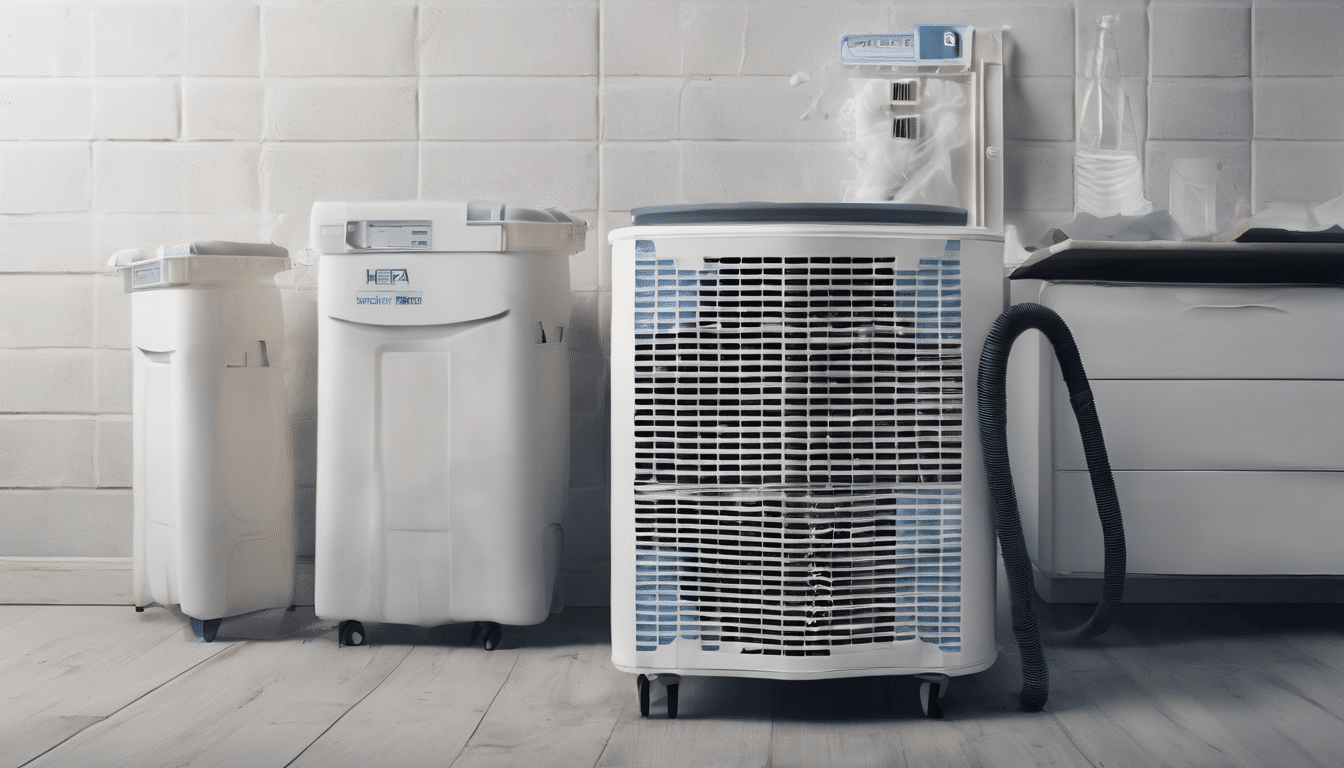
Understanding Hepa Filtration Systems For Mold Removal Containment is essential.
Understanding HEPA Filtration Systems for Mold Removal Containment
HEPA (High Efficiency Particulate Air) filtration systems are a critical component in mold removal containment strategies. These systems not only ensure that the air within the remediation area is free of harmful particles but also maintain negative pressure, which prevents contaminated air from escaping into other areas of the building.
HEPA Filtration Systems For Mold Removal Containment – Why Is Negative Pressure Important?
Negative pressure is essential in mold removal containment as it creates a barrier that stops airborne spores and contaminants from spreading to unaffected areas. This controlled environment allows for safe and efficient mold remediation, protecting both the building occupants and the professionals involved.
How to Set Up a Negative Pressure Room Properly
To set up a negative pressure room effectively, several factors must be considered. First, the room should have at least one air intake vent on the ceiling and multiple exhaust vents near the floor. The differential pressure between the inside and outside of the room is crucial; typically, this range is 0.1 to 0.2 inches of water column (in H2O). This setup ensures that clean air enters the room while contaminated air is expelled.
Controlling the Pressure Differential
The pressure differential can be controlled using various devices, such as static pressure switches or digital monitors. These tools help maintain consistent airflow and prevent breaches in containment.
HEPA Filter Sizes and Filtration Rates for Mold Removal Containment
Choosing the right HEPA filter size and filtration rate is critical for effective mold removal. Filters should be rated to capture particles as small as 0.3 microns, which is typically the size of airborne spores. For larger rooms or those with high levels of contamination, multiple filters may be required.
Filter sizes can range from 12 inches (30 cm) to 40 inches (100 cm), and filtration rates should match the room’s air volume. Typically, a 150-cubic-foot-per-minute (CFM) filter is sufficient for small rooms, while larger areas may require up to 600 CFM.
Negative Pressure Monitoring and Maintenance
Continuous monitoring of negative pressure levels is essential. This can be achieved through the use of pressure gauges or digital sensors that provide real-time data. Regular maintenance of filters, ducts, and fans ensures optimal performance and longevity.
Common Maintenance Tasks
Regularly inspecting and cleaning filters, replacing them when necessary, and checking for any leaks in the containment system are crucial steps to maintain negative pressure. This proactive approach prevents unexpected breaches that could compromise the remediation process.
HEPA Filtration Systems in Mold Remediation Training
Training professionals on the proper use and maintenance of HEPA filtration systems is vital. This includes understanding how to set up negative pressure rooms, interpret monitoring data, and perform routine maintenance tasks. Regular training sessions can help ensure that all team members are well-prepared for mold remediation projects. This relates directly to HEPA Filtration Systems For Mold Removal Containment.
Tips for Using HEPA Filtration Systems Effectively
To maximize the effectiveness of HEPA filtration systems, follow these tips:
- Ensure proper installation and sealing of filters to prevent leaks.
- Regularly inspect and clean filters according to manufacturer guidelines.
- Use multiple filters if necessary for larger rooms or high contamination levels.
- Monitor pressure differentials continuously during the remediation process.
- Implement a comprehensive containment plan, including proper sealing of doors and windows.
FAQ About HEPA Filtration Systems
Q1: How often should I replace my HEPA filters?
A1: Filters should be replaced every 6 to 12 months or as soon as they become clogged, based on the manufacturer’s recommendations.
Q2: Can a single HEPA filter handle multiple rooms?
A2: A single HEPA filter is typically designed for a specific room size. Using it in multiple rooms can dilute its effectiveness and compromise containment.
Q3: What are the signs that my HEPA filtration system needs maintenance?
A3: Signs include decreased air flow, increased noise from filters, or visible dirt accumulation on the filter surface. Regular inspection is key to identifying these issues early.
Conclusion
HEPA filtration systems play a crucial role in mold removal containment by maintaining negative pressure and filtering out harmful particles. Proper setup, regular maintenance, and training are essential for successful remediation projects. Understanding the importance of these systems can help ensure that indoor environments remain safe and healthy.