
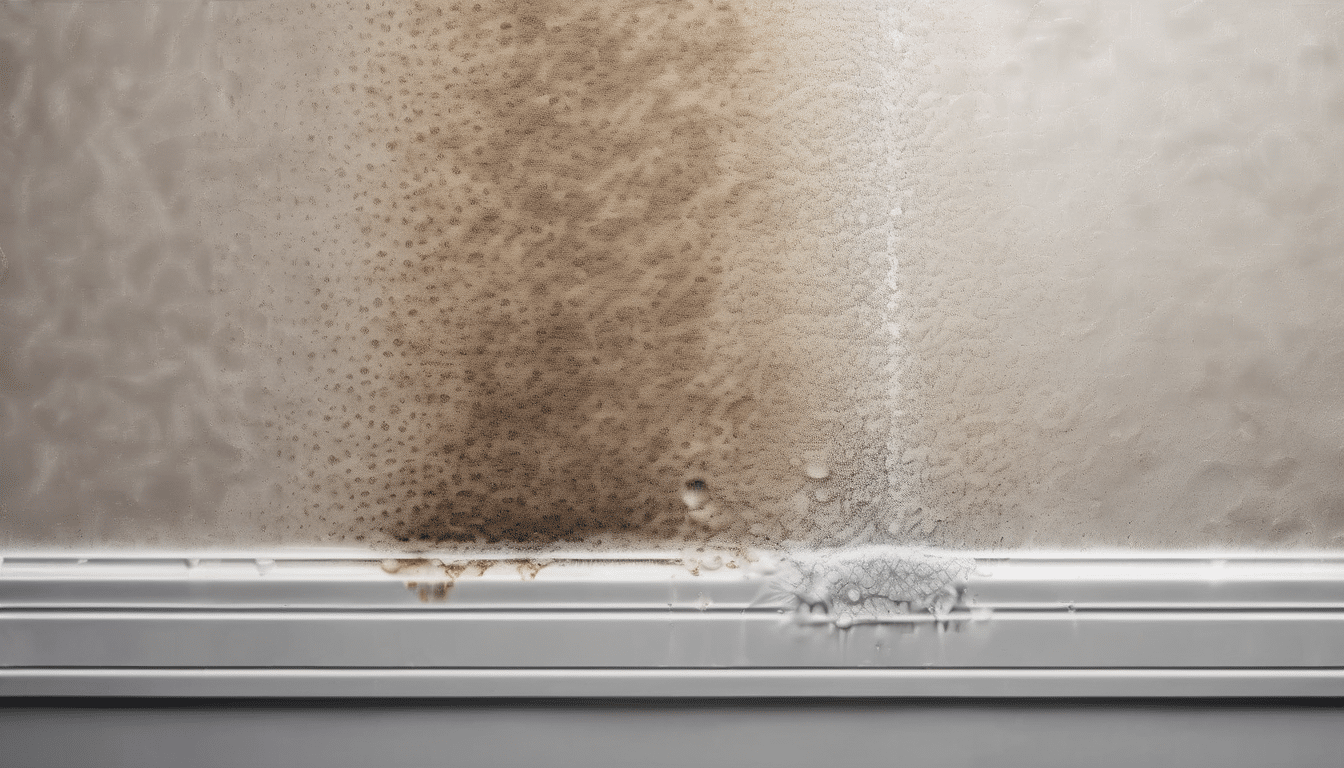
Effective Mold Removal Methods for Condensation-Driven


<br /> <a href="https://saniservice.com" target="_blank" rel="noopener noreferrer">Effective Mold Removal</a> Methods for Condensation-Driven – Comprehensive Guide for Dubai Homes<br />

Introduction to Effective Mold Removal Methods for Condensation-Driven Issues in Dubai Homes

Condensation-driven mold growth is a common issue in Dubai homes, especially during the cooler months when air conditioning units are frequently used. This phenomenon can lead to hidden moisture sources that foster mold colonies, causing not only aesthetic concerns but also potential health risks. Understanding and addressing these issues effectively requires a comprehensive approach rooted in building science and microbiology.

Effective Mold Removal Methods For Condensation-driven – Understanding Condensation-Driven Mold Growth

Mold thrives in environments where moisture and organic materials meet. In Dubai’s climate, condensation can form on cold surfaces within homes, such as windows, ductwork, or exterior walls. This moisture, when combined with building materials like wood or gypsum, creates an ideal environment for mold to grow. The key to preventing mold is identifying the root causes of excess moisture and addressing them systematically.

Diagnosing Condensation-Driven Mold

Proper diagnosis begins with a thorough investigation. This involves examining building components for signs of condensation, such as water stains or damp patches. Additionally, using tools like thermal imaging cameras can reveal hidden moisture sources behind walls and ceilings. Laboratory testing may also be necessary to confirm the presence of mold species that are prevalent in the region.

Moisture Mapping Strategies to Prevent Mold Growth

Effective moisture mapping is essential for identifying all areas at risk of condensation-driven mold. This involves using advanced technologies such as infrared cameras and hygrometers to create detailed maps of moisture distribution within the building envelope. By pinpointing these areas, targeted interventions can be implemented to mitigate moisture issues before they lead to mold growth.

Effective Mold Removal Methods for Condensation-Driven Issues

Once condensation and associated moisture have been identified, the next step is thorough mold removal. This process involves several steps:

  • Containment Design: Setting up negative pressure zones to prevent cross-contamination during remediation.
  • Surface Cleaning: Using biocides and disinfectants appropriate for the contaminated materials, such as wood or gypsum board.
  • Material Replacement: Removing and replacing severely damaged materials that cannot be effectively treated.
  • Air Filtration: Deploying HEPA filters to capture mold spores during the remediation process.

Controlling Moisture After Removal

To prevent recurrence, it’s crucial to address the underlying moisture issues. This includes:

  • Improving Ventilation: Ensuring adequate airflow to reduce humidity levels.
  • Insulation: Enhancing insulation in areas prone to condensation to maintain consistent temperatures.
  • Dehumidification: Installing dehumidifiers in high-risk areas such as basements or crawl spaces.

Expert Tips on Mold Prevention and Remediation

To effectively manage mold growth, follow these expert tips:

  1. Regular Inspections: Schedule annual inspections to catch moisture issues early.
  2. Proper HVAC Maintenance: Regularly clean and service your air conditioning systems to prevent condensation buildup.
  3. Sealing Gaps: Seal gaps around windows, doors, and plumbing to reduce drafts that can cause condensation.
  4. Professional Guidance: Engage professionals for complex mold issues to ensure thorough remediation.

Frequently Asked Questions (FAQs)

Q1: How can I tell if moisture is the cause of condensation-driven mold growth?

A1: Look for signs like water stains, damp patches, or persistent musty odors. Thermal imaging and hygrometer readings can also help identify hidden moisture sources.

Q2: Can I DIY mold removal in my home?

A2: While some basic cleaning might be possible, complex cases often require professional intervention to ensure complete remediation and prevent recurrence.

Q3: How long does it take for moisture-mapping to reveal hidden condensation issues?

A3: Depending on the building’s complexity, a thorough moisture mapping process can take several days. The goal is to identify all areas at risk of condensation-driven mold.

Conclusion

Effective mold removal methods for condensation-driven issues require a holistic approach that addresses both immediate remediation and long-term prevention. By understanding the root causes, diagnosing hidden moisture sources, and implementing targeted strategies, homeowners in Dubai can protect their indoor environments from recurring mold problems.

Introduction

Condensation-driven mold growth is a common issue in Dubai homes, especially during cooler months when air conditioning units are frequently used. This phenomenon often leads to hidden moisture sources that foster mold colonies, causing not only aesthetic concerns but also potential health risks. Understanding and addressing these issues effectively requires a comprehensive approach rooted in building science and microbiology.

Understanding Condensation-Driven Mold Growth

Mold thrives in environments where moisture and organic materials meet. In Dubai’s climate, condensation can form on cold surfaces within homes, such as windows, ductwork, or exterior walls. This moisture, when combined with building materials like wood or gypsum, creates an ideal environment for mold to grow. The key to preventing mold is identifying the root causes of excess moisture and addressing them systematically.

Diagnosing Condensation-Driven Mold

Proper diagnosis begins with a thorough investigation. This involves examining building components for signs of condensation, such as water stains or damp patches. Additionally, using tools like thermal imaging cameras can reveal hidden moisture sources behind walls and ceilings. Laboratory testing may also be necessary to confirm the presence of mold species that are prevalent in the region.

Moisture Mapping Strategies to Prevent Mold Growth

Effective moisture mapping is essential for identifying all areas at risk of condensation-driven mold. This involves using advanced technologies such as infrared cameras and hygrometers to create detailed maps of moisture distribution within the building envelope. By pinpointing these areas, targeted interventions can be implemented to mitigate moisture issues before they lead to mold growth.

Effective Mold Removal Methods for Condensation-Driven Issues

Once condensation and associated moisture have been identified, the next step is thorough mold removal. This process involves several steps:

  • Containment Design: Setting up negative pressure zones to prevent cross-contamination during remediation.
  • Surface Cleaning: Using biocides and disinfectants appropriate for the contaminated materials, such as wood or gypsum board.
  • Material Replacement: Removing and replacing severely damaged materials that cannot be effectively treated.
  • Air Filtration: Deploying HEPA filters to capture mold spores during the remediation process.

Controlling Moisture After Removal

To prevent recurrence, it’s crucial to address the underlying moisture issues. This includes:

  • Improving Ventilation: Ensuring adequate airflow to reduce humidity levels.
  • Insulation: Enhancing insulation in areas prone to condensation to maintain consistent temperatures.
  • Dehumidification: Installing dehumidifiers in high-risk areas such as basements or crawl spaces.

Expert Tips on Mold Prevention and Remediation

To effectively manage mold growth, follow these expert tips:

  1. Regular Inspections: Schedule annual inspections to catch moisture issues early.
  2. Proper HVAC Maintenance: Regularly clean and service your air conditioning systems to prevent condensation buildup.
  3. Sealing Gaps: Seal gaps around windows, doors, and plumbing to reduce drafts that can cause condensation.
  4. Professional Guidance: Engage professionals for complex mold issues to ensure thorough remediation.

Frequently Asked Questions (FAQs)

Q1: How can I tell if moisture is the cause of condensation-driven mold growth?

A1: Look for signs like water stains, damp patches, or persistent musty odors. Thermal imaging and hygrometer readings can also help identify hidden moisture sources.

Q2: Can I DIY mold removal in my home?

A2: While some basic cleaning might be possible, complex cases often require professional intervention to ensure complete remediation and prevent recurrence.

Q3: How long does it take for moisture-mapping to reveal hidden condensation issues?

A3: Depending on the building’s complexity, a thorough moisture mapping process can take several days. The goal is to identify all areas at risk of condensation-driven mold.

Conclusion

Effective mold removal methods for condensation-driven issues require a holistic approach that addresses both immediate remediation and long-term prevention. By understanding the root causes, diagnosing hidden moisture sources, and implementing targeted strategies, homeowners in Dubai can protect their indoor environments from recurring mold problems.

Effective Mold Removal Methods for Condensation-Driven - Moisture Mapping Strategies to Prevent Hidden Mold Growth

Leave a Comment

Your email address will not be published. Required fields are marked *